
Key Takeaways
- Ghana’s Sports Minister cites unresolved tax matters as the reason bonuses for the 2026 World Cup have not been paid.
- The national team exited the tournament after a 1‑0 loss to Colombia, finishing fourth in Group H.
- Clarification is pending on whether individual players or the state will shoulder the tax liability.
- Focus now shifts to the 2027 AFCON qualifiers against Côte d'Ivoire and The Gambia.
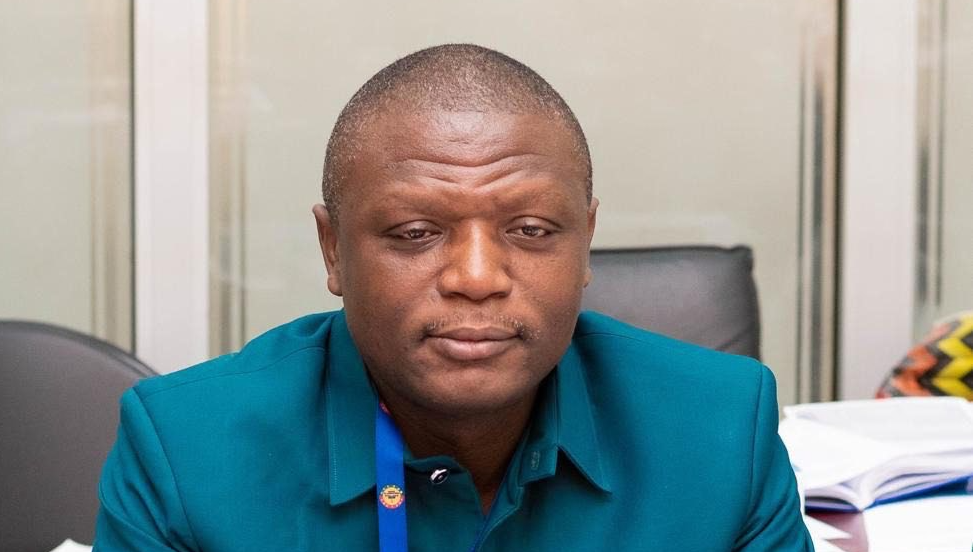
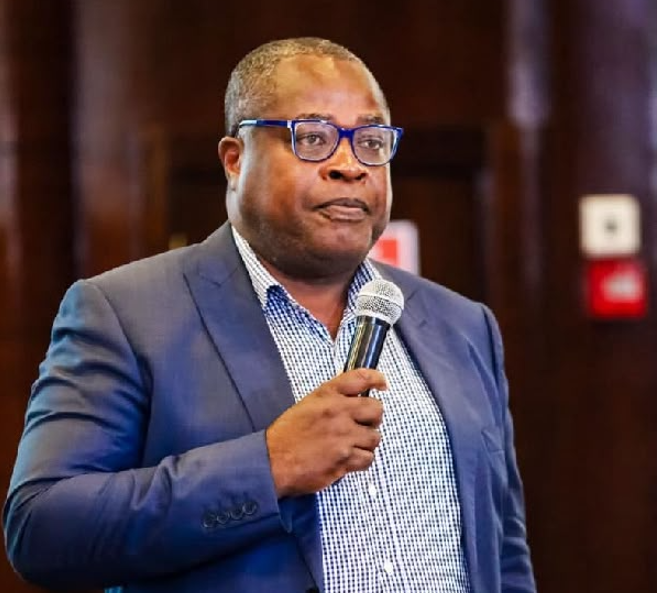
Ghana’s senior football squad, the Black Stars, concluded their 2026 FIFA World Cup campaign without receiving the performance bonuses promised by the government. Minister for Sports and Recreation Kofi Adams explained to Asempa Sports that the delay stems from a pending tax issue that must be settled before any disbursement can occur.
Adams indicated that the determination of tax responsibility—whether it rests with the players or the state—will dictate the final deduction and the release of the remaining funds. The clarification is expected shortly, but the uncertainty has already drawn public attention.
Background & Context
The Black Stars qualified for the tournament’s knockout stage, advancing to the Round of 32 before falling 1‑0 to Colombia. Their World Cup run comprised four matches, yielding a solitary victory and two defeats. The team’s performance, while commendable, fell short of the expectations set by the nation’s footballing community.
Ghanaian law requires that any earnings, including bonuses, be subject to tax withholding. In the case of national team payouts, the revenue stream typically passes through the Ministry of Sports, which must reconcile tax obligations before releasing net amounts to athletes.
Tax Complications and Payment Process
Minister Adams outlined two possible scenarios: the tax could be deducted directly from the players’ bonuses, or the government could assume the liability and remit the tax on their behalf. The decision hinges on an inter‑agency review involving the Ghana Revenue Authority and the Ministry of Finance.
Until the review concludes, the Ministry cannot authorize any payment. This procedural pause reflects broader challenges in aligning sports remuneration with fiscal policy, especially when large, one‑off bonuses intersect with standard tax codes.
Implications for Upcoming AFCON Qualifiers
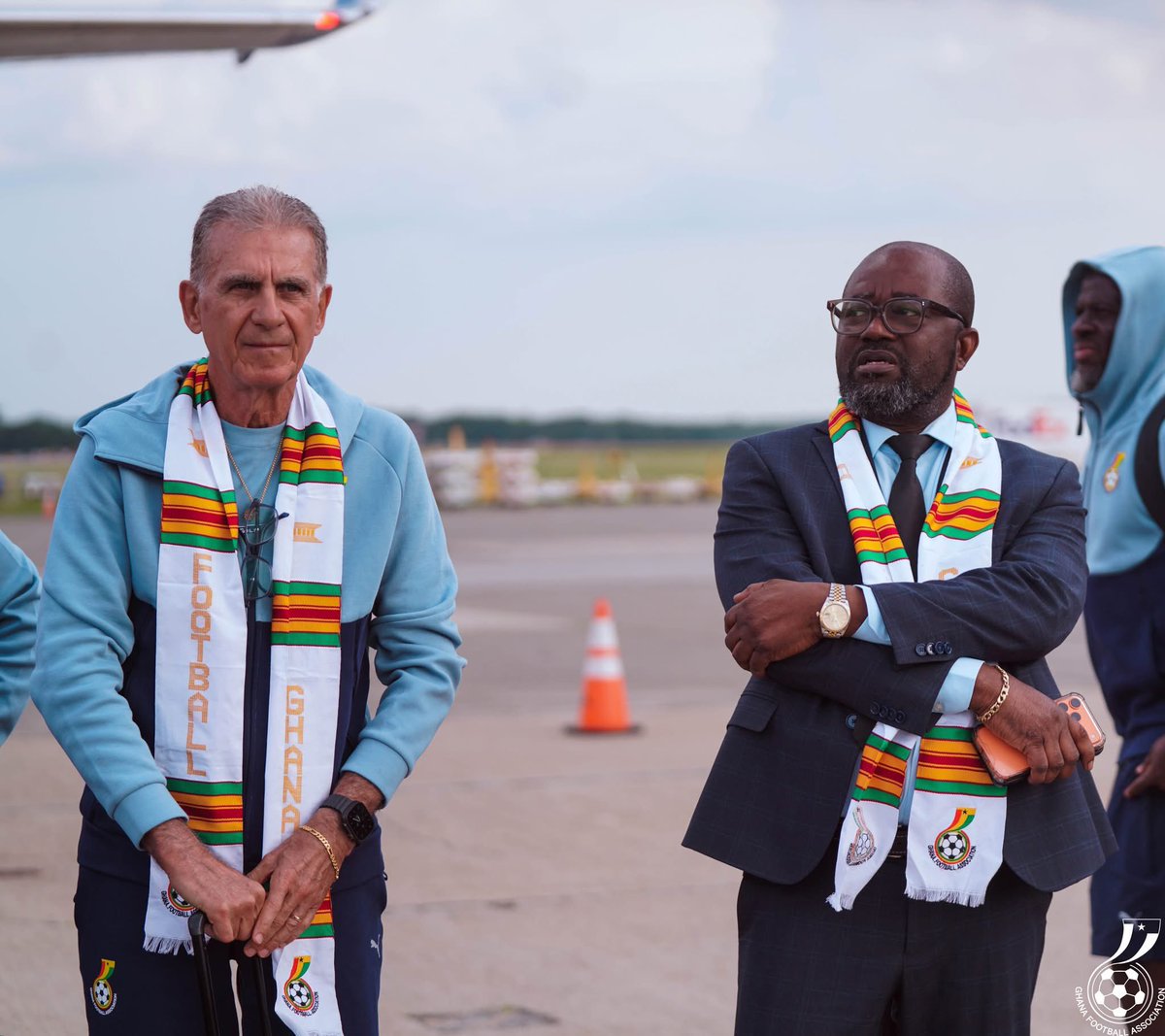
The unresolved bonus issue arrives as the Black Stars prepare for the 2027 Africa Cup of Nations qualifying window. Ghana is slated to face regional rivals Côte d'Ivoire on 24 September and The Gambia three days later. Coach Carlos Queiroz is expected to announce a squad within days, and the financial dispute could influence player morale and selection decisions.
Stakeholders argue that prompt resolution is essential to maintain confidence in the national program. A transparent approach to the tax matter may also set a precedent for future tournament payouts, reducing administrative friction for subsequent competitions.
Looking Ahead
Authorities anticipate a definitive ruling on the tax responsibility within the next fortnight. Should the state assume the tax burden, the bonuses could be released promptly, reinforcing the government’s commitment to rewarding athletic achievement. Conversely, a player‑borne tax could spark debate about the fiscal treatment of national representatives.
Regardless of the outcome, the episode underscores the need for clearer policy frameworks governing sports incentives, ensuring that administrative hurdles do not eclipse on‑field accomplishments.

0 Comments
Leave a Comment
No comments yet. Be the first to share your thoughts!