Key Takeaways
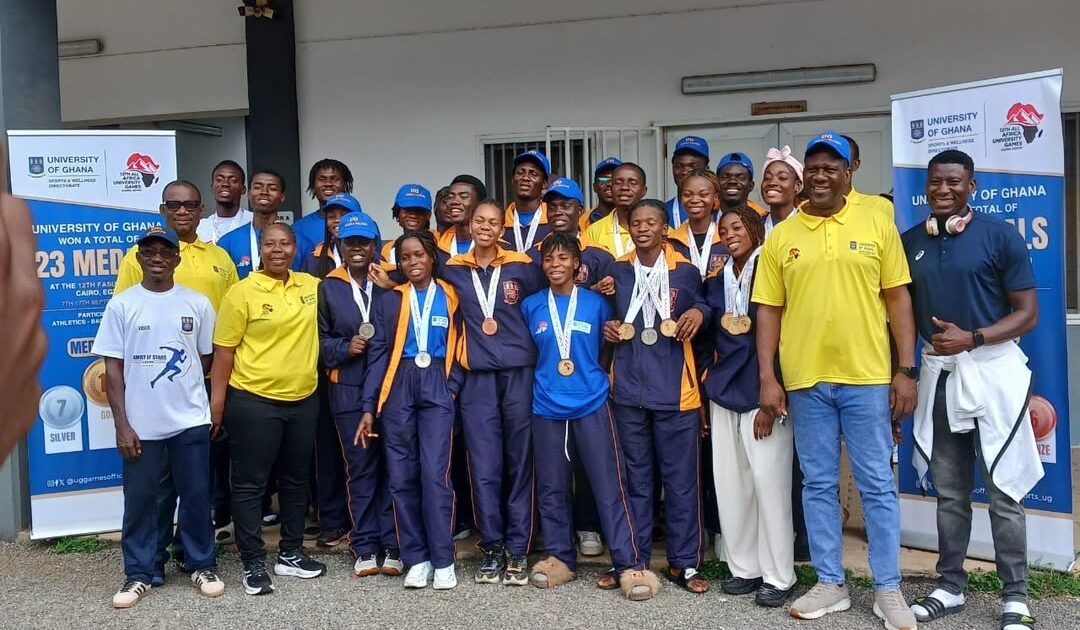
- University of Ghana secured 23 medals at the 12th Federation of African University Sports Games in Cairo, including 10 gold.
- A targeted emphasis on athletics, badminton and tennis produced the strongest medal haul in the university’s FASU history.
- Both men’s and women’s squads contributed golds, demonstrating depth across gender categories.
- Coach Mary Zambila Yahaya’s selection strategy is credited for the marked improvement over the 2022 Nairobi performance.
The University of Ghana delegation returned to Accra on Friday afternoon after a two‑week campaign at the 12th Federation of African University Sports (FASU) Games in Cairo. A reception at Kotoka International Airport highlighted the national pride attached to the athletes’ achievements.
Twenty‑three medals—ten gold, eight silver and five bronze—were captured across athletics, badminton and tennis, eclipsing the sixteen medals the university earned in Nairobi in 2022. The results signal a rising competitive standard for Ghanaian university sport on the continental stage.
Strategic Focus and Preparation
Head coach Mary Zambila Yahaya disclosed that the decision to concentrate resources on three disciplines was deliberate. By narrowing the field to events where Ghanaian athletes historically excel, the programme maximised training intensity, logistical support and talent identification. This approach mirrors successful models employed by elite national teams that prioritize medal‑rich sports in multi‑sport events.
The preparation cycle began months earlier, featuring joint training camps at the university’s sports complex and participation in regional meets. Investment in sports science—nutrition plans, biomechanical analysis for jumps and sprints, and mental conditioning—was scaled up, reflecting a broader institutional commitment to high‑performance sport.
Performance Breakdown by Discipline
In athletics, the men’s squad captured six golds, notably in the long jump, 110‑metre hurdles, 400 metres, the 4×100 metre relay, 400 metres hurdles and the 4×400 metre relay. The women’s team added three golds in the javelin, 200 metres and the 4×400 metre relay, while a mixed 400 metre medley secured the final gold. These results underscore a balanced strength in both track and field events.
Badminton and tennis contributed the remaining medals, with athletes reaching podium positions in singles and doubles categories. While golds were absent in these sports, the silver and bronze finishes illustrate expanding depth beyond athletics and suggest future opportunities for specialization.
Implications for Ghanaian University Sports
The medal surge enhances the University of Ghana’s reputation as a leading incubator of athletic talent in West Africa. It also provides a compelling case for increased funding from both governmental bodies and private sponsors, who often look to measurable success when allocating resources.
Beyond the campus, the performance reinforces Ghana’s broader sporting narrative, positioning university athletes as viable contributors to national teams for events such as the African Games and the Commonwealth Games. The visibility generated by the Cairo campaign may inspire a new generation of student‑athletes, bolstering participation rates and talent pipelines.
Looking Ahead
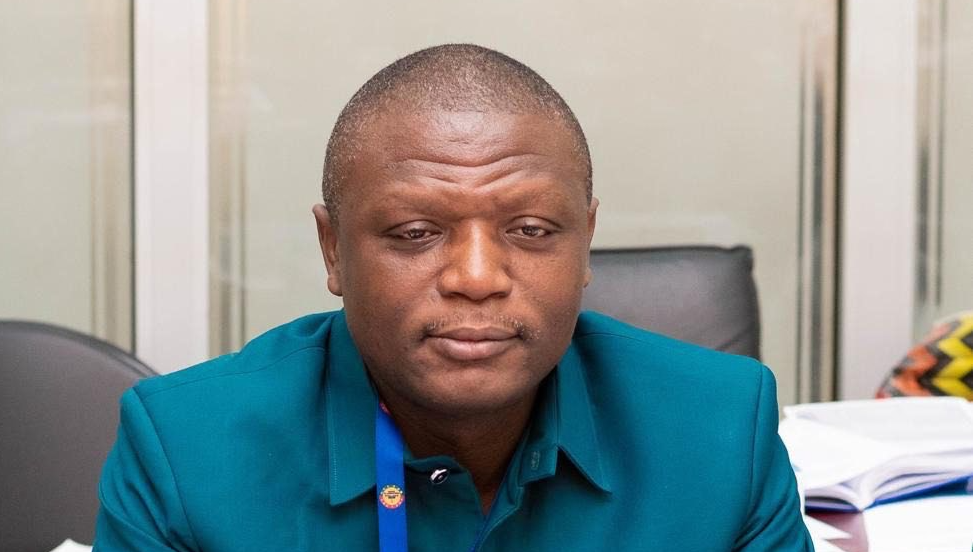
Coach Yahaya and Sports Director Dr. Austin W. Luguterah have outlined plans to sustain momentum by expanding scouting networks to secondary schools and integrating sports psychology into the curriculum. The next FASU Games, scheduled for 2025, will test the durability of the current strategy.
Continued success will depend on maintaining the synergy between academic commitments and elite training, a balance that the University of Ghana appears poised to refine as it seeks to cement its status as a continental powerhouse.


0 Comments
Leave a Comment
No comments yet. Be the first to share your thoughts!