
Key Takeaways
- US announced 50% tariffs on a $20 billion range of Canadian goods after negotiations fell apart.
- Canada will retaliate with matching duties, covering steel, dairy, appliances and electronics.
- Both leaders blame the other for last‑minute demands, raising the risk of a broader North American trade disruption.
- The standoff threatens the stability of the USMCA and could increase consumer prices on both sides.
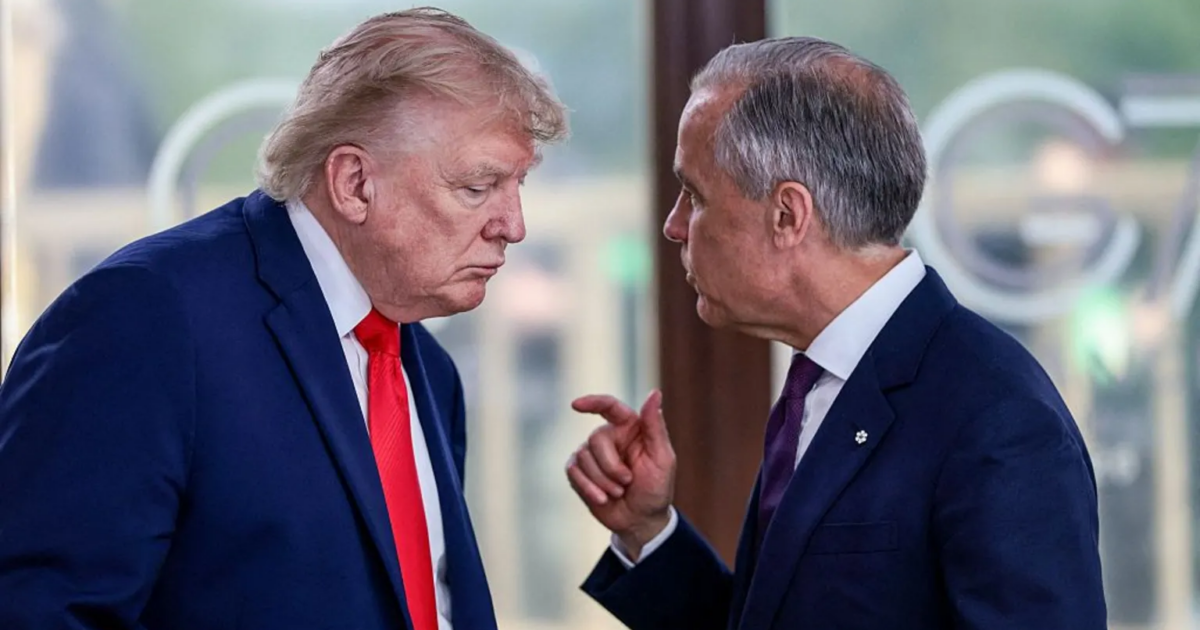
President Donald Trump declared that Canada seeks the advantages of statehood without the obligations, a statement that preceded the imposition of new 50 percent tariffs on a swath of Canadian imports. Prime Minister Mark Carney responded by pledging a dollar‑for‑dollar countermeasure, signaling the start of a reciprocal trade war.
The escalation follows weeks of stalled talks aimed at revising the United States‑Mexico‑Canada Agreement (USMCA). With both sides accusing each other of last‑minute changes, the dispute now threatens a trade relationship that underpins $1.6 trillion of annual commerce.
Background & Context
The USMCA, signed in 2020 to replace NAFTA, established a framework for tariff‑free exchange across most sectors while allowing limited protective measures. Over the past year, the United States has pressed for tighter restrictions on Canada’s ability to negotiate independent trade deals, a demand that Canadian officials have repeatedly rejected as infringing on sovereignty.
Historically, the two economies have been tightly integrated, with supply chains crossing the border multiple times daily. Previous tariff disputes, such as the 2018 steel and aluminium duties, produced modest price increases but did not derail the overall partnership. The current escalation marks the first large‑scale, reciprocal tariff regime since the original NAFTA era.
Negotiation Breakdown
US negotiators framed Canada’s proposals as “unacceptable” and “economically harmful,” citing concerns over future trade flexibility. Canadian officials countered that the United States introduced new restrictions at the eleventh hour, effectively demanding a concession that would limit Canada’s global trade options.
Both sides released public statements attributing blame to the other party. Trump characterized Canadian leaders as “foolish” for entering a trade war, while Carney described the American tariffs as a “miscalculation” intended to divide the two nations. The rhetoric intensified without any indication of a resumption of talks.
Economic and Political Implications
The 50 percent tariffs target products ranging from wine and dairy to cement and hockey equipment, representing roughly five percent of total bilateral trade. Immediate effects include higher costs for Canadian exporters and potential price spikes for American consumers who rely on these imports.
Politically, the dispute has galvanized provincial leaders across Canada. Ontario Premier Doug Ford and British Columbia Premier David Eby both warned that the U.S. demands would reduce Canada to a de‑facto “51st state.” Opposition parties have rallied behind the prime minister, framing the tariffs as an assault on national sovereignty.
Economists caution that prolonged tit‑for‑tat measures could erode confidence in the USMCA, prompting businesses to seek alternative markets and increasing supply‑chain uncertainty. The broader North American trade architecture may require renegotiation if the standoff persists.
Looking Ahead
Both governments have signaled a reluctance to re‑engage in negotiations at present. The United States trade representative indicated no immediate plans to reopen talks, while Canada pledged to release detailed counter‑tariff measures in the coming days. The trajectory of the dispute will likely depend on domestic political pressures and the willingness of each side to absorb economic fallout.
Should the tariffs remain in place, policymakers may face pressure to seek a multilateral solution through the World Trade Organization or to amend the USMCA outside the current deadlock. Stakeholders across the supply chain are monitoring the situation closely, aware that any shift could reshape the economic landscape of the continent.






0 Comments
Leave a Comment
No comments yet. Be the first to share your thoughts!