
Key Takeaways
- US President Donald Trump has paused attacks on Iran for the second consecutive night.
- The decision comes as US-Iran tensions remain high following nearly two weeks of daily strikes and tit-for-tat attacks.
- The ceasefire struck in June appears to be unraveling, with the latest development raising concerns about the conflict's escalation.
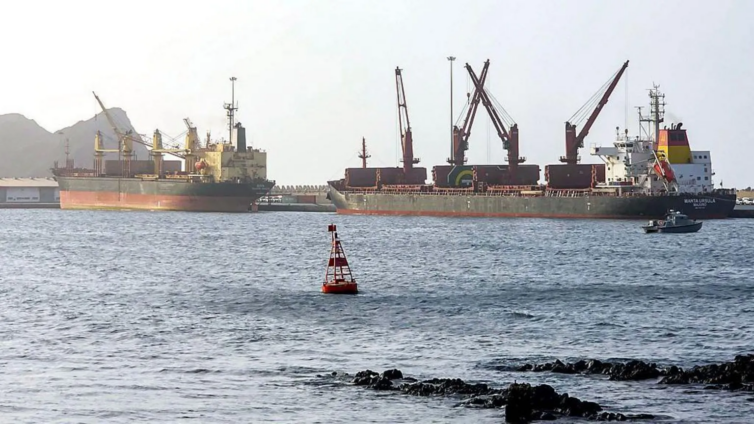
- Iran and the US have been discussing management of the Strait of Hormuz, a major chokepoint for global oil supplies.
The US-Iran conflict has been a major source of tension in the Middle East, with the two nations locked in a cycle of strikes and retaliation since February. The latest development has seen President Trump halt attacks on Iran, citing a desire to give diplomacy 'space'.
The decision follows a weekend of intense diplomatic efforts, including technical talks between Iran and Oman in Tehran. The meeting focused on the management of the Strait of Hormuz, a critical waterway for global oil supplies.
Background & Context
The US-Iran conflict has its roots in the US withdrawal from the 2015 nuclear deal in May 2018. The move was seen as a major provocation by Iran, which responded by increasing its uranium enrichment activities and threatening to block the Strait of Hormuz.
The situation escalated in February, when the US and Israel launched a joint military operation against Iranian targets in the region. The US-Iran conflict has since claimed thousands of lives across the Middle East, with the vast majority coming from Iran and Lebanon.
Key Findings
The latest ceasefire brokered in June appears to be unraveling, with the US resuming airstrikes on Iran and reinstating its naval blockade on Iranian ports. Iran responded with attacks on US military facilities and bases across the Middle East, killing four American soldiers.
The conflict has also had a significant impact on global oil markets, with prices hitting $100 a barrel for the first time since May. The renewed fighting has stoked fears over global energy supplies, with the UK's Defence Secretary Wes Streeting warning of the need to secure maritime freedom and free commercial shipping in the Strait of Hormuz.
Broader Implications
The US-Iran conflict has far-reaching implications for regional and global security. The conflict has also raised concerns about the US military's ability to conduct its campaign effectively, with some administration officials warning of a diminished stockpile of air defence munitions.
The conflict has also had a significant impact on US public opinion, with a new poll suggesting 57% of Americans are frustrated about the conflict and only 19% optimistic.
Looking Ahead
President Trump is set to meet Israeli Prime Minister Benjamin Netanyahu in the White House on Tuesday, with the two leaders expected to discuss the conflict and its implications for regional security.
The meeting comes as the US-Iran conflict nears its fifth month, with the situation remaining highly volatile. The US ambassador to the UN has warned that the president is keeping all options on the table, raising concerns about the conflict's potential escalation.






0 Comments
Leave a Comment
No comments yet. Be the first to share your thoughts!