
Key Takeaways
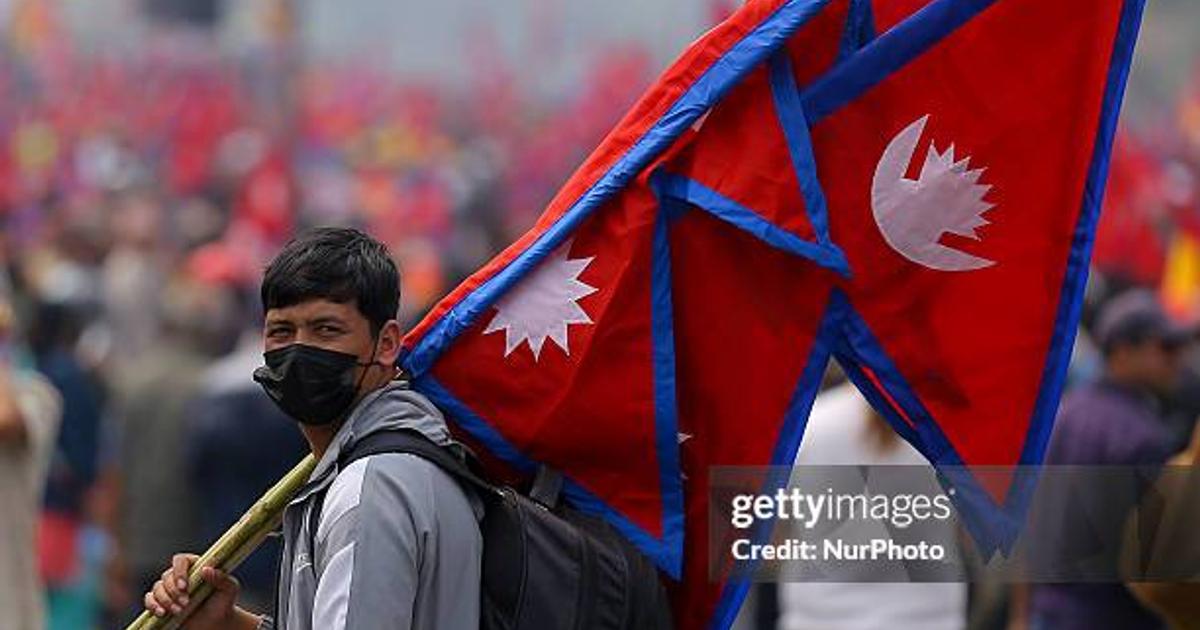
- Nepal ranks first with 35 public holidays in the world.
- The country's diverse cultural and religious festivals contribute to its high number of public holidays.
- India, with 31 public holidays, is a close second, followed by Bhutan and Pakistan.
The global distribution of public holidays varies significantly across countries, reflecting their unique cultural and historical contexts. According to the World Population Review, Nepal holds the record for the most public holidays, totaling 35 days off per year.
This phenomenon can be attributed to the country's diverse cultural and religious festivals, including Dashain, Tihar, and Buddha Jayanti. These celebrations are deeply ingrained in Nepali culture and are observed by people from various ethnic and religious backgrounds.
Background & Context
The concept of public holidays has a long history and is deeply rooted in the cultural and social fabric of societies. In many countries, public holidays provide an opportunity for people to come together and celebrate their shared heritage. However, the number and type of public holidays can vary greatly depending on the country's history, religion, and cultural traditions.
For instance, countries with a strong Christian heritage, such as the United States and the United Kingdom, often observe Christmas and Easter as public holidays. In contrast, countries with a predominantly Muslim population, such as Saudi Arabia and Indonesia, observe Eid al-Fitr and Eid al-Adha as public holidays.
Key Findings
The World Population Review's list of countries with the highest number of public holidays highlights the diversity of cultural and religious practices around the world. Nepal's position at the top of the list is a testament to the country's rich cultural heritage and its ability to balance different traditions and customs.
India, with 31 public holidays, is a close second on the list, reflecting the country's diverse cultural and religious landscape. The Indian government's decision to declare multiple public holidays for various festivals and celebrations has contributed to the country's high number of public holidays.
Broader Implications
The high number of public holidays in Nepal and other countries has significant economic and social implications. For instance, the tourism industry in Nepal benefits greatly from the country's numerous public holidays, as visitors from around the world flock to experience the country's unique festivals and celebrations.
However, the high number of public holidays can also have negative consequences, such as disrupting the country's economic productivity and impacting the daily lives of citizens. In some cases, the excessive number of public holidays can lead to a culture of dependency on government-provided holidays, rather than promoting individual initiative and productivity.
Looking Ahead
As the world becomes increasingly interconnected, the concept of public holidays is likely to undergo significant changes. With the rise of globalization and digital communication, people are no longer confined to their physical locations and can celebrate holidays remotely.
In the future, we can expect to see a shift towards more inclusive and flexible public holiday policies that accommodate the diverse needs and traditions of different cultures. This may involve the creation of new holidays or the modification of existing ones to better reflect the complexities of modern society.






0 Comments
Leave a Comment
No comments yet. Be the first to share your thoughts!