
Key Takeaways
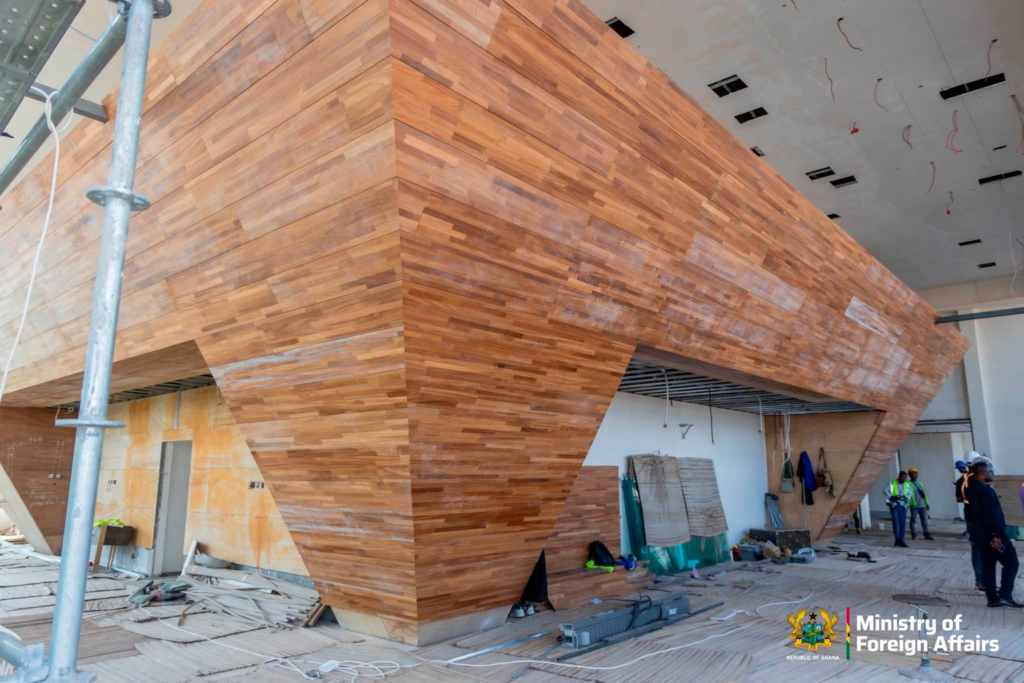
- VIP lounge at Accra International Airport slated for handover before end‑2026.
- Project financed through a corporate‑social‑responsibility pool, not taxpayer money.
- Foreign Affairs Minister Samuel Okudzeto Ablakwa inspected progress and praised quality.
Construction of a state‑of‑the‑art VIP lounge at Ghana’s primary gateway is entering its final phase. The facility, intended to serve high‑profile travelers and diplomatic delegations, is expected to be operational before the close of 2026.
Minister Samuel Okudzeto Ablakwa’s recent site visit confirmed that contractors are applying finishing touches while the Foreign Ministry’s Estate Bureau monitors compliance with international standards.
Background & Context
Accra’s Kotoka International Airport has undergone a series of upgrades since 2018, aiming to align the hub with regional competitors such as Nairobi’s Jomo Kenyatta and Ethiopia’s Addis Ababa Bole. The addition of a dedicated VIP lounge reflects a broader strategy to attract premium traffic, bolster tourism revenue, and position Ghana as a preferred stopover for business itineraries.
Historically, airport infrastructure in Ghana relied on public financing and conventional procurement, which often faced budgetary constraints and lengthy tender processes. The shift toward private‑sector participation marks a notable departure from past practice.
Funding Model & Execution
The lounge’s budget is being covered by a consortium of Ghanaian corporations under a corporate social responsibility (CSR) framework. Funds flow directly to local contractors, bypassing the national treasury. This arrangement reduces fiscal pressure while granting firms a visible platform to demonstrate commitment to national development.
Supervision by the Foreign Ministry’s Estate Bureau ensures that construction adheres to both functional specifications and aesthetic standards expected of a diplomatic facility. Independent audits have been instituted to verify that CSR contributions meet transparency criteria, addressing common concerns about private‑funded public projects.
Broader Implications
Successful delivery of the lounge could set a precedent for future infrastructure ventures, encouraging more private entities to invest in public‑benefit projects without the complexities of traditional public procurement. Analysts anticipate that a premium lounge may increase the airport’s appeal to airlines offering business class services, potentially expanding route networks.
Beyond economic considerations, the project underscores Ghana’s commitment to showcasing modern hospitality for diplomatic engagements. A well‑equipped VIP space can streamline official visits, reinforcing the country’s image on the global stage.
Looking Ahead
With completion anticipated before the end of 2026, the focus now shifts to operational readiness, staff training, and integration with existing airport services. Stakeholders are monitoring timelines closely to ensure that the handover aligns with scheduled airline upgrades and upcoming tourism campaigns.
Should the CSR‑funded model prove effective, policymakers may explore similar partnerships for runway extensions, cargo facilities, and digital upgrades, further accelerating Ghana’s aviation modernization agenda.




0 Comments
Leave a Comment
No comments yet. Be the first to share your thoughts!