
Key Takeaways
- Inusah Fuseini publicly questioned the scope of parliamentary immunity.
- He argues the current framework shields misconduct without accountability.
- The debate resurfaces amid growing demands for legislative transparency in Ghana.
- Proposed reforms could redefine the balance between protection and responsibility for MPs.
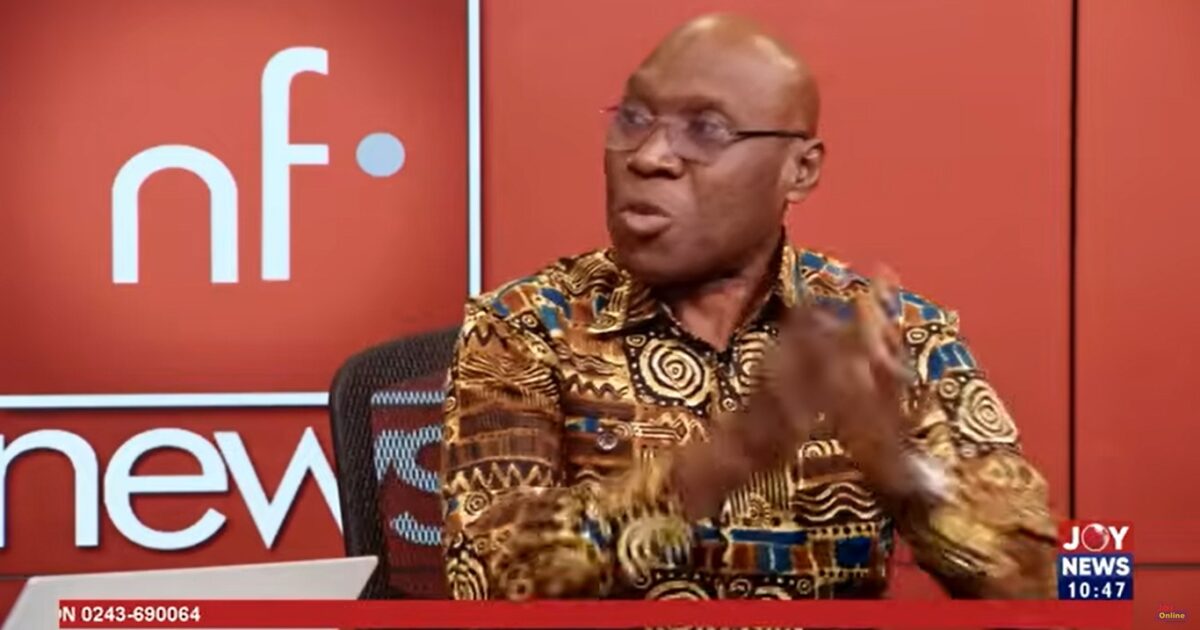
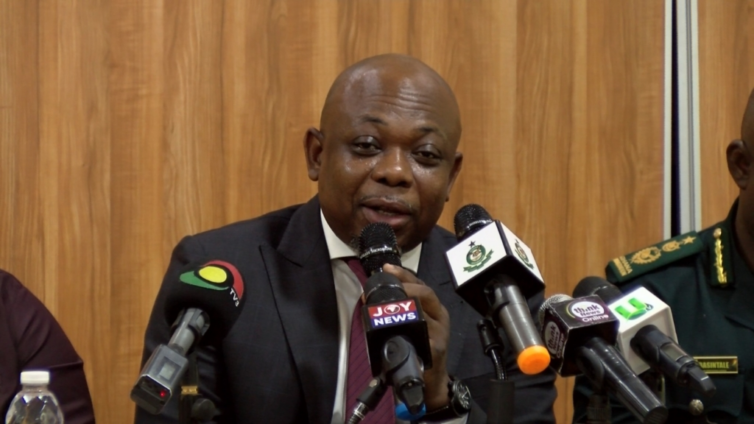
On Saturday, former Tamale Central Member of Parliament Inusah Fuseini appeared on the Newsfile programme to voice concerns about how parliamentary immunity is exercised in Ghana. His remarks punctuate a broader discourse on the limits of legal protection afforded to elected officials.
Fuseini’s intervention arrives at a moment when civil society groups and legal scholars are intensifying calls for clearer guidelines that prevent the misuse of immunity while preserving the essential independence of legislators.
Background & Context
Parliamentary immunity in Ghana is enshrined in Article 95 of the 1992 Constitution, granting members of Parliament freedom of speech within the chamber and protection from civil and criminal prosecution for actions performed in the course of their duties. The provision was originally intended to safeguard democratic debate from intimidation.
Over the past decade, high‑profile cases—ranging from allegations of financial impropriety to accusations of harassment—have tested the boundaries of that protection. Critics argue that the blanket nature of the immunity clause can be exploited, allowing officials to evade accountability for conduct unrelated to legislative functions.
Fuseini’s Critique of Current Practice
During the interview, Fuseini emphasized that immunity should not become a sanctuary for wrongdoing. He cited instances where MPs faced allegations of corruption yet remained insulated from investigation, eroding public confidence in the institution.
He called for a nuanced framework that distinguishes between legitimate parliamentary activities and actions that fall outside the scope of legislative duties. Fuseini suggested that a procedural mechanism—such as a parliamentary ethics committee—could evaluate claims before immunity is invoked.
Broader Implications for Governance
The conversation around immunity touches on the core of Ghana’s democratic maturity. Strengthening oversight mechanisms could enhance transparency, reinforcing the electorate’s trust in their representatives.
Legal experts note that comparative models in other Commonwealth nations employ a “qualified immunity” approach, where protection is contingent upon a clear link to parliamentary work. Adopting a similar model could align Ghana’s practice with international standards while preserving legislative independence.
Looking Ahead
Legislators are expected to debate potential amendments during the upcoming parliamentary session. Stakeholders—including civil society, the judiciary, and political parties—are likely to lobby for reforms that balance immunity with accountability.
If consensus emerges, Ghana could set a precedent for re‑examining entrenched legal doctrines, signaling a commitment to both robust democratic debate and ethical governance.


0 Comments
Leave a Comment
No comments yet. Be the first to share your thoughts!