
Key Takeaways
- Ghana declined a U.S. health compact that would have replaced portions of USAID funding.
- Cabinet objections focused on health data sovereignty, counterpart financing requirements, and regulatory treatment of imported medical products.
- The administration will pursue health priorities independently while maintaining diplomatic engagement with international partners.
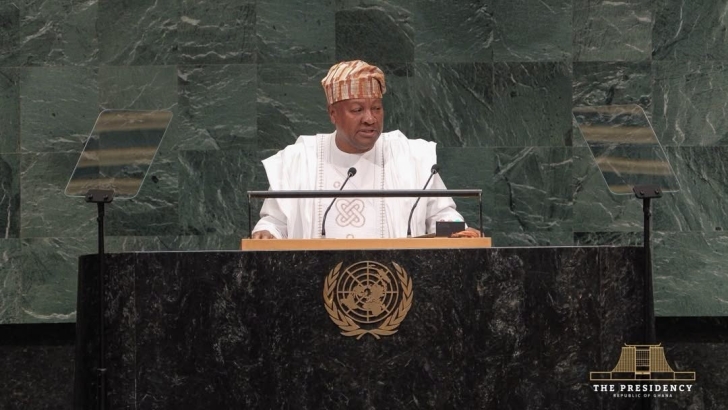
President John Dramani Mahama announced in New York that Ghana will not sign the proposed United States health compact. The decision follows a cabinet review that identified several clauses perceived as compromising national interests.
The move signals a shift toward greater autonomy in Ghana's health sector, even as the country reaffirms its commitment to collaborate with global health actors.
Background & Context
The United States has long supported Ghana's health system through USAID, financing programs ranging from maternal health to disease surveillance. The new compact sought to consolidate these efforts under a single framework, promising streamlined funding and technical assistance.
Negotiations began in early 2024, with both governments presenting draft agreements. While the United States highlighted the potential for increased resources, Ghana's officials emphasized the need to safeguard policy space and data integrity.
Cabinet Concerns
Ghanaian ministers raised three primary issues: first, the requirement that health data generated under the program be shared with U.S. agencies, which they argued could undermine data sovereignty and privacy safeguards. Second, the compact stipulated counterpart funding from Ghana, a condition that could strain the national budget amid competing priorities. Third, the regulatory provisions for medical products imported under the agreement were viewed as potentially bypassing Ghana's existing approval processes.
These points reflect broader apprehensions about external influence on domestic health governance. By rejecting the compact, the cabinet signaled a preference for retaining full regulatory control and fiscal flexibility.
Strategic Implications
The rejection may reshape Ghana's engagement with development partners. While the United States remains a key ally, the decision could prompt a reevaluation of aid modalities, encouraging bilateral and multilateral donors to propose arrangements that respect Ghana's policy autonomy.
Domestically, the government will need to identify alternative financing streams to fill any gaps left by the discontinued USAID contributions. Strengthening internal revenue mechanisms and exploring public‑private partnerships are likely avenues.
Looking Ahead
Ghana plans to chart its health agenda through home‑grown strategies, leveraging existing partnerships while seeking new collaborations that align with national regulatory standards. Monitoring how this stance influences future aid negotiations will be critical for both policymakers and international donors.
Continued dialogue with the United States is expected, focusing on targeted projects that can proceed without compromising the concerns articulated by the cabinet.



0 Comments
Leave a Comment
No comments yet. Be the first to share your thoughts!