
Key Takeaways
- Incumbent President Carlos Vila Nova won a second five-year term with over 55% of the vote.
- Nito Abreu, his top challenger, secured more than 41% of the vote, avoiding a runoff.
- Vila Nova ran as an independent after a split with the Independent Democratic Action party (ADI) that holds a majority of seats in the National Assembly.
- São Tomé and Príncipe has a history of free and peaceful elections since the adoption of multiparty politics in 1990.
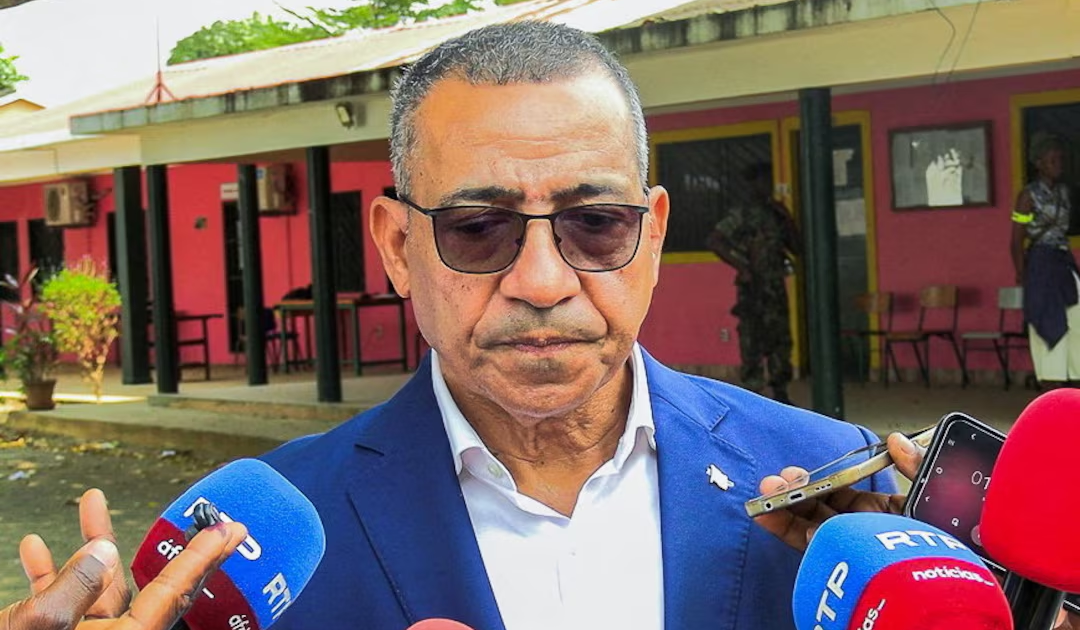
São Tomé and Príncipe President Carlos Vila Nova secured a second five-year term in the country's presidential election held on Sunday. Preliminary results from the election commission announced on Monday showed Vila Nova winning with more than 55% of the vote, sufficient to avoid a runoff.
The election was closely watched, with Vila Nova facing his top challenger, Nito Abreu, who secured more than 41% of the vote. The outcome marked the first time Vila Nova has run as an independent, having previously been backed by the Independent Democratic Action party (ADI) that holds a majority of seats in the National Assembly.
Background & Context
The election took place in a country with a history of free and peaceful elections since the adoption of multiparty politics in 1990. São Tomé and Príncipe, a former Portuguese colony situated off the western coast of Africa, has a population of around 240,000 and is known for its cocoa production.
The country has faced challenges, including an exodus of young people, which Abreu had vowed to address during his campaign. In 2022, the government announced it had thwarted a coup attempt, the first in nearly two decades, involving a member of a South African apartheid-era militia known as the Buffalo Battalion.
Key Findings
The election results indicate that Vila Nova's popularity remains strong, securing a significant majority of the vote. The outcome is likely to have implications for the country's future, with Vila Nova's leadership set to continue for the next five years.
Abreu's performance, securing over 41% of the vote, highlights the country's ongoing debates and challenges, including the need for job creation and addressing the exodus of young people.
Broader Implications
The election outcome is significant not only for São Tomé and Príncipe but also for the broader region. The country's history of peaceful elections serves as a model for other African nations, emphasizing the importance of democratic processes in promoting stability and development.
The outcome may also have implications for regional and international cooperation, with São Tomé and Príncipe playing an important role in regional organizations such as the Economic Community of Central African States (ECCAS).
Looking Ahead
The election outcome sets the stage for Vila Nova's second term, which is likely to focus on addressing the country's ongoing challenges, including job creation and addressing the exodus of young people.
The outcome also underscores the importance of democratic processes in promoting stability and development in São Tomé and Príncipe, serving as a model for other African nations.


0 Comments
Leave a Comment
No comments yet. Be the first to share your thoughts!