
Key Takeaways
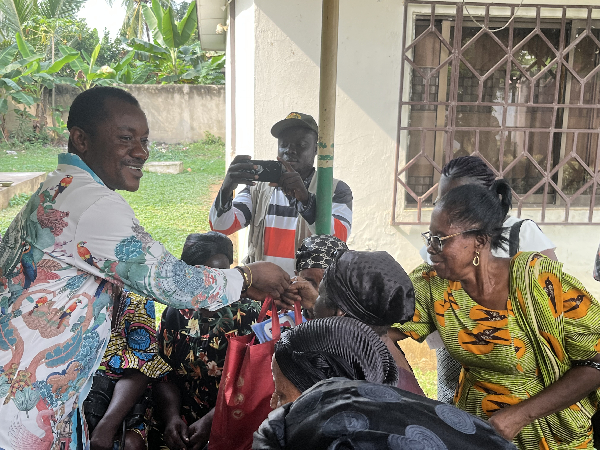
- Chief Kwabda Awuah Parker I delivered rice and vegetable oil to more than 50 widows and widowers in Abuakwa North.
- The distribution occurred on 21 August 2026 and was part of a broader effort to assist vulnerable households.
- Beneficiaries received promises of ongoing assistance, including plans for healthcare support.
- The initiative highlights the role of traditional leadership in Ghanaian social welfare.
On Friday, 21 August 2026, Chief Kwabda Awuah Parker I of Akyem Sokode Juaso led a food‑relief operation in the Abuakwa North Municipality of Ghana’s Eastern Region. The event provided bags of rice and containers of vegetable oil to more than fifty widows and widowers identified as economically vulnerable.
Local officials reported that the distribution was coordinated with community elders and women’s groups, ensuring that aid reached households lacking regular income streams. The chief affirmed his commitment to sustain the assistance and outlined forthcoming measures to improve beneficiaries’ access to medical care.
Background & Context
Widowhood in Ghana frequently translates into financial insecurity, especially in rural districts where formal social safety nets are limited. National statistics indicate that widows constitute a disproportionate share of households living below the poverty line, a trend amplified by limited land inheritance rights and reduced labor capacity.
Traditional authorities have historically filled gaps left by state programs, leveraging communal resources and moral authority to mobilize aid. In the Eastern Region, chiefs often act as intermediaries between NGOs, government agencies, and local families, shaping the distribution of food, cash, and health services.
Impact of the Distribution
The immediate effect of the rice and oil delivery was to alleviate short‑term food scarcity for the targeted families. Nutrition experts note that staple grains and cooking oil are critical components of a balanced diet, particularly for households with limited market access.
Beyond caloric intake, the event reinforced social cohesion by publicly acknowledging the plight of widows and widowers. Observers recorded heightened community participation in subsequent meetings, suggesting that the gesture may catalyze further collective action.
Broader Implications
Chief Parker’s pledge to address healthcare needs aligns with Ghana’s ongoing challenge of extending medical services to rural populations. By integrating health considerations into food‑aid initiatives, local leaders can create multi‑layered support structures that mitigate both immediate hunger and longer‑term health risks.
The episode underscores the potential of decentralized, culturally resonant interventions to complement national welfare policies. As the government expands its Social Protection Programme, partnerships with traditional chiefs could enhance outreach efficiency and community trust.
Looking Ahead
Future steps include the establishment of a community health fund, as indicated by the chief’s statements. Coordination with regional health directorates may enable mobile clinics and preventive screenings for the same beneficiaries.
Continued monitoring of the program’s outcomes will be essential to gauge its scalability. If replicated across neighboring districts, the model could contribute to a more resilient safety net for Ghana’s most vulnerable populations.






0 Comments
Leave a Comment
No comments yet. Be the first to share your thoughts!