
Key Takeaways
- DirectAid distributed food and household supplies to Alajo on Aug. 25.
- Relief targets roughly 1,500 families across five flood‑affected communities.
- The June 2026 floods left 39 dead and nearly 92,000 people displaced.
- Humanitarian response is part of a broader effort to rebuild resilience in Accra.
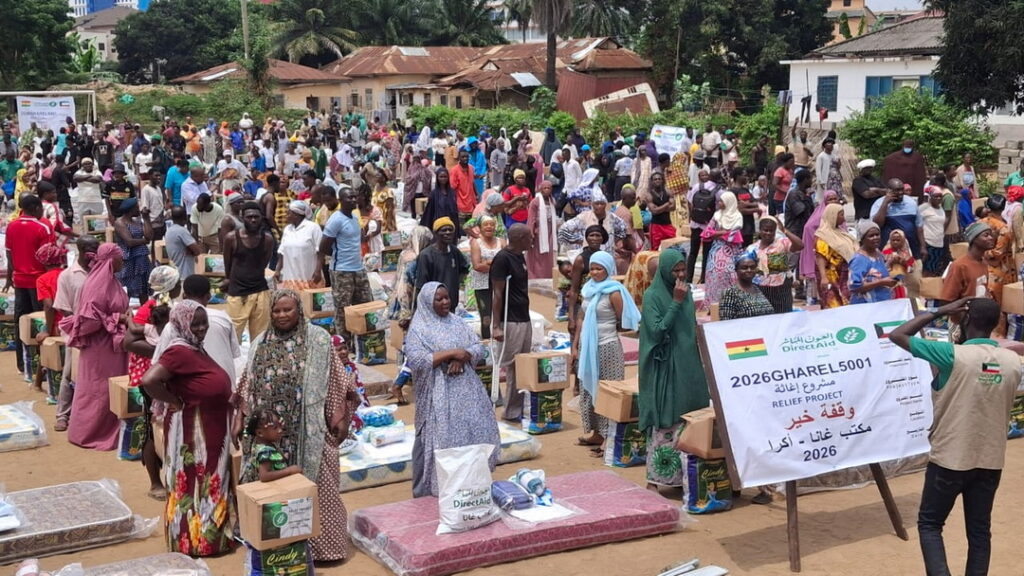
On Tuesday, August 25, DirectAid completed a coordinated distribution of essential items to residents of Alajo, a suburb of Accra that suffered severe damage during the June 2026 floods. Volunteers handed out pre‑packed food parcels, blankets, and basic household goods to families awaiting assistance.
The operation forms the first phase of a multi‑community programme designed to reach an estimated 1,500 households in five neighborhoods that continue to grapple with water‑logged homes, disrupted livelihoods, and heightened health risks.
Background & Context
Heavy rains in early June triggered flash floods that inundated low‑lying districts of Ghana’s capital. Official reports recorded 39 fatalities and nearly 92,000 individuals affected, prompting a national emergency declaration. Infrastructure deficiencies, inadequate drainage, and rapid urban expansion amplified the disaster’s impact, exposing systemic vulnerabilities in the city’s flood management.
Since the calamity, government agencies, international NGOs, and local charities have mobilised resources to address immediate humanitarian needs while planning longer‑term mitigation strategies. DirectAid, a regional humanitarian organization, entered the response framework to complement state‑led distribution efforts.
Relief Operations
DirectAid’s August 25 event involved over 30 volunteers, local community leaders, and health workers who verified beneficiary eligibility through a pre‑established registry. Each household received a standardized kit containing non‑perishable staples, clean water containers, hygiene supplies, and a small cash voucher to purchase additional necessities.
Beneficiaries were observed lining up with dignity, many expressing relief that the supplies would enable them to resume basic daily routines. The organization documented the distribution with photographic evidence to ensure transparency and to inform subsequent phases of the programme.
Implications for Flood Resilience
While emergency aid addresses immediate survival, experts warn that without structural reforms the cycle of disaster and relief will persist. Urban planners emphasize the need for upgraded drainage networks, enforced building codes, and community‑based early warning systems to reduce future exposure.
Health officials highlight that post‑flood environments can trigger outbreaks of water‑borne diseases, making timely distribution of clean water and sanitation kits a critical public‑health intervention. The current aid effort therefore serves both humanitarian and preventive functions.
Looking Ahead
DirectAid plans to extend its outreach to the remaining four communities over the next two months, while coordinating with municipal authorities to map vulnerable zones for targeted infrastructure upgrades. Ongoing monitoring will assess the effectiveness of the aid and identify gaps that require additional support.
Stakeholders anticipate that sustained collaboration between NGOs, government bodies, and local residents will be essential to transform emergency relief into lasting resilience for Accra’s flood‑prone neighborhoods.





0 Comments
Leave a Comment
No comments yet. Be the first to share your thoughts!