
Key Takeaways
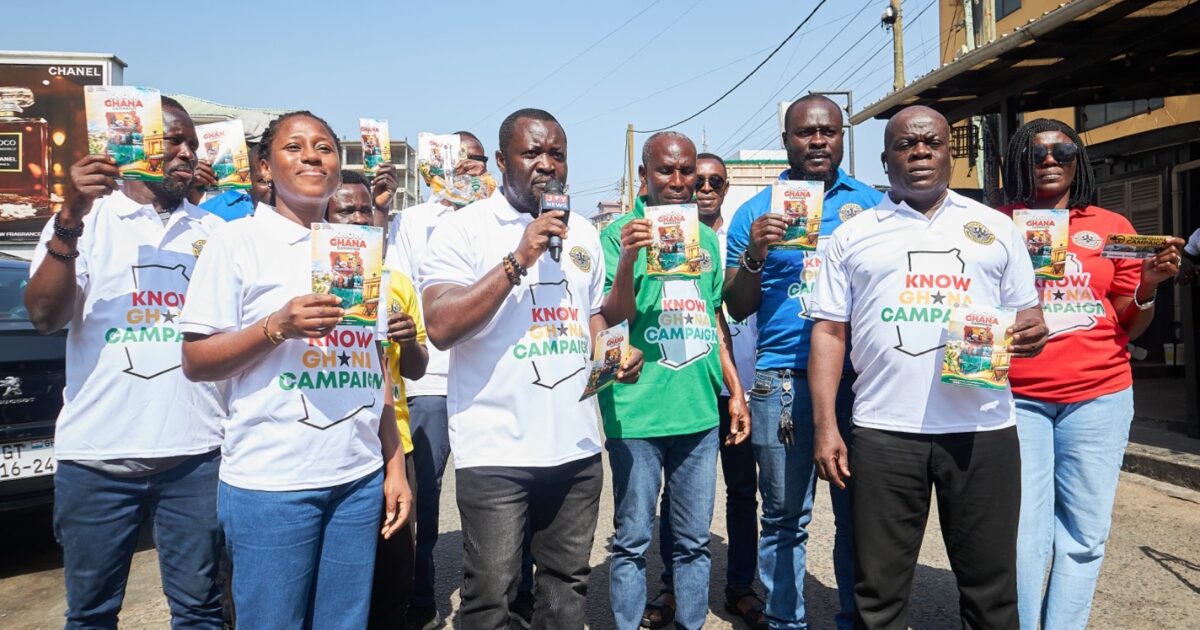
- Taxi drivers in Accra received a targeted briefing on Ghana’s tourism assets under the "Know Ghana" campaign.
- The initiative equips drivers with promotional material and cultural talking points to enhance visitor experiences.
- Officials plan to replicate the program nationwide, including rideshare platforms and regional unions.
- Enhanced driver engagement aims to boost domestic tourism revenue and foreign‑exchange earnings.
The Ghana Tourism Authority (GTA) launched a pilot sensitisation session for drivers affiliated with the Osu RE, Shoprite and Papaye unions on 3 October 2026. The briefing formed part of the broader "Know Ghana" campaign, which seeks to align everyday transport interactions with the Authority’s domestic marketing pillars: "See Ghana, Eat Ghana, Wear Ghana and Feel Ghana" and the overarching theme "Experience Ghana."
Representatives from the GTA, including Deputy Directors of Corporate Affairs and the Greater Accra chairman of the Tour Guides Association of Ghana, delivered the training. Participants left with branded T‑shirts, stickers and flyers designed to transform ordinary taxi rides into curated cultural showcases.
Background & Context
Tourism contributes a significant share of Ghana’s GDP, yet visitor engagement often ends at major landmarks, leaving peripheral attractions under‑utilised. Recognising that transport operators serve as the first point of contact for many travellers, the GTA identified taxi drivers as natural ambassadors capable of extending the tourism narrative beyond traditional itineraries.
The "Know Ghana" campaign emerged from a strategic review that highlighted gaps in visitor information during the high‑traffic "December in GH" period. By embedding cultural cues within the daily commute, the Authority hopes to distribute tourism awareness organically, leveraging the frequency and reach of taxi services across urban and peri‑urban zones.
Implementation & Immediate Impact
The pilot session focused on four core competencies: factual knowledge of heritage sites, promotion of local cuisine, introduction to contemporary and traditional attire, and the role of Ghanaian music in shaping visitor perception. Drivers practiced concise pitch scripts and received audio‑visual guides to reinforce learning.
Early feedback indicates heightened driver confidence when fielding tourist inquiries. The distribution of visual assets—stickers bearing iconic symbols and flyers outlining itineraries—provides tangible reminders that reinforce the verbal messaging during rides.
Broader Implications for Ghanaian Tourism
Embedding tourism promotion within the transport sector creates a multiplier effect for local economies. Visitors who receive curated recommendations are more likely to patronise restaurants, craft markets and night‑life venues that might otherwise remain undiscovered. This diffusion of tourist spend supports small‑scale enterprises and contributes to the diversification of revenue streams beyond hotel occupancy.
From a policy perspective, the programme aligns with national objectives to increase foreign‑exchange receipts and stimulate investment in the hospitality and cultural sectors. By extending the model to rideshare platforms such as Uber and Yango, the GTA can tap into a broader demographic of both domestic and international travellers, reinforcing Ghana’s brand as a seamless, culturally rich destination.
Looking Ahead
The GTA intends to roll out similar sensitisation workshops at major taxi stations throughout Accra and across all sixteen regions within the next twelve months. Coordination with the Ghana Private Road Transport Union and rideshare operators will standardise training modules and ensure consistent messaging nationwide.
Continued media coverage and public‑private partnerships are expected to amplify the initiative’s reach, positioning Ghanaian drivers as credible custodians of the nation’s cultural heritage and contributors to a sustainable tourism ecosystem.




0 Comments
Leave a Comment
No comments yet. Be the first to share your thoughts!