
Key Takeaways
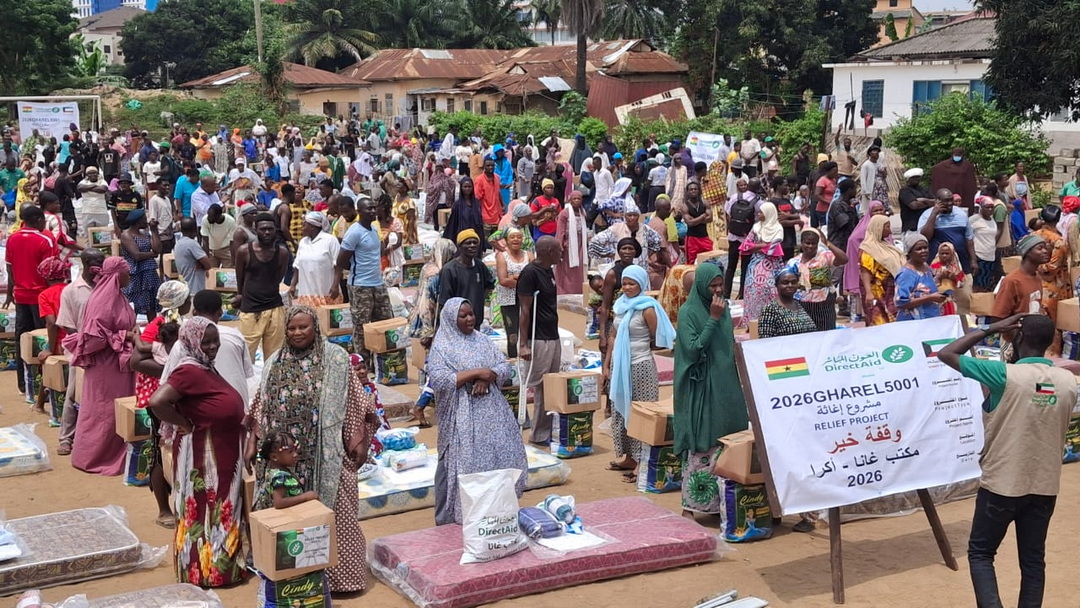
- DirectAid distributed food and household supplies to flood‑hit families in Alajo, Accra on 25 August 2026.
- The GH₵2 million programme targets 1,500 households across five communities, with final deliveries scheduled for early September.
- Donors in Kuwait and Ghanaian authorities coordinated the effort, which will later extend to medical facilities.
Heavy rains in June 2026 caused widespread flooding in Ghana’s Greater Accra region, displacing thousands and destroying homes worth millions. In response, the humanitarian organization DirectAid launched a multi‑community relief operation to restore basic necessities for the most vulnerable households.
The first distribution took place on Tuesday, 25 August, in the Alajo neighbourhood of Accra, where beneficiaries received packaged food staples and essential household items.
Background & Context
The June floods claimed 39 lives and affected nearly 92,000 people, according to parliamentary reports. Infrastructure damage left many families without shelter, clean water or reliable sources of nutrition. International donors, notably from Kuwait, pledged financial support to complement Ghanaian government relief measures.
DirectAid’s Country Director, Sami Henedak Ahmed, emphasized that the intervention aims to bridge the gap between immediate emergency aid and longer‑term recovery, focusing on families whose livelihoods were disrupted.
Relief Distribution Details
Each Alajo household received a bag of rice, six litres of cooking oil, ten packs of spaghetti, beans, tomatoes and other staples. Complementary non‑food items included mattresses, bedsheets, blankets, towels and cleaning supplies such as soap and Parazone.
The distribution was conducted under the supervision of local officials, ensuring that the aid reached the intended recipients. Beneficiaries expressed visible gratitude, with many praising the timeliness of the support amid ongoing reconstruction efforts.
Broader Implications
Providing basic sustenance and shelter materials mitigates the risk of secondary health crises, such as water‑borne diseases, that often follow large‑scale flooding. By stabilizing household consumption, the programme also reduces pressure on local markets, which can experience price spikes after disasters.
The planned extension of aid to clinics and hospitals signals a holistic approach, recognizing that medical infrastructure is essential for community resilience. Coordinated donor‑government partnerships set a precedent for future disaster response frameworks in Ghana.
Looking Ahead
Subsequent distributions are scheduled for Alogboshie on Wednesday, Kasoa on Thursday, Nana Krom on Saturday and a final delivery in Abeka the following Tuesday. The rollout will complete the GH₵2 million programme, reaching an estimated 1,500 families.
Long‑term recovery will depend on sustained investment in flood mitigation, housing reconstruction and climate‑adaptation strategies, areas that policymakers are urged to prioritize in the wake of the 2026 events.



0 Comments
Leave a Comment
No comments yet. Be the first to share your thoughts!