
Key Takeaways
- Dr. Cecelia Adu Gyamfi accepted a posting at the new Evangelical Church of Ghana Hospital in Dambai.
- Regional officials praised her commitment amid logistical challenges common in remote areas.
- Local political leaders pledged support to ensure the hospital’s operational sustainability.
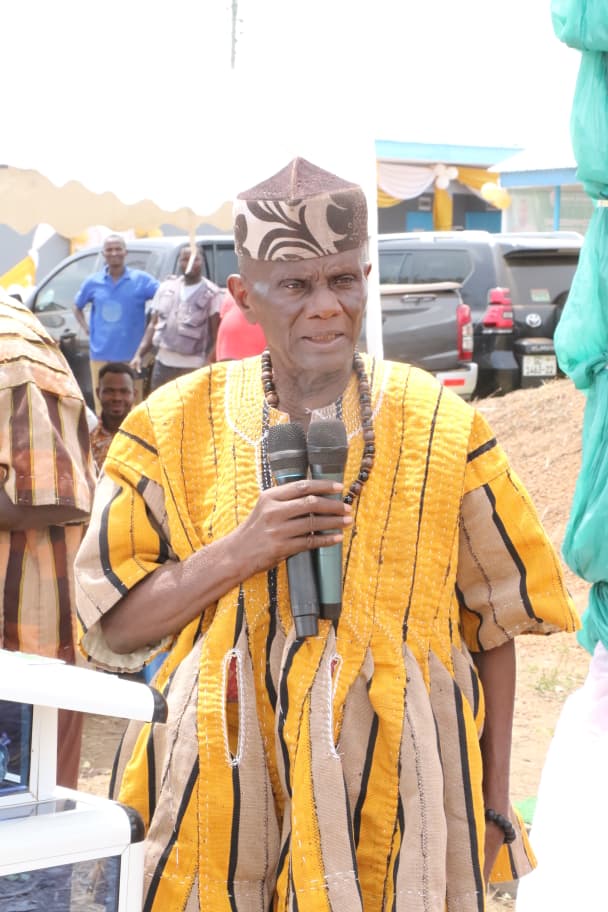
The Evangelical Church of Ghana inaugurated a hospital in Dambai, marking a significant expansion of medical services in the Oti Region. The ceremony highlighted the appointment of Dr. Cecelia Adu Gyamfi, a medical doctor who volunteered for the posting despite the distance from major urban centers.
Regional Minister John Kwadwo Gyapong and MP Nelson Kofi Djabab publicly commended the doctor’s decision, emphasizing its importance for improving health outcomes in underserved communities.
Regional Healthcare Landscape
The Oti Region has historically faced shortages of qualified health professionals, compelling residents to travel long distances for emergency care. The establishment of the Evangelical Church of Ghana Hospital addresses a critical gap by providing a permanent facility equipped to handle routine and urgent medical needs.
Infrastructure constraints, including limited accommodation and transport options, have deterred many practitioners from accepting rural assignments. The new hospital’s presence signals a strategic effort to decentralize healthcare delivery and reduce reliance on distant tertiary centers.
Commitment of Medical Professionals
Dr. Sonlaar Joseph, Medical Superintendent of the Kpandai Evangelical Church of Ghana Hospital, highlighted Dr. Adu Gyamfi’s willingness to serve without raising concerns about the logistical drawbacks typical of remote postings. This attitude reflects a broader professional ethic that prioritizes community health over personal convenience.
Such dedication is essential for sustaining service quality in newly opened facilities. Retention of staff in rural settings often hinges on a combination of personal commitment and institutional support.
Political and Community Support
Minister Gyapong pledged full backing from the Oti Regional Coordinating Council, promising resources to facilitate the doctor’s integration into the community. This endorsement underscores the government’s recognition that staffing rural hospitals is a prerequisite for systemic health improvements.
MP Nelson Kofi Djabab, representing Krachi East, affirmed that the hospital will markedly improve access to care for Dambai residents and surrounding villages. He pledged collaborative assistance from constituency stakeholders to secure operational funding and ancillary services.
Looking Ahead
Continued collaboration between religious organizations, government agencies, and local leaders will be pivotal in scaling the hospital’s capacity. Monitoring patient outcomes and staff retention rates will provide measurable indicators of success.
Should the model prove effective, it may inform similar initiatives across Ghana’s underserved regions, fostering a more equitable national health system.





0 Comments
Leave a Comment
No comments yet. Be the first to share your thoughts!