
Key Takeaways
- Prof. Godfred Bokpin calls for greater transparency, broader consultation, and clear private-sector participation in Ghana's electricity distribution sector.
- The energy sector's persistent weaknesses pose a significant threat to the country's fiscal stability.
- Fundamental issues identified under the IMF programme are not new and require substantial investment to reduce losses across the electricity value chain.
- Private-sector participation can take various forms, and the precise structure must be made clear to the public before implementation.
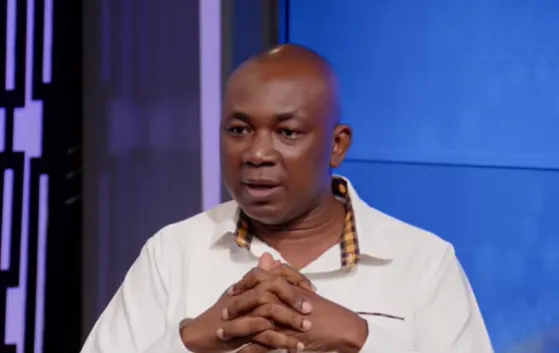
Ghana's energy sector remains a significant challenge to the country's fiscal stability, with persistent weaknesses that pre-date the current IMF-supported programme. Economist and Professor of Finance, Prof. Godfred Bokpin, has warned that the sector's inefficiencies pose a substantial threat to the country's financial stability.
Speaking on JoyNews' Newsfile, Prof. Bokpin highlighted the need for greater transparency, broader consultation, and clear private-sector participation in the electricity distribution sector. He emphasized that the fundamental issues identified under the IMF programme are not new and require substantial investment to reduce losses across the electricity value chain.
Background & Context
The energy sector's problems, including high distribution losses, weak revenue collection, and outstanding obligations to power producers, have been ongoing for years. Prof. Bokpin noted that the IMF programme has contributed to greater transparency in the management of the energy sector but argued that the focus should be on measuring meaningful progress rather than simply criticising the data.
The economist highlighted the importance of understanding the extent of the problem and assessing whether reforms are producing results. He pointed to the cash waterfall mechanism, which is intended to ensure that revenues generated within the electricity supply chain are allocated according to an agreed priority structure, as an area where the IMF programme has made a difference.
Key Findings
Prof. Bokpin's analysis revealed that the financial burden of the energy sector remains extremely significant, with government's additional budgetary interventions consuming fiscal resources on a scale that should concern policymakers. He questioned whether Ghana can continue to finance the sector through state resources while meeting its development needs in other areas.
The economist emphasized that reducing losses across the electricity value chain will require substantial investment, which Ghana cannot expect to achieve without investing in infrastructure and improving operational efficiency. He urged policymakers to confront the investment gap directly and determine how the necessary capital can be mobilised while ensuring that the sector becomes more efficient.
Broader Implications
Prof. Bokpin stressed that the energy-sector crisis is part of a wider problem of inefficiency among Ghana's state-owned enterprises, which have imposed a considerable cost on the economy over the years. He warned that failure to address these structural problems could leave Ghana trapped in a cycle of inefficiencies, requiring external financial assistance in the future.
The economist also drew attention to the government's commitment under its policy framework to conclude the process for private-sector participation by June 2027. He suggested that the reform agenda had previously been affected by political considerations, including the electoral cycle, but argued that Ghana could no longer afford prolonged delays.
Looking Ahead
Prof. Bokpin's intervention has underscored the need for a broader national consultation on the proposed changes, including clear disclosure of the government's intended model. He emphasized that the private sector can contribute expertise and capital without transferring control of the entire electricity value chain to private investors.
The economist's warning highlights the imperative for policymakers to address the energy sector's inefficiencies and invest in infrastructure to reduce losses across the electricity value chain. Failure to do so could have far-reaching consequences for Ghana's fiscal stability and economic development.





0 Comments
Leave a Comment
No comments yet. Be the first to share your thoughts!