

Key Takeaways
- Deputy director of the Electoral Commission cautions that monetary inducements endanger Ghana’s democratic process.
- Constitutional Article 46 affirms the Commission’s independence and the legal framework against bribery.
- Instances of vote‑buying have been reported as early as primary school elections.
- Officials call for coordinated action by parents, schools, political parties, and civil society to curb the practice.
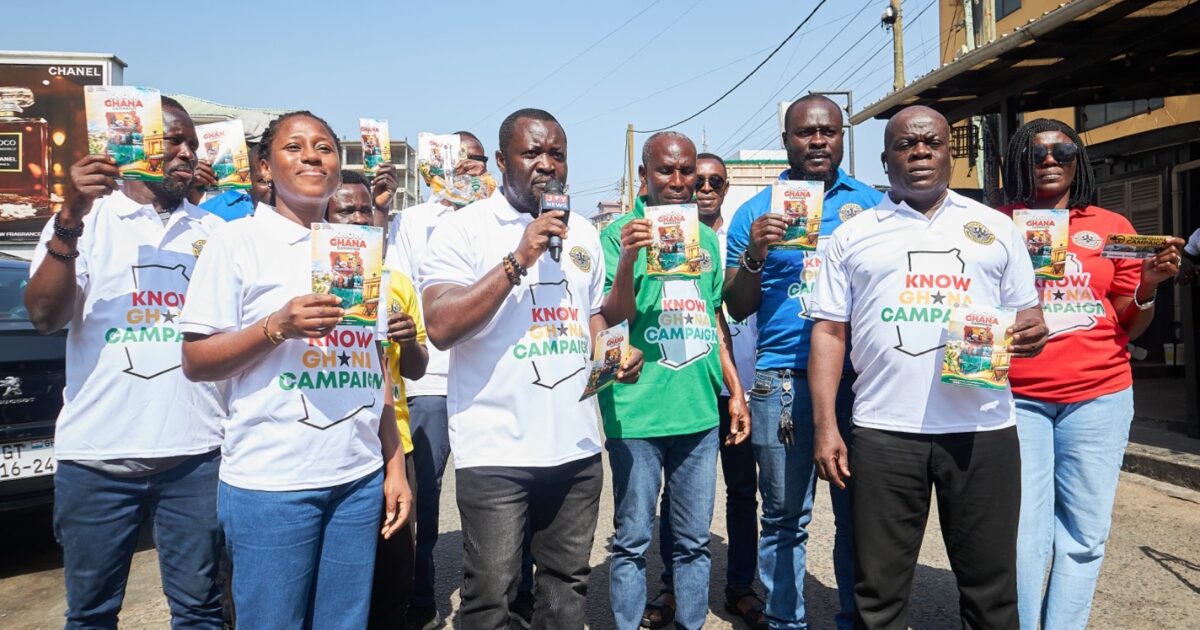
At a public forum organized by Adom Brands and the JoyNews Impact Makers Foundation in Koforidua, the Eastern Region’s Electoral Commission deputy director highlighted a surge in financial influence over voting behavior. He framed the issue as a direct challenge to the constitutional principle that political power resides with the electorate.
The speaker emphasized that while money fuels many aspects of society, its deployment as a tool to sway voters undermines the legitimacy of elected offices and jeopardizes national stability.
Background & Context
Vote‑buying has recurred in Ghanaian elections since the return to multiparty democracy in 1992, often surfacing during tightly contested parliamentary races. Scholars trace its persistence to patron‑client networks that blur the line between legitimate campaign financing and illicit inducement. Recent reports suggest the practice has migrated from adult voters to school‑yard contests, where children exchange sweets for peer support.
These patterns reflect broader socio‑economic pressures, including high unemployment and limited access to public services, which make monetary incentives an attractive shortcut for political actors seeking quick support. The phenomenon is not unique to Ghana; comparable trends have been documented in neighboring democracies, underscoring a regional vulnerability to clientelism.
Legal Safeguards and Institutional Response
Article 46 of the 1992 Constitution explicitly protects the Electoral Commission’s autonomy, mandating that its operations remain free from external interference. The Commission is empowered to enforce statutes that criminalize bribery, undue influence, and the distribution of gifts intended to affect voting outcomes.
Despite a clear legal framework, enforcement has faced obstacles such as limited investigative resources and the covert nature of many inducements. The deputy director called for stricter monitoring mechanisms, enhanced training for electoral officers, and swift prosecution of violations to reinforce the rule of law.
Broader Implications for Democratic Stability
When monetary offers dictate electoral choices, public confidence in the fairness of elections erodes, leading to disengagement and potential civil unrest. The infiltration of vote‑buying into youth settings raises concerns about the normalization of corruption among future leaders.
Moreover, reliance on financial leverage distorts policy priorities, as elected officials may feel beholden to benefactors rather than constituents. Comparative analysis with countries that have curbed clientelism shows that sustained civic education and transparent financing disclosures can restore voter agency.
Looking Ahead
Stakeholders are urged to launch coordinated outreach programs in schools, emphasizing the civic duty of voting based on merit rather than material gain. Strengthening the capacity of the Electoral Commission to detect and penalize breaches will signal a zero‑tolerance stance.
Long‑term resilience will depend on a cultural shift that valorizes integrity over short‑term gains, supported by media scrutiny, robust civil society advocacy, and consistent political will.




0 Comments
Leave a Comment
No comments yet. Be the first to share your thoughts!