
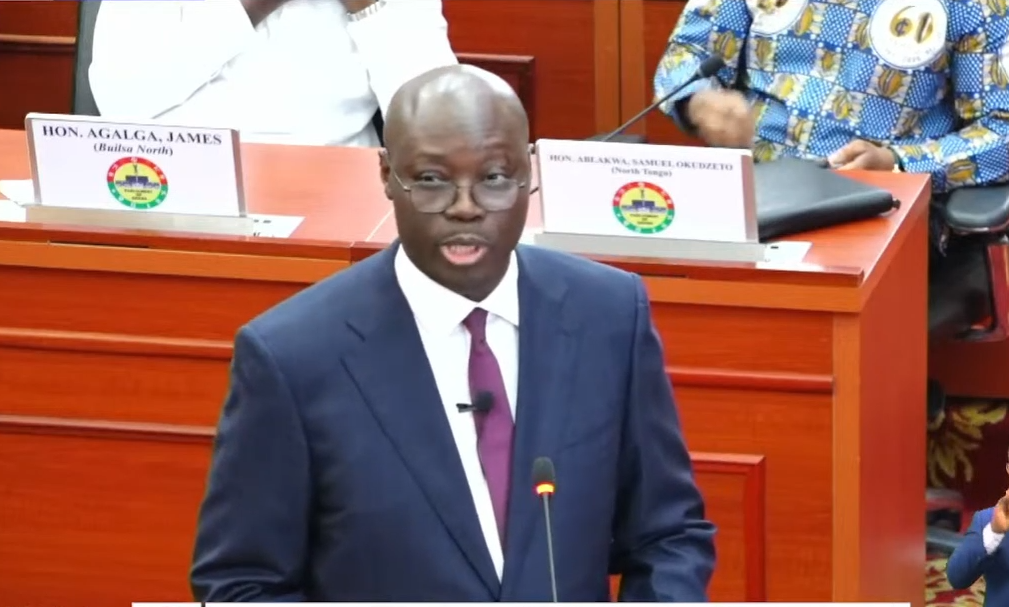
Finance Minister Dr Cassiel Ato Forson told Parliament on Thursday, 12 November 2026, that Ghana aims to achieve real GDP growth of about 8% and keep unemployment below 8% by 2030.
Policy targets and fiscal framework
The goals form the first pillar of the government’s eight‑pillar New Economy Programme, which seeks to sustain macro‑economic stability and expand access to affordable finance. Forson said the government will maintain a positive primary surplus of at least 0.5% of GDP from 2027, keep public debt at roughly 45% of GDP, preserve single‑digit inflation and bolster external reserves.
“Our duty is to protect the gains we have made and apply them to the benefit of the people of Ghana,” he said.
The finance ministry also targets an investment‑grade sovereign credit rating by 2030, emphasizing that such a rating must be earned through consistent performance, not rhetoric.
“Investment‑grade sovereign rating cannot be earned in a speech. It must be earned through sustained performance,” Forson added.
Measures to improve financing
To lower the cost of capital into single digits, the plan includes strengthening bank lending, deepening corporate bond markets and collaborating with Development Bank Ghana, Ghana Exim Bank and other financial institutions. Credit guarantees, equipment leasing and export financing will be offered to viable enterprises.
“Affordable finance will turn stability into opportunities,” Forson said.
“From the market woman seeking working capital to the manufacturer investing in new machinery, Ghanaian enterprises need financing that supports growth,” he noted.
The support will be tied to investment, production and job creation, with longer‑term financing arrangements for farmers and industrialists to allow time for returns before repayment. An annual investment‑readiness report will be published to assess fiscal performance, debt affordability, reserve accumulation, monetary credibility, financial sector strength, institutional quality and economic diversification.
Forson assured that fiscal discipline will be maintained throughout the election cycle, directing the gains from stability toward productive sectors.
He concluded that the measures are intended to translate macro‑economic stability into tangible benefits for households, workplaces and communities across Ghana.





0 Comments
Leave a Comment
No comments yet. Be the first to share your thoughts!