
Key Takeaways
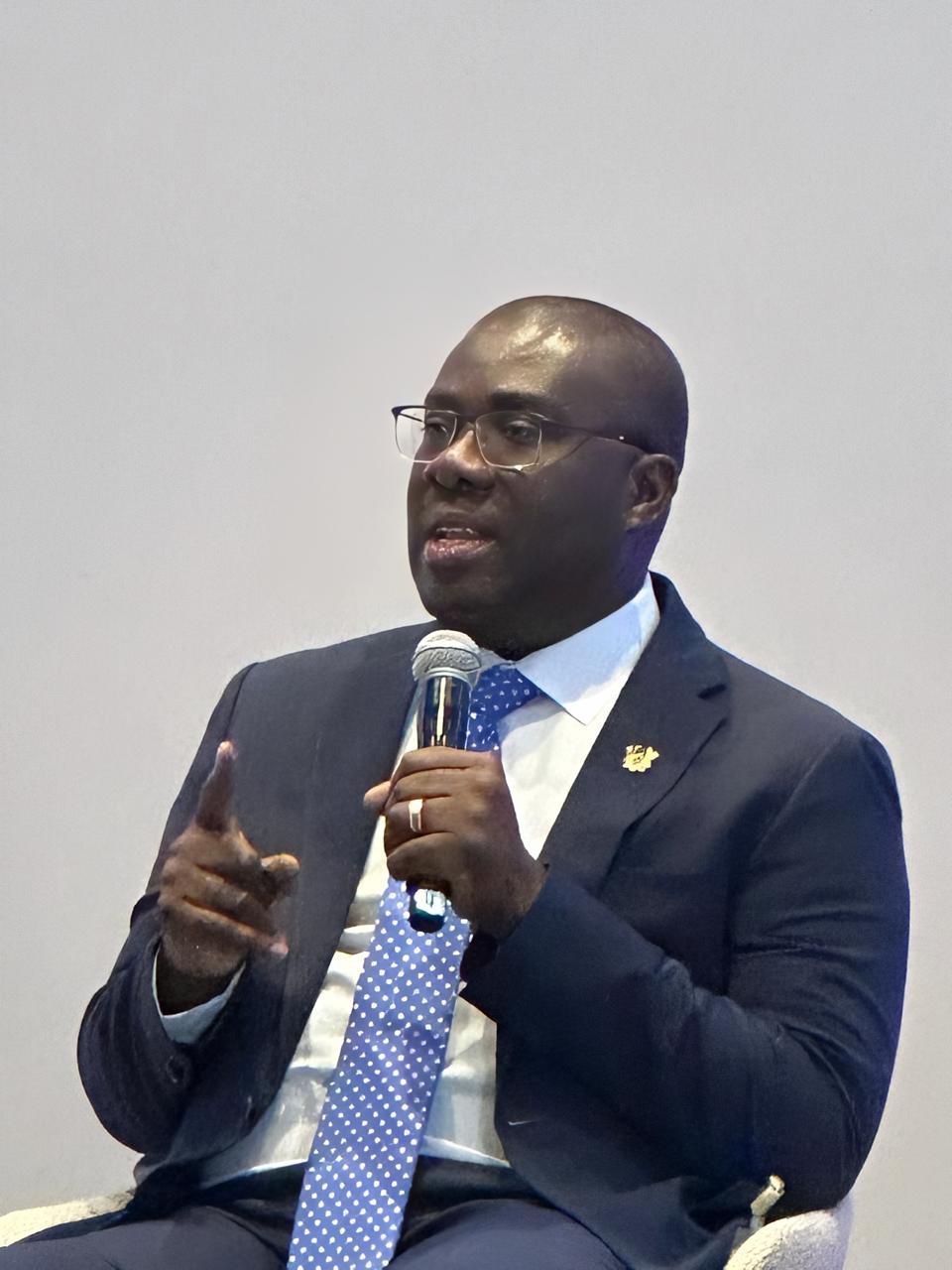
- Former NLA director Sammi Awuku publicly questioned the absence of transport and interior ministers from a presidential anti‑drug summit.
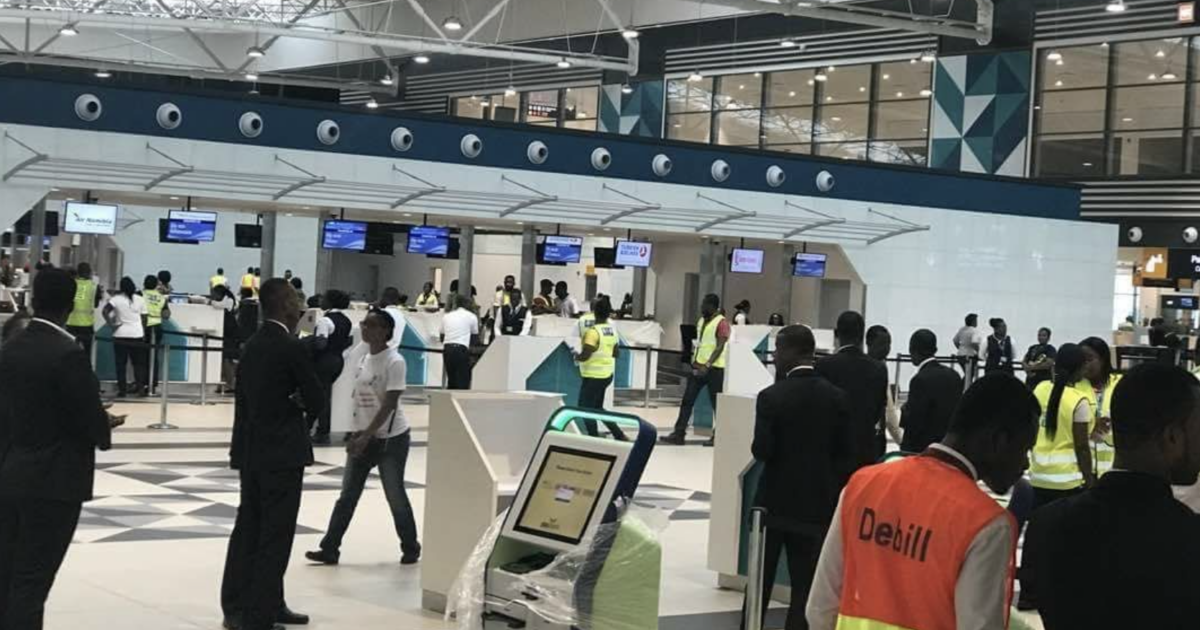
- The meeting included heads of the Ghana Maritime Authority, Ghana Shippers Authority and Ghana Airports Company Limited, as well as the Police Service and Narcotics Control Commission.
- Awuku warned that decisions made without ministerial oversight risk becoming a superficial exercise rather than an actionable strategy.
- He urged President Mahama to anchor future coordination within existing ministries to strengthen Ghana’s response to drug trafficking.
President John Dramani Mahama convened senior officials from several state agencies to address Ghana’s emerging role as a transit hub for illicit narcotics. The gathering, described by officials as a high‑level coordination effort, omitted the ministers responsible for the agencies represented.
Former Director‑General of the National Lottery Authority Sammi Awuku used a Facebook post to highlight the procedural gap, suggesting that the exclusion of the transport and interior ministers undermines the credibility of the initiative.
Background & Context
Ghana’s geographic position along West African coastlines has increasingly attracted transnational drug networks seeking maritime and air routes to Europe and North America. Recent seizures at the ports of Tema and Takoradi have underscored the scale of the problem, prompting calls for a coordinated national response.
Historically, anti‑drug efforts have been channeled through the Ministry of the Interior, with the Narcotics Control Commission leading interdiction and prosecution. Parallel responsibilities for cargo inspection and airport security fall under the Ministry of Transport, creating a natural intersection of authority.
Governance Concerns
Awuku’s critique centers on the principle of ministerial accountability. In Ghana’s constitutional framework, ministers bear ultimate responsibility for policy implementation within their portfolios. Excluding them from a meeting that deliberates on inter‑agency actions raises questions about the chain of command.
Without ministerial endorsement, any resolutions risk being relegated to administrative memoranda rather than binding directives. The risk of duplicated reporting lines and fragmented follow‑up could dilute the impact of enforcement actions.
Implications for Drug Policy
Effective disruption of drug transit routes requires synchronized intelligence sharing, joint operational planning, and clear budgetary allocations. Ministerial leadership can streamline resource deployment, ensuring that maritime patrols, airport screenings, and police investigations operate under a unified strategy.
Awuku’s appeal for a “serious” approach reflects broader concerns among civil society groups that Ghana’s current response may be more symbolic than substantive. Strengthening ministerial involvement could also improve Ghana’s standing in regional bodies such as the Economic Community of West African States (ECOWAS), which monitors cross‑border crime.
Looking Ahead
President Mahama’s administration faces pressure to formalize a minister‑led task force that integrates the transport and interior ministries with existing anti‑narcotics agencies. Such a structure would provide clear oversight and facilitate measurable outcomes.
Stakeholders anticipate that future policy briefs will outline concrete performance indicators, budget commitments, and legislative adjustments to empower ministries in combating the trafficking pipeline.


0 Comments
Leave a Comment
No comments yet. Be the first to share your thoughts!