
Key Takeaways
- Paul Afoko announced his renewed bid for NPP national chairmanship, emphasizing reconciliation.
- The party’s parliamentary seats have fallen from 169 in 2016 to 87, prompting calls for structural reform.
- Afoko proposes a strategy built on discipline, unity and data‑driven campaigning to regain power in 2028.
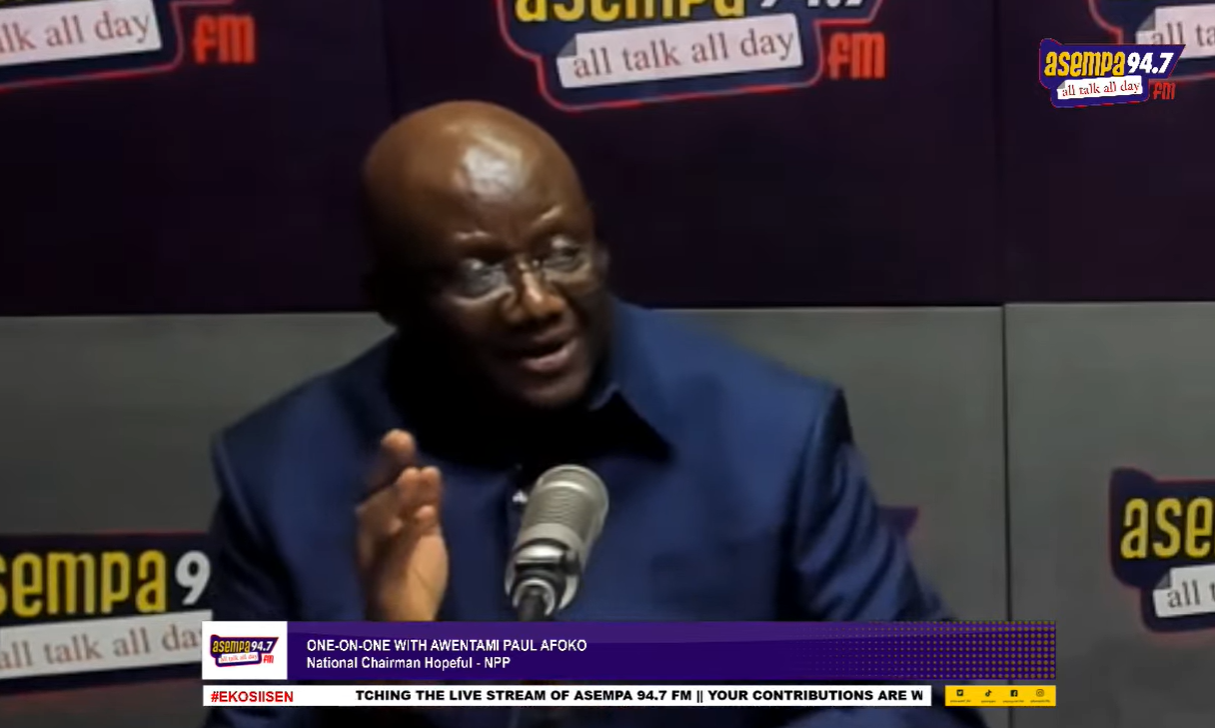
In a recent interview on Asempa FM’s Ekosii Sen, former NPP chairman Paul Afoko framed his candidacy as a turning point for the party. He underscored the need for active participation from all members and dismissed past grievances as obstacles to future success.
Afoko’s remarks arrive as the New Patriotic Party grapples with a steep decline in parliamentary representation and internal factionalism. The upcoming 2028 general election is viewed as a critical juncture for the party’s resurgence.
Background & Context
The New Patriotic Party secured 169 seats in the 2016 parliamentary election, a high watermark that has since eroded to 87 seats after the 2020 and 2024 cycles. Analysts attribute the slide to a combination of voter fatigue, policy missteps and the rise of opposition coalitions. The party’s internal governance has been marked by leadership turnovers, including the suspension of Afoko in 2015 following disciplinary proceedings.
Ghana’s political system, characterized by a competitive two‑party dynamic, places the NPP’s organizational health at the core of national policy direction. Historical patterns suggest that parties that rebuild internal consensus after electoral loss tend to recover within one to two election cycles.
Strategic Vision
Afoko outlined a three‑pillar approach: disciplined candidate selection, data‑centric voter outreach, and a reinvigorated grassroots network. He cited the 2016 victory as evidence that strategic coordination can translate into parliamentary dominance. The plan calls for a centralized campaign command that integrates digital analytics with traditional canvassing.
Political scientists note that such a model aligns with successful turnarounds in comparable democracies, where parties combine rigorous internal audits with transparent funding mechanisms. Afoko’s emphasis on “no emotion” governance seeks to mitigate factional disputes that have previously stalled decision‑making.
Challenges and Party Dynamics
The NPP faces entrenched factionalism, lingering mistrust from past disciplinary actions, and a youthful electorate demanding policy relevance. Afoko acknowledged that his personal credibility will be scrutinized, especially given unresolved allegations from his earlier tenure. He argued that the absence of conclusive evidence should not impede the party’s forward momentum.
Stakeholders within the party’s National Executive Committee have expressed both support and caution. While some members welcome Afoko’s experience, others warn that reliance on a single figure could repeat historical centralization risks. Balancing inclusive decision‑making with decisive leadership remains a central tension.
Looking Ahead
The upcoming nomination process will test the NPP’s capacity to coalesce around a unified platform. If Afoko secures the chairmanship, the party is expected to launch a comprehensive reform agenda by early 2025, targeting candidate vetting, policy articulation and coalition building.
Ultimately, the 2028 election will serve as a litmus test for the NPP’s ability to translate internal reforms into electoral gains. Observers will monitor whether the proposed strategic framework can reverse the seat decline and restore the party’s governing mandate.



0 Comments
Leave a Comment
No comments yet. Be the first to share your thoughts!