
Key Takeaways
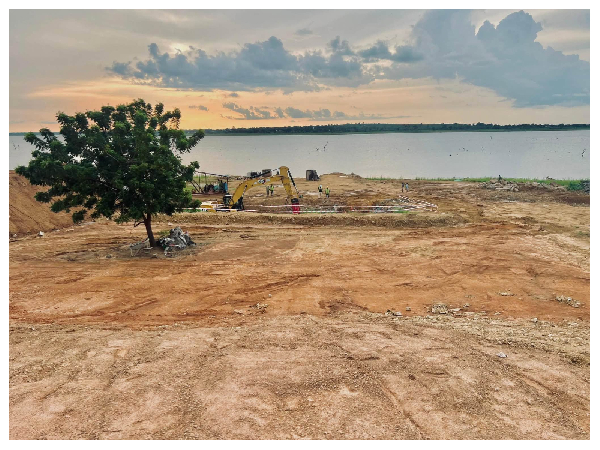
- The 5‑km Dambai Bridge is nearing completion in Ghana’s Oti Region.
- It is one of two major bridges the government is constructing to span water bodies nationwide.
- The structure will reduce travel time and lower transport costs for commuters and freight.
- Analysts anticipate increased agricultural exports, trade flow, and tourism in the surrounding districts.
The government announced on X that the Dambai Bridge will soon be operational, marking a milestone in the Oti Region’s road network. The project forms part of a broader national agenda to close logistical gaps that have long constrained regional markets.
Spanning approximately five kilometres, the bridge replaces a seasonal ferry crossing that has historically limited year‑round mobility. Its completion is expected to integrate remote communities with major highways linking the north and south of Ghana.
Background & Context
Ghana’s post‑independence infrastructure strategy has emphasized east‑west corridors to connect agricultural zones with export ports. The Oti Region, created in 2019, inherited a fragmented road system that hindered investment. Prior bridge projects, such as the Kwame Nkrumah Bridge in the Volta Region, demonstrated the multiplier effect of reliable crossings on local economies.
The Dambai Bridge aligns with the government’s “One District, One Road” initiative, which allocates budgetary resources to underserved areas. Funding combines domestic allocations with concessional loans from development partners, reflecting a multi‑stakeholder approach to financing large‑scale civil works.
Economic Impact
Reduced travel distances translate into lower fuel consumption for transport operators, directly benefiting the cost structure of perishable goods like cocoa, cashew, and horticultural produce that dominate Oti’s agrarian output. Preliminary traffic models project a 30 % increase in freight volume within two years of opening.
Improved access also encourages private sector investment in logistics hubs, warehousing, and hospitality services. Early‑stage surveys indicate that small‑scale traders anticipate expanding market reach to Kumasi and Accra, where demand for regional specialties is growing.
Strategic Implications
Beyond economics, the bridge strengthens national cohesion by linking remote districts to the core transport grid. In security terms, faster deployment of emergency services and law enforcement across the waterway enhances resilience against natural disasters and illicit activities.
The project serves as a template for the second major bridge slated for construction on the Pra River, suggesting a systematic upgrade of Ghana’s internal waterways. Successful delivery may improve Ghana’s credit profile and attract further foreign direct investment in infrastructure.
Looking Ahead
Commissioning is expected before the end of 2026, after which monitoring agencies will assess traffic patterns and maintenance needs. Continuous evaluation will inform policy adjustments for future bridge projects.
Stakeholders emphasize that sustained benefits depend on complementary investments in feeder roads, signage, and border facilities, ensuring the Dambai Bridge functions as a catalyst rather than an isolated asset.





0 Comments
Leave a Comment
No comments yet. Be the first to share your thoughts!