
Key Takeaways
- Cabinet gives the green light for a dedicated manager of the Borteyman Sports Complex.
- The manager will be empowered to attract private investment through a public‑private partnership.
- Facility, built for $145.1 million, has faced criticism over unfinished works and broader stadium neglect.
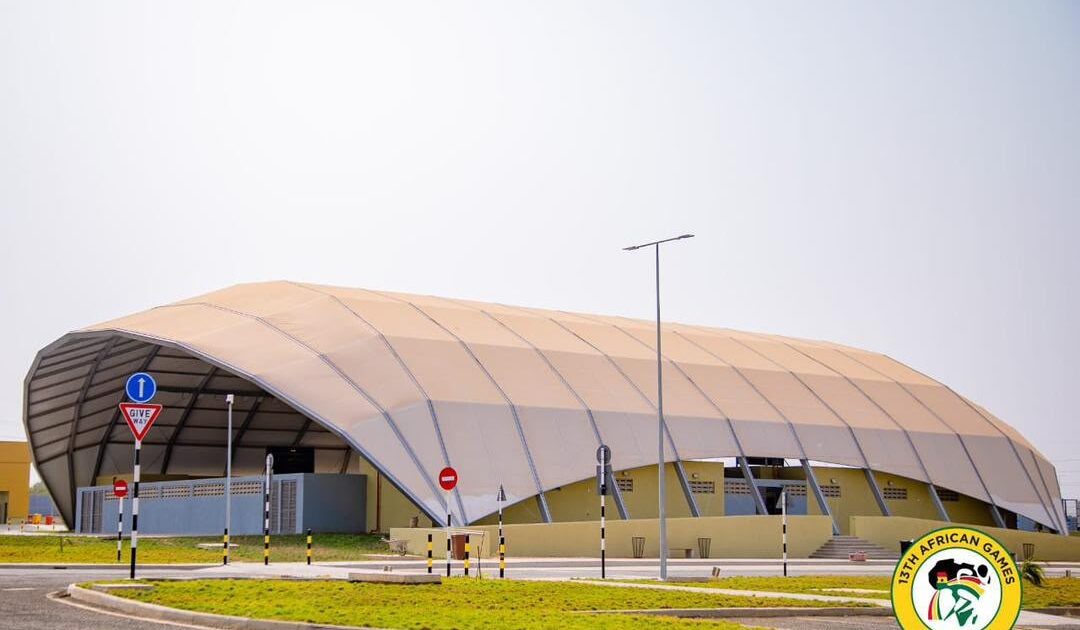
The Ministry of Sports and Recreation announced that the Ghanaian Cabinet has formally approved the appointment of a facility manager for the Borteyman Multipurpose Sports Facility. The decision follows mounting criticism over the venue’s incomplete infrastructure and the deteriorating state of other national stadiums.
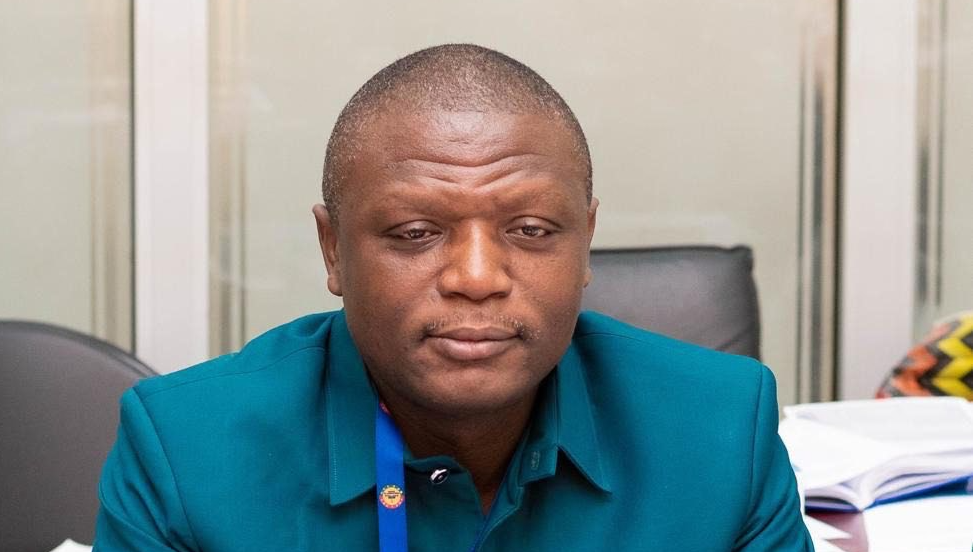
Minister Kofi Adams highlighted that the new manager will not only oversee daily operations but also spearhead resource mobilisation through a public‑private partnership model, aiming to finish pending works and improve long‑term sustainability.
Background & Context
The Borteyman complex was inaugurated in 2024 by President Nana Addo Dankwa Akufo‑Addo as a flagship venue for the 13th African Games. Its design includes a 1,000‑seat swimming arena with a ten‑lane competition pool, an eight‑lane warm‑up pool, and a multipurpose hall capable of hosting basketball, badminton, netball, table tennis and weightlifting.
At a construction cost of $145.1 million, the facility represented a significant public investment intended to raise Ghana’s profile in continental sport. However, reports of unfinished sections and limited operational capacity have sparked public debate about project execution and fiscal oversight.
Management Challenges
Recent assessments have drawn attention to the broader neglect of Ghana’s sporting infrastructure, citing the poor condition of Accra Sports Stadium, Essipong Stadium and Baba Yara Sports Stadium. In this environment, the absence of a dedicated manager at Borteyman has been identified as a gap in governance, contributing to delayed maintenance and under‑utilisation of the venue.
Stakeholders argue that a single point of accountability is essential for coordinating routine upkeep, securing sponsorships, and aligning the complex’s schedule with national and regional events. The appointed manager will be expected to address these systemic issues while navigating bureaucratic constraints.
Public‑Private Partnership Outlook
Minister Adams indicated that the manager will have the authority to negotiate public‑private partnership (PPP) arrangements, a model increasingly employed in African infrastructure projects to leverage private capital for public benefit. Such collaborations could fund the completion of the swimming facilities, upgrade spectator amenities, and introduce revenue‑generating services.
Experts caution that successful PPPs require transparent contracts, clear performance metrics, and robust regulatory oversight to prevent cost overruns and ensure that public interests are protected. If executed effectively, the partnership could set a precedent for future sports‑related developments in Ghana.
Looking Ahead
The appointment marks a pivotal step toward stabilising the Borteyman Sports Complex and restoring confidence in Ghana’s sports infrastructure strategy. Ongoing monitoring of the manager’s performance and the PPP’s progress will be critical indicators of the government’s capacity to deliver on its investment promises.
Long‑term, the facility’s operational success could influence the nation’s ability to host future continental tournaments and stimulate local economic activity through sports tourism.

0 Comments
Leave a Comment
No comments yet. Be the first to share your thoughts!