
Key Takeaways
- NADMO warns of possible flooding in the North East Region due to increased water levels from the Bagre Dam spillage.
- Residents in flood-prone areas are advised to take immediate precautionary measures to safeguard lives and property.
- The organisation urges the public to move valuables, foodstuffs, livestock, and farm equipment away from vulnerable areas.
- NADMO will intensify public education and sensitisation in communities along the White Volta and other vulnerable waterways.
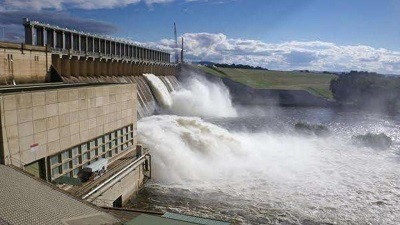
The National Disaster Management Organisation (NADMO) has initiated preparations to mitigate potential flooding in the North East Region following a notification from Burkina Faso that the Bagre Dam will be opened on August 11, 2026.
The planned spillage is expected to increase the volume of water entering Ghana through the White Volta River and its tributaries, potentially raising water levels in communities situated along waterways and other flood-prone locations.
Background & Context
The Bagre Dam is a hydroelectric dam located on the White Volta River in Burkina Faso, which has a significant impact on the water levels downstream in Ghana. The dam's spillage has been a recurring issue, with previous incidents resulting in flooding in communities along the White Volta and its tributaries.
The National Disaster Management Organisation (NADMO) has been working closely with the authorities in Burkina Faso to monitor the situation and provide early warnings to the public. The organisation has also been engaged in public education and sensitisation efforts to raise awareness about the potential risks associated with the Bagre Dam spillage.
Key Findings
NADMO has issued a strong advisory to residents, farmers, fishermen, herdsmen, and other persons living or working along riverbanks and low-lying areas to take immediate precautionary measures to safeguard lives and property. The organisation has also cautioned against entering river channels and floodplains for farming, fishing, animal grazing, or other activities.
Farmers whose farms are located along riverbanks have been encouraged to take steps to harvest their crops early where necessary to minimise losses. The organisation has also urged residents to move valuables, foodstuffs, livestock, and farm equipment away from areas considered vulnerable to flooding.
Broad Implications
The potential flooding caused by the Bagre Dam spillage has significant implications for the North East Region, particularly for communities along the White Volta and its tributaries. The flooding could result in displacement of people, damage to property, and loss of livelihoods.
The incident highlights the need for effective disaster management and preparedness measures in Ghana. NADMO and other relevant authorities must work closely together to provide timely warnings and support to affected communities.
Looking Ahead
NADMO will continue to monitor the situation and provide updates to the public as developments unfold. The organisation will also intensify public education and sensitisation efforts in communities along the White Volta and other vulnerable waterways.
The incident serves as a reminder of the importance of disaster risk reduction and management in Ghana. It is essential that the government and other stakeholders take proactive measures to mitigate the impacts of such incidents and support affected communities.





0 Comments
Leave a Comment
No comments yet. Be the first to share your thoughts!