
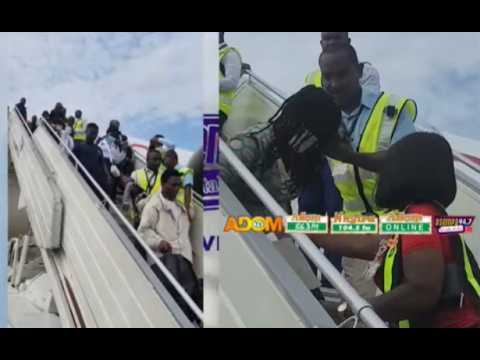
Key Takeaways
- Ghana’s foreign ministry thanked MTN Ghana for a GH¢20 million offer but declined it.
- The government already allocated sufficient resources for the evacuation and reintegration of citizens affected by South African xenophobia.
- A detailed report on the total evacuation cost will be released after the operation concludes.
- Ghana reaffirmed its commitment to a business‑friendly environment for multinational firms.
On 26 August 2026 the Ministry of Foreign Affairs announced that it would not accept a GH¢20 million donation reportedly pledged by MTN Ghana to support Ghanaians displaced by recent xenophobic attacks in South Africa. The statement highlighted that existing budgetary provisions already cover the humanitarian evacuation and subsequent reintegration of returnees.
The decision followed a direct briefing with MTN’s chairman, Dr Ishmael Yamson, and chief executive on 14 August, and it coincides with the ministry’s promise to publish a comprehensive accounting of the evacuation expenses once the mission is completed.
Background & Context
Since early 2026 a wave of anti‑immigrant violence in South Africa has targeted foreign workers, prompting several Ghanaian nationals to seek refuge abroad. The Ghanaian government activated an emergency protocol that includes chartered flights, consular assistance, and cash assistance for returnees. The crisis has strained diplomatic ties between Accra and Pretoria and raised concerns about the safety of Ghanaian migrants in regional labor markets.
MTN Ghana, the country’s largest telecommunications operator, cited corporate social responsibility commitments when its board chair suggested a GH¢20 million contribution. The proposal was widely reported in local media and interpreted as a private sector response to a humanitarian emergency.
Government Response
The ministry’s statement emphasized that the state has already earmarked funds within the Ministry of Finance to cover evacuation logistics, temporary accommodation, and reintegration programmes such as vocational training and counseling. By declining the private offer, officials signaled confidence in the adequacy of public resources and avoided potential complications of coordinating external cash flows.
In addition, the ministry pledged to release a full cost breakdown after the evacuation concludes, a move intended to strengthen public trust and demonstrate fiscal responsibility. The communiqué also reiterated Ghana’s openness to international investors, asserting that corporate contributions will be welcomed when they complement, rather than duplicate, state initiatives.
Broader Implications
The episode illustrates the delicate balance between state authority and corporate philanthropy in Ghana’s development agenda. Accepting a large private donation could set a precedent for future crisis funding, potentially reshaping how humanitarian budgets are sourced. Conversely, the refusal underscores a policy preference for government‑led financing, preserving accountability and reducing reliance on ad‑hoc private aid.
Regionally, the transparent handling of evacuation costs may influence how other West African nations structure their diaspora protection strategies. It also sends a signal to multinational firms that Ghana values predictable regulatory frameworks over sporadic charitable gestures.
Looking Ahead
When the evacuation operation concludes, the ministry’s anticipated cost report will offer insight into the financial scale of repatriating citizens under emergency conditions. The data could inform future budget allocations and shape legislative oversight mechanisms.
Continued dialogue between the government and private sector leaders is likely to focus on complementary roles—such as technology‑enabled tracking of returnees or joint support for reintegration training—while maintaining clear boundaries around fiscal responsibility.




0 Comments
Leave a Comment
No comments yet. Be the first to share your thoughts!