
Key Takeaways
- Escalating campaign expenditures are seen as a structural risk to Ghanaian democracy.
- Draft legislation seeks mandatory disclosure, spending caps, and independent audit of party finances.
- Legal scholars and civil‑society groups stress the need for enforcement mechanisms and public oversight.
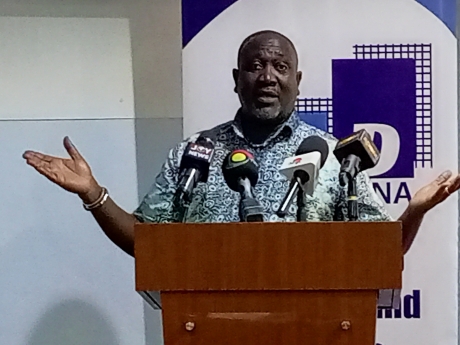
During a workshop hosted by the Ghana Centre for Democratic Development, the executive director of the Africa Centre for International Law and Accountability highlighted the danger posed by unchecked campaign spending. The gathering brought together legislators, party officials, and academics to examine the gaps in the current regulatory framework.
Participants noted that the absence of transparent funding channels has historically enabled patronage networks and foreign influence to seep into electoral contests. The proposed reforms aim to close those loopholes before the next general election cycle.
Background & Context
Ghana’s multiparty system has long been praised for peaceful transitions, yet financing practices remain loosely regulated. Earlier reforms in the early 2000s introduced basic reporting requirements, but enforcement was sporadic and penalties minimal. Comparative studies of West African democracies reveal that nations with stricter funding oversight, such as Senegal, experience lower incidences of post‑election litigation.
Economic indicators show a steady rise in campaign budgets over the past decade, driven by media costs, data analytics, and the proliferation of digital advertising. This trend aligns with global patterns where electoral contests increasingly resemble high‑stakes marketing campaigns.
Legislative Proposal Details
The draft bill outlines three core pillars: compulsory real‑time disclosure of contributions above a modest threshold, a ceiling on total spend per candidate and party, and the establishment of an autonomous electoral finance commission empowered to audit and sanction violations. Legal experts argue that the independence of such a commission is crucial to avoid partisan capture.
Stakeholders also debated the definition of “foreign contribution,” a contentious issue after several high‑profile donations from diaspora networks raised questions about external influence. The proposal recommends a clear prohibition on any funds originating outside Ghana’s borders, with rigorous vetting procedures for overseas entities.
Implications for Democratic Governance
If enacted, the legislation could reshape the competitive landscape by leveling the financial playing field. Smaller parties, traditionally disadvantaged by resource scarcity, may gain greater visibility through mandated equal airtime and spending limits. Conversely, entrenched parties might need to restructure fundraising models, shifting away from opaque patronage toward grassroots contributions.
Beyond electoral mechanics, the reforms signal a broader commitment to accountability in public life. Transparency in campaign finance can reinforce citizen trust, deter corruption, and align Ghana’s democratic practices with international standards set by bodies such as the International IDEA.
Looking Ahead
Parliament is scheduled to debate the bill in the coming months, with civil‑society coalitions prepared to monitor the legislative process. Effective implementation will depend on the political will to empower the proposed oversight body and to allocate sufficient resources for enforcement.
Long‑term success will require continuous public education on the importance of clean financing and vigilant media scrutiny to expose any circumvention attempts.




0 Comments
Leave a Comment
No comments yet. Be the first to share your thoughts!