
Key Takeaways
- National Media Commission urges media spotlight on a draft political campaign finance law.
- The model law proposes state funding for parties and caps on individual contributions.
- Experts warn that unchecked financing fuels patronage, marginalises women and youth, and threatens democratic stability.
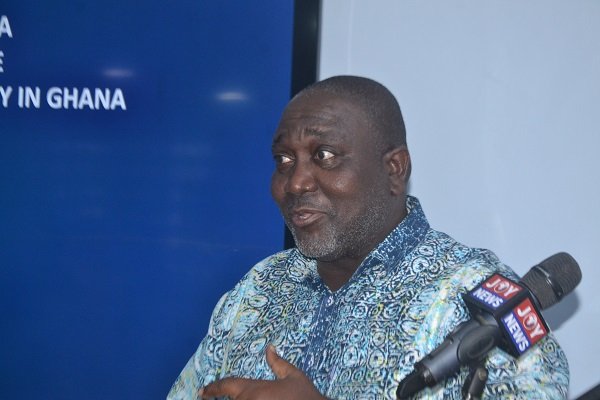
The Executive Secretary of Ghana's National Media Commission, George Sarpong, highlighted the risk that excessive money in politics poses to the country's democratic achievements. Speaking at a CDD‑Ghana media workshop in Accra, he called for vigorous public and expert examination of a newly drafted campaign‑finance model.
Stakeholders from across the political spectrum participated in drafting the proposal, which seeks to balance private funding with state support while imposing transparency safeguards. Observers from civil society and academia underscore the urgency of reform, citing rising campaign costs and opaque funding channels.
Background & Context
Ghana has long been lauded for peaceful transfers of power, yet the financing of electoral contests remains loosely regulated. Existing statutes focus primarily on political parties, leaving individual candidates largely exempt from disclosure requirements. This regulatory gap has enabled affluent donors to exert disproportionate influence, often translating financial backing into preferential access to state contracts.
Historical analyses trace the evolution of Ghanaian campaign finance from informal patronage networks to increasingly sophisticated fundraising mechanisms. The escalation of campaign expenditures over the past two decades mirrors global trends, but the absence of comprehensive legal limits has amplified concerns about equity and accountability.
Proposed Legislative Model
The draft law, prepared by CDD‑Ghana in consultation with parties, civil society, and legal experts, introduces several key provisions: a defined campaign period, caps on contributions from individuals and corporations, mandatory public disclosure of donor identities, and a framework for state funding of parties based on electoral performance. By extending regulatory reach to candidates, the model aims to close loopholes that currently enable indirect financing.
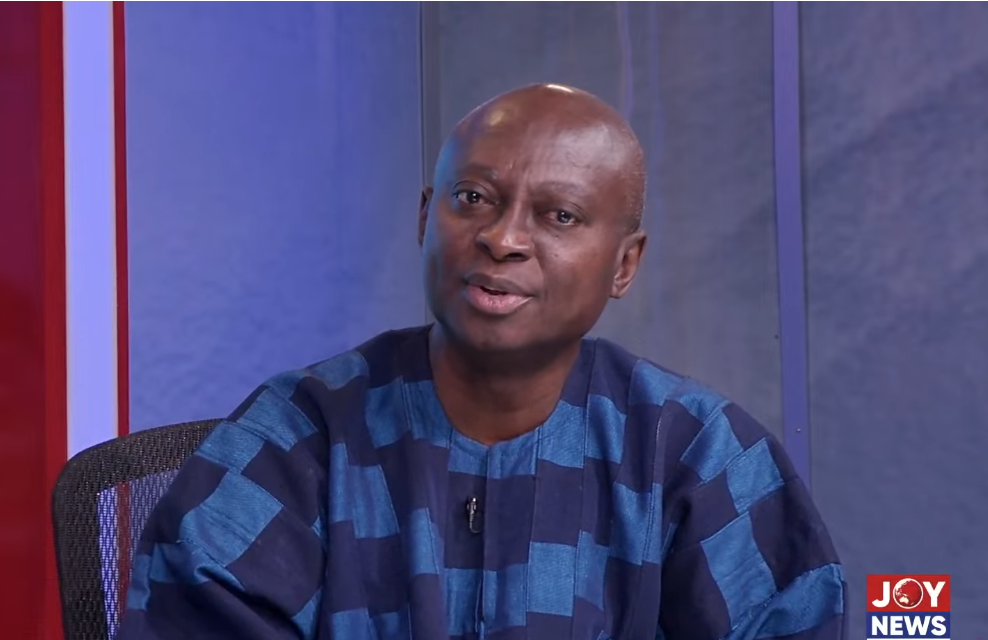
William Nyarko, Managing Director of the Africa Centre for International Law and Accountability, emphasized that transparent funding streams are essential to deter money laundering and organized‑crime infiltration. He noted that the proposed limits would also lower barriers for women, youth, and marginalized groups, fostering a more inclusive political arena.
Implications for Democracy
If enacted, the legislation could reshape Ghana's political landscape by curbing vote‑buying and reducing the incentive for candidates to prioritize donor interests over public policy. Empirical studies suggest that stricter financing rules correlate with higher public trust and more policy‑oriented campaigning.
Conversely, critics warn that state subsidies might entrench incumbent parties if allocation formulas are not meticulously calibrated. Ongoing public debate will need to address the balance between leveling the playing field and preventing government resources from becoming partisan tools.
Looking Ahead
The draft law is slated for parliamentary review later this year. Stakeholder consultations are expected to intensify, with media outlets playing a pivotal role in disseminating the bill's details and fostering informed commentary. Successful passage will depend on consensus building among parties, civil society, and the electorate.
Continued monitoring of campaign finance practices, coupled with robust enforcement mechanisms, will be essential to translate legislative intent into tangible democratic reinforcement.


0 Comments
Leave a Comment
No comments yet. Be the first to share your thoughts!