
Key Takeaways
- No official fare increase has been authorized by the Ghana Private Road Transport Union.
- Drivers in Ashaiman were detained after police confirmed they demanded rates above the regulated schedule.
- Transport authorities have launched a public reporting campaign to deter future extortion.
- Unauthorized hikes risk eroding trust in a sector that carries the majority of daily commuters.
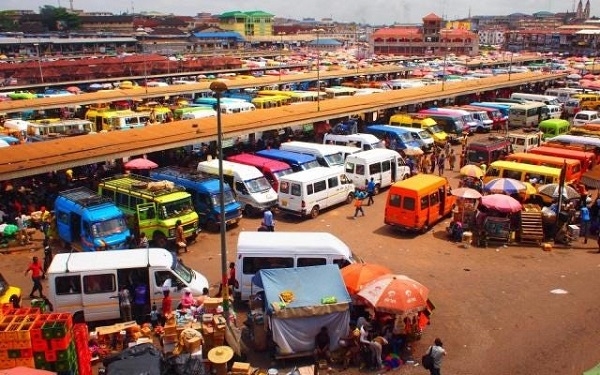
Security officers from the Ashaiman Motor Traffic and Transport Department apprehended a commercial driver and his conductor after passenger complaints revealed systematic overcharging. The incident underscores a pattern of informal fare manipulation that has resurfaced amid rising fuel costs.
GPRTU officials reiterated that any fare revision must pass through a formal consultation process involving the union, the Ministry of Transport, and the National Road Safety Authority. Their statement emphasized that the recent arrests are isolated violations, not evidence of an endorsed policy shift.
Regulatory Framework and GPRTU Position
The union operates under the Road Transport Act, which sets a uniform fare schedule based on distance and vehicle type. Adjustments to the schedule require a public notice period of at least thirty days and approval from the Transport Regulatory Authority. Historically, fare revisions have been tied to macro‑economic indicators such as inflation and fuel subsidies.
GPRTU’s reaffirmation of the status quo reflects its mandate to protect both operators and passengers. By denying any sanctioned increase, the union signals a commitment to price stability, especially for low‑income commuters who rely on trotro and share‑taxi services for daily mobility.
Incidents and Enforcement Actions
In the Ashaiman case, driver Abubakar Fuseini and conductor Majeed were charged with extortion after passengers reported that the pair demanded up to 150 % above the official rate. Evidence gathered by the traffic department included receipts, passenger testimonies, and video footage from a nearby surveillance camera.
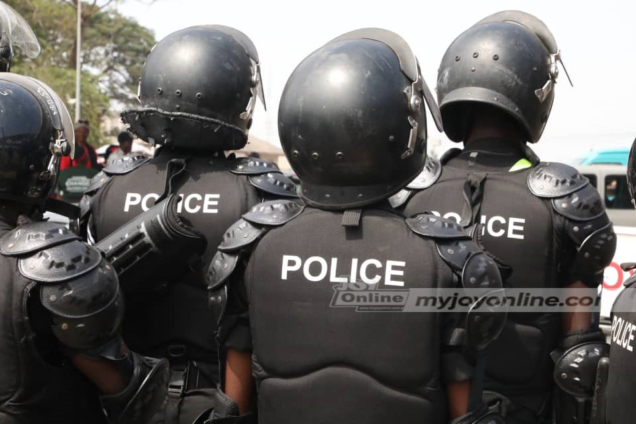
The arrests were coordinated with the local police precinct and the transport union’s disciplinary committee. Both individuals face fines and possible revocation of their operating licences, reinforcing a deterrent message to other operators who might consider similar practices.
Economic and Social Implications
Unapproved fare hikes disproportionately affect informal workers, students, and senior citizens who allocate a sizable portion of their income to transport. Persistent overcharging can trigger a cascade of financial strain, reducing disposable income and limiting access to essential services.
Beyond the immediate economic burden, such practices erode public confidence in the regulatory system. When commuters perceive enforcement as inconsistent, they may resort to informal payment channels, further weakening institutional oversight.
Looking Ahead
Authorities have announced a hotline and an online portal for real‑time reporting of fare violations. Continued monitoring will likely involve random inspections and collaboration with community watchdog groups.
If the reporting mechanism gains traction, it could restore compliance and reinforce the credibility of the fare schedule. Sustained vigilance will be essential to prevent a relapse into informal pricing that could destabilize the sector.




0 Comments
Leave a Comment
No comments yet. Be the first to share your thoughts!