
Key Takeaways
- The Old Achimotan Association has called for clear incentives for alumni, corporate organisations, and private individuals who invest in public schools.
- The Ghana Education Trust Fund is considering measures to reward private investment in education.
- The government has announced plans to allocate US$250 million for infrastructure development in Category 'A' schools.
The President of the Old Achimotan Association (OAA), Joel Edmund Nettey, has stressed the need for a formal framework offering benefits to encourage more people to contribute to public education. He argued that goodwill and personal attachment alone may no longer be enough to sustain the level of investment required to address Ghana's growing infrastructure deficit in education.
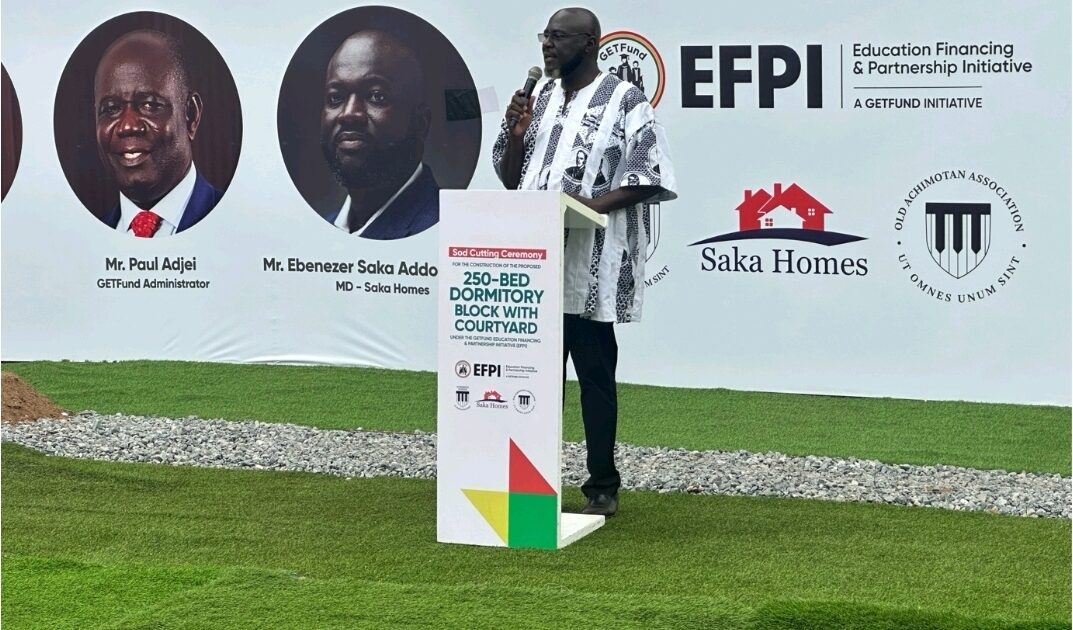
Mr. Nettey made the call at the sod-cutting ceremony for a 250-bed dormitory block at Achimota School, which is being donated by old student and real estate developer, Ebenezer Saka Addo-Mensah, in partnership with the Ghana Education Trust Fund (GETFund) under the Fund's new Education Financing and Partnership Initiative (EFPI).
Background & Context
Ghana's education sector has been facing significant challenges, including a growing infrastructure deficit. The country's second-cycle institutions, such as Achimota School, have seen a rise in enrolment, with student numbers increasing from about 2,000 in 2018 to more than 4,900 currently. This has put pressure on the schools' residential facilities, classrooms, and laboratories.
The OAA has been working to address this challenge, and Mr. Nettey's call for incentives is part of this effort. He believes that a formal framework offering benefits such as tax rebates, discounts, or other recognised incentives could encourage more people to contribute to public education.
Key Findings
The GETFund Administrator, Paul Adjei, has said that the Fund is already considering measures to reward private investment in education. He appealed to the Ministry of Education to provide the necessary policy support to facilitate such incentives.
Education Minister Haruna Iddrisu has commended GETFund for introducing a new approach to financing education. He directed the Fund to set aside a minimum of US$250 million in its 2027 formula for a deliberate infrastructure intervention targeting Category 'A' schools.
Broader Implications
The development of public schools in Ghana has significant implications for the country's economic and social development. Investing in education can help address the skills gap, improve productivity, and reduce poverty. However, the government's ability to provide quality education is often hindered by a lack of resources.
Private sector investment in education can help bridge this gap, but it requires an enabling environment. The introduction of incentives for education investment can encourage more people to contribute to public education, ultimately benefiting the country as a whole.
Looking Ahead
The government's plans to allocate US$250 million for infrastructure development in Category 'A' schools are a step in the right direction. However, more needs to be done to address the growing infrastructure deficit in the education sector.
The OAA's call for incentives is a timely reminder of the need for stronger collaboration between government, alumni associations, philanthropists, and the private sector to close the infrastructure gap. With the right policies and incentives in place, Ghana can build a robust education system that benefits all citizens.






0 Comments
Leave a Comment
No comments yet. Be the first to share your thoughts!