
Key Takeaways
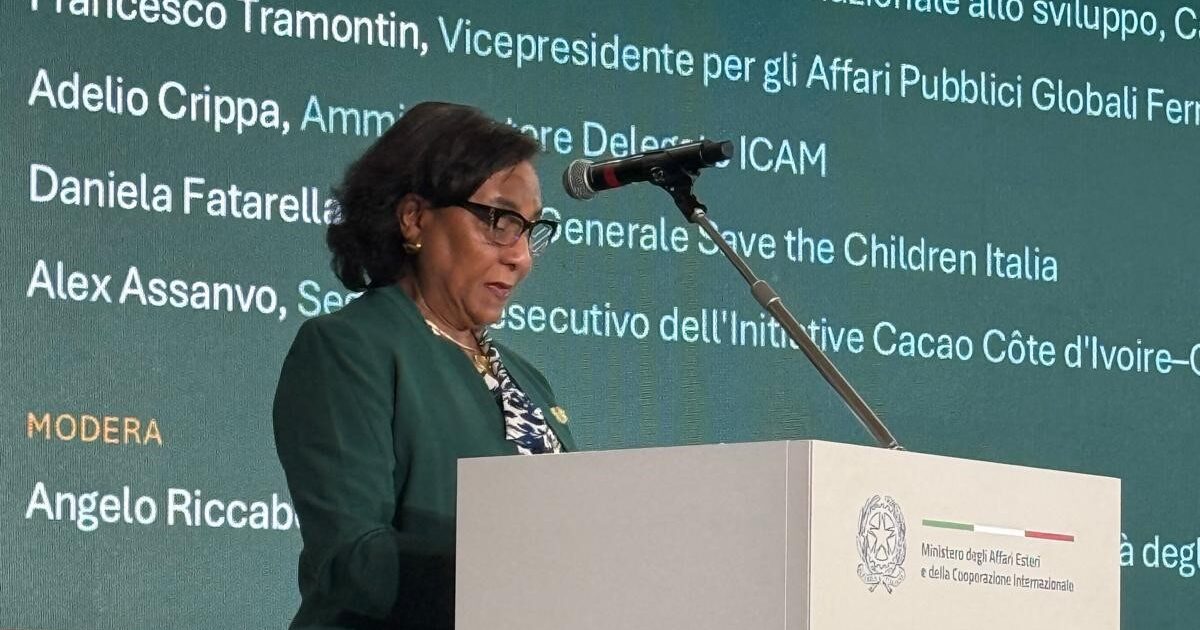
- Ambassador Mona Quartey led a Ghanaian delegation to the Rimini “Cacao Connect” seminar.
- Discussions highlighted Ghana’s high‑quality cocoa standards and the forthcoming Ghana Cocoa Board Bill 2026.
- Partnerships with Italian institutions and industry giants such as Ferrero aim to boost climate‑smart, fair‑trade cocoa trade.
- Economic diplomacy seeks to attract European investment in Ghanaian agro‑processing.
Ghana’s diplomatic mission in Rome dispatched a senior team to the Meeting di Rimini, where the “Cacao Connect: The Italian Way to the Sustainable Cocoa Supply Chain in Africa” seminar convened leading stakeholders from government, finance and the chocolate industry. The delegation, headed by H.E. Mona Quartey, engaged in a series of briefings designed to align Italian market demands with Ghana’s cocoa production agenda.
The agenda extended beyond product promotion, encompassing policy updates and investment frameworks that could reshape the sector’s value chain. By positioning Ghanaian cocoa as a benchmark for quality and sustainability, the embassy signaled a shift toward deeper public‑private collaboration.
Diplomatic Engagement in Rimini
During the multi‑day forum, Ambassador Quartey met representatives from the Ministry of Foreign Affairs and International Cooperation (MAECI) and the Cassa Depositi e Prestiti (CDP). These dialogues explored mechanisms for financing climate‑resilient farming practices and facilitating trade logistics between West Africa and Southern Europe. The ambassador underscored Ghana’s commitment to meeting European certification standards, a prerequisite for expanding market access.
Parallel sessions with industry leaders such as Ferrero and the Italian Confederation of Agricultural and Food Industries (ICAM) examined joint research initiatives on bean quality, disease resistance and carbon‑footprint reduction. The outcomes included tentative memoranda of understanding that could translate into pilot processing facilities on Ghanaian soil.
Policy Spotlight: Ghana Cocoa Board Bill 2026
The summit provided a platform to brief Italian partners on the pending Ghana Cocoa Board Bill 2026. The legislation, poised for presidential assent, intends to restructure the cocoa board’s governance, strengthen farmer cooperatives and create a transparent investment climate for downstream processing. By codifying standards for traceability and fair remuneration, the bill aims to safeguard smallholder livelihoods while attracting capital.
Analysts view the bill as a strategic lever to shift cocoa exports from raw beans toward value‑added products such as chocolate, cocoa butter and specialty powders. The legal framework is expected to streamline licensing, reduce bureaucratic bottlenecks and offer fiscal incentives for foreign entities that establish processing hubs in Ghana.
Strategic Partnerships and Market Outlook
Italian financial institutions expressed interest in funding agro‑industrial parks that could integrate Ghanaian cocoa into European supply chains. Such collaborations would address longstanding gaps in storage, transport and quality control, thereby reducing post‑harvest losses. The ambassador highlighted that a stable, climate‑smart supply chain aligns with the European Union’s sustainability criteria, opening avenues for preferential trade agreements.
Market forecasts suggest that aligning Ghanaian cocoa with premium European brands could command price premiums of up to 15 percent. The combined effect of policy reform, technical assistance and brand positioning is projected to increase farmer incomes and diversify export revenues.
Looking Ahead
Future engagements will focus on operationalizing the memoranda signed at Rimini, monitoring the legislative progress of the Cocoa Board Bill and establishing joint research centers. Continuous dialogue with Italian stakeholders is expected to refine standards, expand financing options and accelerate the transition toward a fully integrated, climate‑resilient cocoa ecosystem.
Successful implementation could reposition Ghana as a cornerstone of Europe’s sustainable chocolate supply, reinforcing the country’s role as a strategic partner in agro‑processing and climate‑smart agriculture.





0 Comments
Leave a Comment
No comments yet. Be the first to share your thoughts!