
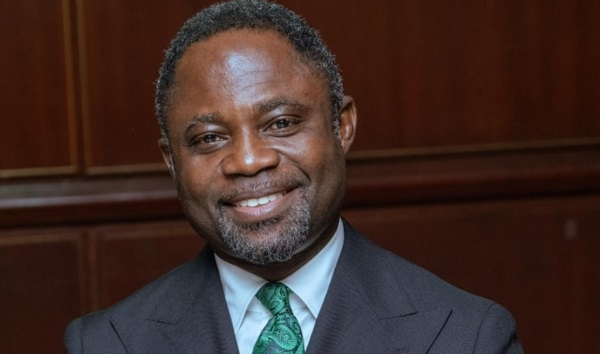
Key Takeaways
- Ghana's Minister of Health, Kwabena Mintah Akandoh, has emphasized the need for stronger collaboration between government and private healthcare providers to address the country's growing cancer burden.
- The minister highlighted several government policies aimed at strengthening the country's response to cancer and other non-communicable diseases.
- The National Health Policy, the Universal Health Coverage Roadmap, and the National Policy for the Prevention and Control of Non-Communicable Diseases are among the key initiatives.
The Ghanaian healthcare system is grappling with a growing cancer burden, with cancer cases rising exponentially over the past decade. In response to this pressing public health challenge, the Minister of Health, Kwabena Mintah Akandoh, has called for more collaborative efforts between government and private healthcare providers.
The minister made this call during a speech at the 45th Annual General Meeting of the Society of Private Medical and Dental Practitioners in Ho on Thursday, August 7, 2026. Cancer, according to the minister, is one of the most pressing public health challenges facing the country and the world today.
Background & Context
Ghana's cancer burden has been a topic of concern for the government and health experts in recent years. According to the World Health Organization (WHO), cancer cases in Ghana have been increasing at an alarming rate, with a significant increase in the incidence of breast, cervical, and prostate cancers.
The government has implemented several policies aimed at addressing the cancer burden, including the National Health Policy, which seeks to improve access to quality healthcare services nationwide. The Universal Health Coverage Roadmap also aims to ensure that every Ghanaian has access to essential healthcare services, including cancer treatment.
Key Findings
The minister highlighted several key findings that underscore the need for collaboration between government and private healthcare providers. These include a significant shortage of cancer treatment facilities, a lack of access to cancer screening services, and a shortage of skilled healthcare professionals.
The minister emphasized the importance of private healthcare providers in addressing these challenges, citing their expertise and resources as critical in improving the country's cancer response.
Broader Implications
The cancer burden in Ghana has far-reaching implications for the country's economy, healthcare system, and overall development. According to estimates, cancer cases in Ghana will increase by 50% by 2030, placing a significant strain on the country's healthcare resources.
The government's response to the cancer burden will have a significant impact on the country's economy, with estimates suggesting that cancer treatment costs will exceed GH₵1 billion by 2030.
Looking Ahead
The minister's call for collaboration between government and private healthcare providers is a crucial step towards addressing Ghana's growing cancer burden. The government's policies, including the National Health Policy and the Universal Health Coverage Roadmap, will play a critical role in improving access to quality healthcare services nationwide.
Private healthcare providers will also play a crucial role in addressing the cancer burden, leveraging their expertise and resources to improve the country's cancer response.






0 Comments
Leave a Comment
No comments yet. Be the first to share your thoughts!