
Key Takeaways
- More than 1.1 million Ghanaians have been engaged through the ministry’s child‑rights awareness drive.
- 291 children identified as vulnerable received counselling, education and shelter across five homes.
- Five comprehensive bills on early childhood, domestic abuse, children’s rights and juvenile justice are slated for Cabinet approval.
- The Child Care Centre placed 16 children in care, with six transitioning to long‑term arrangements.
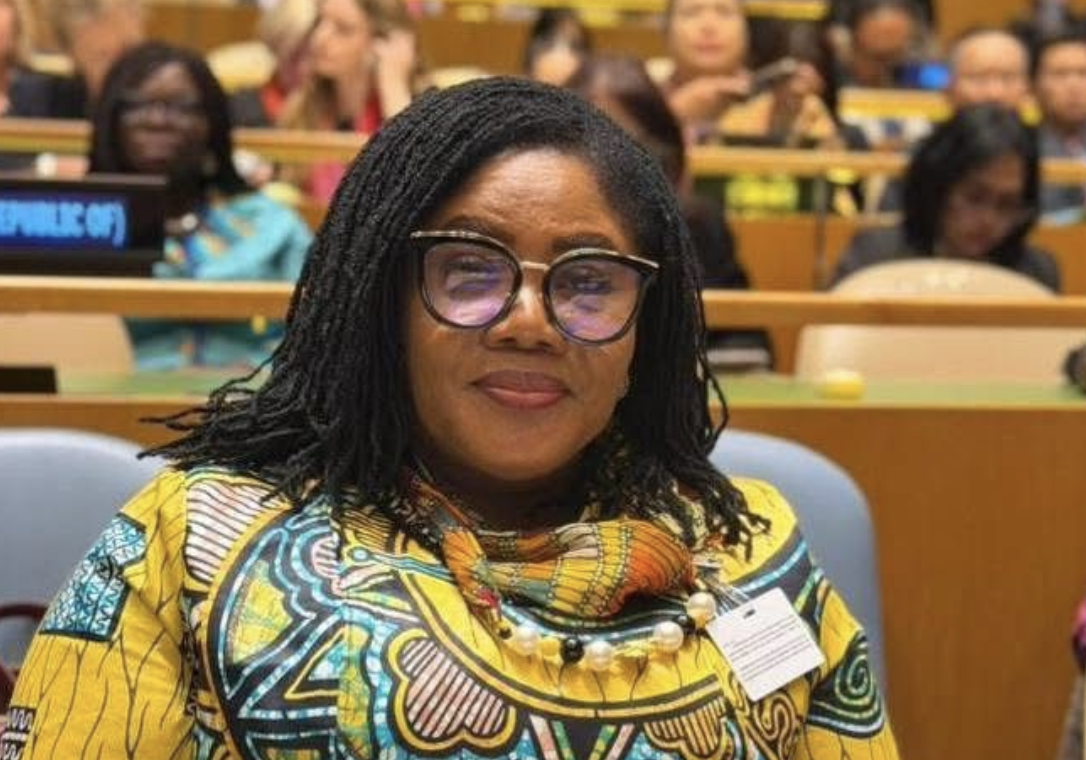
The Ministry of Gender, Children and Social Protection reported that its nationwide outreach has touched over a million citizens, signalling a coordinated push to embed child‑rights principles across Ghanaian society. Minister Dr Agnes Naa Momo Lartey highlighted the dual strategy of mass awareness and targeted interventions for at‑risk youngsters.
Beyond the headline figures, the campaign dovetails with a legislative agenda that seeks to overhaul protective frameworks for children and persons with disabilities, positioning Ghana for compliance with international conventions.
Program Reach and Direct Services
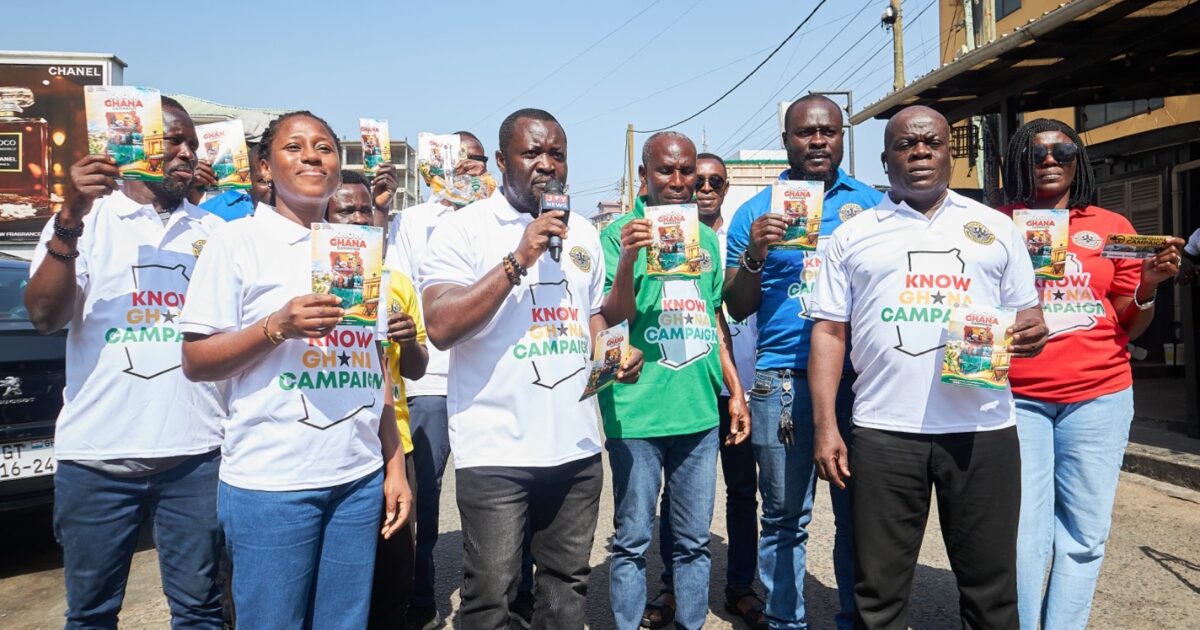
The awareness campaign deployed multimedia messaging, community workshops and school engagements, reaching 1,168,278 individuals in urban and rural districts. By translating legal concepts into locally resonant narratives, the ministry aimed to empower families to recognize and report abuse.
Parallel to the outreach, five residential and sub‑vented homes delivered counselling, education and health monitoring to 291 children deemed vulnerable. The Child Care Centre’s cohort of 16 children received individualized support plans, and six have already secured stable, longer‑term care solutions.
Legislative Momentum
Minister Lartey outlined five bills advancing through Cabinet: the Early Childhood Care and Development Bill, the Domestic Abuse Bill, the Children’s Bill, the Children and Young Persons (Justice Administration) Bill, and the Persons with Disabilities Bill. Each proposal addresses gaps identified in Ghana’s 1992 Constitution and the 1991 Children’s Act, aligning domestic law with the UN Convention on the Rights of the Child.
Stakeholders anticipate that the bills will introduce clearer definitions of child abuse, mandate specialized juvenile courts, and allocate resources for early childhood education. The legislative push reflects a broader regional trend toward codifying child protection in West Africa.
Implications for Child Welfare
Combining policy reform with on‑the‑ground services creates a feedback loop: data from shelters inform legislative priorities, while new statutes reinforce funding streams for community programmes. Experts note that sustained investment in early childhood development yields long‑term socioeconomic benefits, including reduced school dropout rates and improved health outcomes.
International partners have praised Ghana’s integrated approach, citing it as a model for scaling child‑rights initiatives in low‑ and middle‑income contexts. However, implementation challenges such as capacity constraints in rural courts and the need for trained social workers remain.
Looking Ahead
The ministry plans to submit the pending bills to Parliament in the next session, with a target to enact them before the end of the fiscal year. Continued monitoring of outreach impact and service delivery will be essential to translate legal reforms into measurable improvements for children.
Future phases of the campaign will expand digital outreach, strengthen inter‑agency coordination, and prioritize data‑driven interventions to close protection gaps for Ghana’s most vulnerable youth.




0 Comments
Leave a Comment
No comments yet. Be the first to share your thoughts!