
Key Takeaways
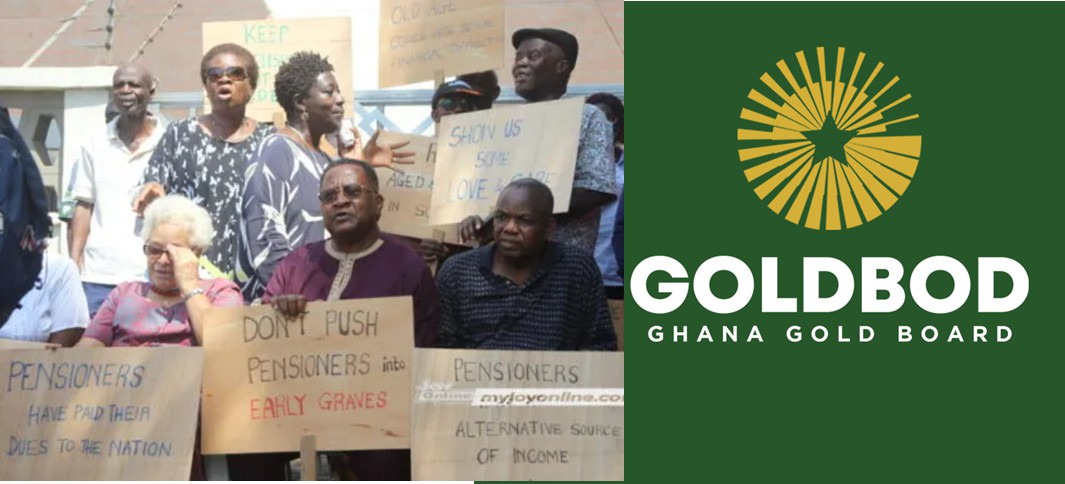
- Domestic bondholders, Eurobond investors and pensioners accepted significant losses during Ghana’s restructuring.
- The concessions created fiscal breathing space that lowered the debt‑to‑GDP ratio and reduced debt‑service costs.
- Economist Godfred Bopkin warns that the newfound fiscal margin will vanish without disciplined spending and investment.
- Historical parallels with the HIPC‑MDLI era highlight the risk of reverting to earlier debt distress.
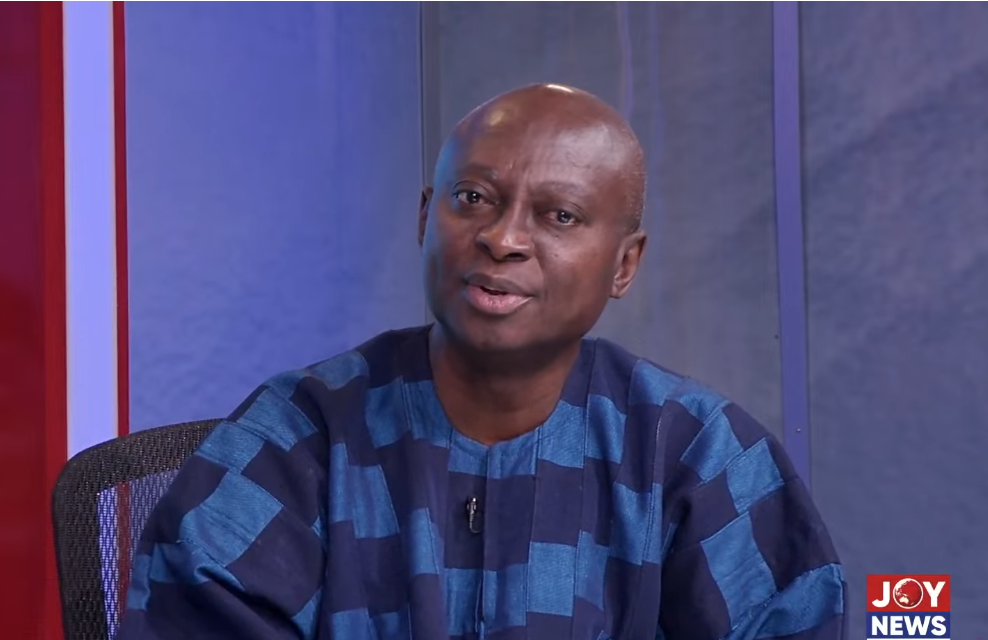
Ghana’s recent improvement in debt sustainability stems largely from a coordinated sacrifice by its creditors. Economist Professor Godfred Bopkin emphasized that the relief was not a product of gold‑backed initiatives but the result of a painful domestic debt exchange and external bondholder adjustments.
The restructuring, which imposed haircuts on pension funds and bondholders alike, generated the fiscal headroom necessary to bring the debt‑to‑GDP ratio down and ease the burden of debt servicing.
Background & Context
In the early 2020s Ghana faced a balance‑of‑payments shortfall estimated at $13.5 billion, prompting an IMF‑supported program. The country’s external liabilities were dominated by Eurobonds, while a sizable domestic bond market and public pension schemes added layers of complexity. Prior attempts at debt relief, notably under the Highly Indebted Poor Countries (HIPC) and Multilateral Debt Relief Initiative (MDRI), had temporarily reduced the debt ratio below 30 % before fiscal slippage forced a return to the IMF in 2009.
The latest restructuring combined a voluntary domestic bond exchange with a negotiated Eurobond haircut. Pensioners, whose contributions fund the national provident fund, absorbed a reduction in expected payouts, a move rarely seen in African sovereign restructurings. The collective concession expanded the fiscal envelope, allowing the government to re‑balance its budget and lower debt‑service outlays.
Stakeholder Sacrifices
Domestic bondholders accepted a loss of principal in exchange for new securities with longer maturities, a strategy that alleviated immediate cash‑flow pressures. Eurobond investors, facing a global tightening of financing conditions, consented to a haircut that reflected Ghana’s elevated risk profile. Pensioners, often politically sensitive constituencies, endured reduced benefits without the ability to influence the terms of the restructuring.
These groups, according to Prof. Bopkin, provided the “fresh air” that enabled the government to pursue a more sustainable fiscal path. Their willingness to bear short‑term pain contrasts with the limited impact of the GoldBod gold‑purchase scheme, which remained marginal during the crisis.
Fiscal Implications and Risks
The immediate effect of the concessions is a measurable decline in the debt‑to‑GDP ratio and a lower share of revenues allocated to debt service. This creates space for public investment in sectors that generate cash flow, such as energy, transportation and agribusiness. However, the economist cautioned that without robust institutional safeguards, the fiscal margin could be eroded by inefficient spending or renewed borrowing.
Historical experience suggests that Ghana’s fiscal discipline must be reinforced through transparent budgeting, debt‑management rules and revenue‑raising reforms. Failure to do so could replicate the cycle that led to the 2009 IMF program, undoing the progress achieved through creditor sacrifices.
Looking Ahead
Policymakers are urged to institutionalize prudent borrowing practices, prioritize projects with high economic returns and strengthen oversight of public expenditures. Continued engagement with both domestic and external creditors will be essential to maintain confidence and prevent a relapse into distress.
The recognition of bondholder and pensioner contributions may also influence future restructuring negotiations across the region, setting a precedent for shared responsibility in sovereign debt solutions.





0 Comments
Leave a Comment
No comments yet. Be the first to share your thoughts!