
Key Takeaways
- Ghana's economic recovery is incomplete without broad-based growth that benefits ordinary citizens.
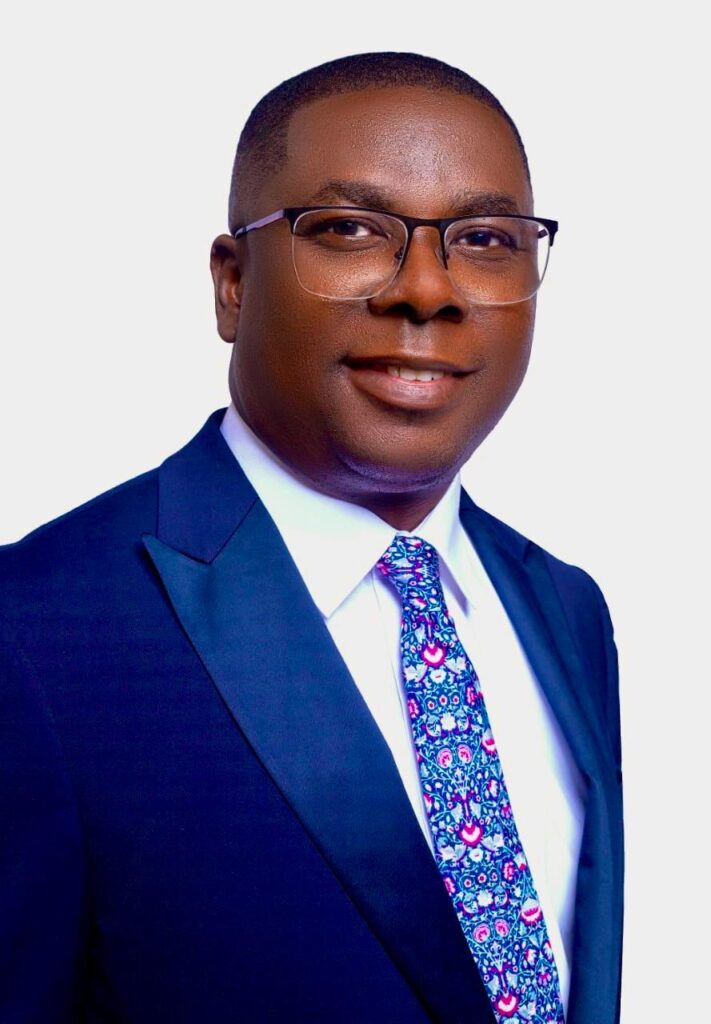
- Dr Gideon Boako, MP for Tano North and Deputy Ranking Member of Parliament's Finance Committee, emphasized this point.
- Economic stability is crucial for achieving shared and inclusive growth.
- Macro-economic indicators must translate into better living conditions for citizens.
Ghana's economic recovery efforts have yielded positive results in terms of macroeconomic indicators, such as GDP growth and inflation rates. However, the benefits of these improvements have not been evenly distributed among the population, leading to calls for more inclusive growth.
Dr Gideon Boako, Member of Parliament for Tano North and Deputy Ranking Member of Parliament's Finance Committee, has sounded a note of caution, urging policymakers to move beyond headline economic improvements and focus on achieving broad-based and inclusive growth that raises living standards.
Background & Context
Ghana's economic growth has been characterized by high inflation rates, fiscal deficits, and a high debt-to-GDP ratio. While these indicators have shown some improvement in recent years, the benefits of growth have largely accrued to a select few, leaving many ordinary citizens behind.
This trend is a cause for concern, as it suggests that economic growth is not translating into better living conditions for the majority of Ghanaians. Dr Boako's comments highlight the need for policymakers to rethink their approach to economic development and prioritize inclusive growth that benefits all segments of society.
Key Findings
Dr Boako's statement emphasizes the importance of economic stability in achieving shared and inclusive growth. Strong and sustainable economic stability is critical for creating opportunities and raising living standards, which are key indicators of broad-based growth.
The MP's comments also underscore the need for policymakers to focus on the human development aspects of economic growth, rather than just macroeconomic indicators. This means investing in education, healthcare, and other social services that benefit ordinary citizens.
Broad Implications
Ghana's economic recovery is not just about achieving positive macroeconomic indicators; it is also about creating opportunities and raising living standards for ordinary citizens. Dr Boako's statement highlights the need for policymakers to adopt a more nuanced approach to economic development, one that prioritizes inclusive growth and human development.
The broader implications of Dr Boako's statement are far-reaching. If policymakers fail to adopt a more inclusive approach to economic development, it may lead to social unrest and political instability, as ordinary citizens become increasingly frustrated with the lack of benefits from economic growth.
Looking Ahead
The government of Ghana must take Dr Boako's statement seriously and adopt policies that prioritize inclusive growth and human development. This means investing in education, healthcare, and other social services that benefit ordinary citizens.
Additionally, policymakers must work towards creating a more stable and sustainable economic environment, one that benefits all segments of society. This can be achieved through a combination of fiscal discipline, investment in human development, and a more inclusive approach to economic development.



0 Comments
Leave a Comment
No comments yet. Be the first to share your thoughts!