
Key Takeaways
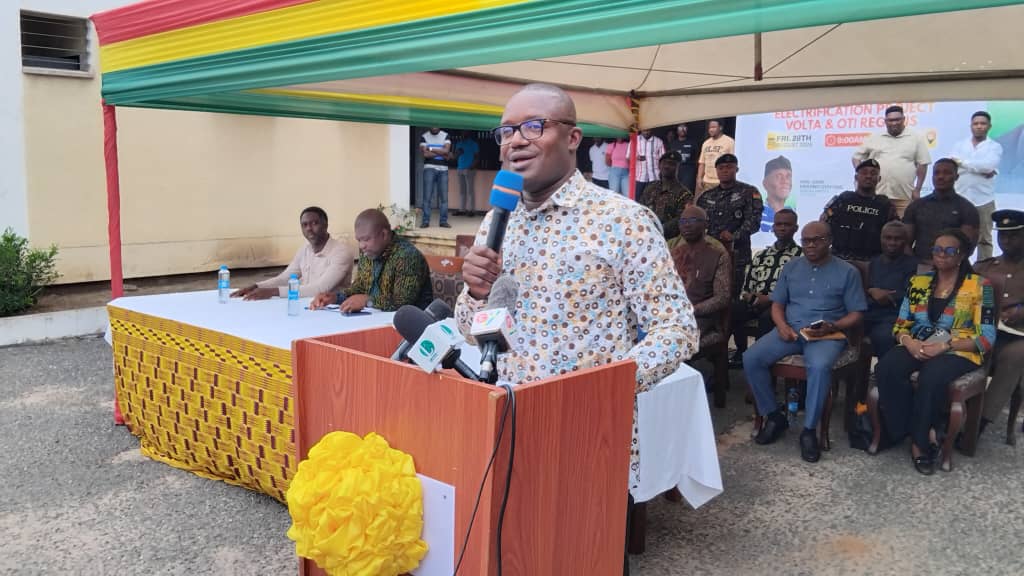
- Minister John Abdulai Jinapor has commissioned an independent inquiry into alleged overbilling in the Volta Region.
- The Public Utilities Regulatory Commission and the Energy Commission will jointly examine meter integrity and billing records.
- Findings could influence future tariff policies and consumer protection mechanisms.
- Government urges public acceptance of the investigation’s outcomes.
John Abdulai Jinapor, Ghana's Minister for Energy and Green Transition, announced a formal investigation into complaints of inflated electricity bills and suspected faulty meters affecting households in the Volta Region. The directive follows a series of consumer grievances that have raised questions about billing accuracy across the national grid.
By tasking the Public Utilities Regulatory Commission (PURC) and the Energy Commission with the probe, the ministry signals a commitment to transparency and regulatory rigor in an industry that has struggled with infrastructure deficits and periodic power outages.
Background & Context
Ghana's power sector has undergone rapid expansion since the 2015 power sector reforms, yet persistent challenges—aging distribution networks, limited metering technology, and tariff volatility—have left many consumers vulnerable to billing errors. Previous incidents, such as the 2020 meter tampering scandal in the Ashanti Region, prompted calls for stronger oversight and modernized metering solutions.
The Volta Region, characterized by a mix of urban centers and rural communities, relies heavily on the national grid for residential and commercial activities. Reports of unusually high bills have sparked community protests, prompting the government to intervene before the issue escalates into broader public unrest.
Investigation Framework
The PURC, Ghana's primary regulator for utilities, will coordinate with the Energy Commission to conduct field audits, review billing software logs, and test a representative sample of electricity meters for technical faults. Independent auditors with expertise in energy economics have been appointed to ensure methodological impartiality.
Data collection will include cross‑referencing consumption patterns with historical usage, verifying the calibration of smart meters, and assessing the integrity of the billing cycle administered by the national distribution companies. The investigation timeline is projected to span twelve weeks, after which a comprehensive report will be released to the public.
Potential Impact on Policy
Should the inquiry confirm systematic overbilling or widespread meter malfunction, policymakers may be compelled to revise tariff structures, accelerate the rollout of advanced metering infrastructure, and strengthen consumer redress mechanisms. Such outcomes could align Ghana's regulatory framework with international best practices endorsed by the International Energy Agency.
Conversely, if the findings indicate isolated incidents rather than systemic failure, the government may focus on targeted remedial actions, such as replacing defective meters and enhancing customer service protocols within distribution companies.
Looking Ahead
The investigation's conclusions will likely shape the next phase of Ghana's energy transition, influencing both domestic confidence in the power sector and foreign investment in renewable projects. Transparent handling of the Volta Region complaints could reinforce the ministry's credibility as it pursues broader green transition goals.
Stakeholders, including consumer advocacy groups and private utilities, are expected to monitor the report closely, anticipating recommendations that balance fiscal sustainability with equitable access to reliable electricity.

0 Comments
Leave a Comment
No comments yet. Be the first to share your thoughts!