
Key Takeaways
- NAIMOS seized 86 Chanfang mining machines, 11 water pumps and dismantled two makeshift structures in Ablebo.
- Three individuals were arrested during the August 22, 2026 operation.
- A 35‑kilometre patrol covered the Nzema East Municipality, mapping the scale of illegal mining.
- The raid aligns with a national campaign to curb galamsey and safeguard regional water resources.
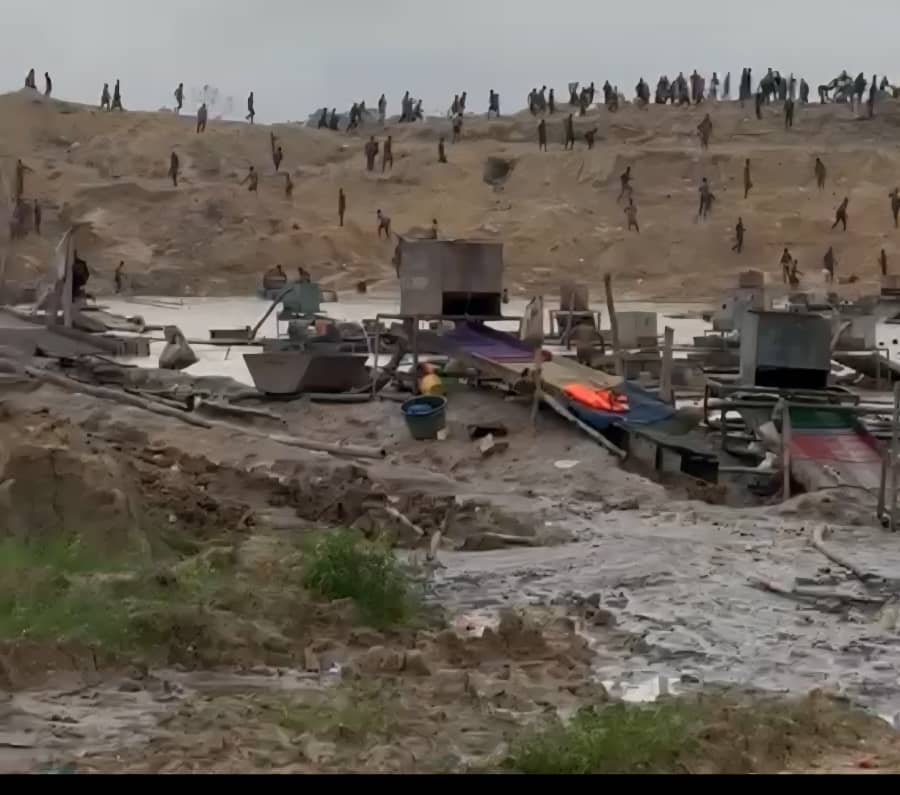
The National Anti‑Illegal Mining Operations Secretariat (NAIMOS) concluded a coordinated raid on August 22, 2026 in Ablebo, a community within the Nzema East Municipality of Ghana’s Western Region. The operation resulted in the destruction of 86 Chanfang machines, the confiscation of 11 water pumps and the demolition of two improvised mining sites.
Three suspects were taken into custody as the agency completed a 35‑kilometre patrol designed to locate, disrupt and dismantle unlicensed mining activities that have long plagued the area.
Background & Context
Illegal small‑scale gold mining, commonly referred to as “galamsey,” has been a persistent challenge for Ghana since the early 2000s. The practice accelerates river siltation, introduces toxic chemicals such as mercury into waterways, and undermines formal mining revenues. Government responses have ranged from legislative bans to the establishment of specialized enforcement bodies, including NAIMOS in 2024.
The Western Region, rich in alluvial gold deposits, has experienced repeated incursions by informal miners. Prior assessments by the Ministry of Lands and Natural Resources estimated that illegal operations accounted for up to 30 % of the nation’s unregulated gold output, prompting intensified surveillance in 2025.
Operational Details
NAIMOS deployed a multidisciplinary team comprising environmental officers, security personnel and technical specialists. The 35‑kilometre sweep employed satellite imagery and ground‑level reconnaissance to pinpoint active sites. Upon arrival, officers seized equipment, disabled hydraulic systems and documented serial numbers for future prosecutions.
The seized Chanfang machines, typically used for high‑volume ore processing, represent a substantial loss of capital for illicit operators. Water pumps, essential for diverting streams, were also removed, reducing the immediate threat to local watercourses.
Three individuals identified as site coordinators were detained and handed over to the Ghana Police Service for further investigation. Preliminary statements indicate that the network extended beyond Ablebo, linking to neighboring districts.
Environmental and Socio‑Economic Implications
Destruction of the equipment curtails sediment runoff that would otherwise exacerbate flooding in downstream communities. Studies by the Ghana Environmental Protection Agency have linked galamsey activities to a 12 % rise in mercury concentrations in the Ankobra River basin over the past decade.
Economically, the raid signals a shift toward formalizing the mining sector. By removing unregulated production, the government aims to increase tax receipts and redirect labor toward legally sanctioned enterprises, potentially improving community livelihoods.
However, the abrupt loss of income for local miners may generate short‑term hardship. Stakeholders have called for complementary livelihood programs to mitigate social disruption while reinforcing environmental safeguards.
Looking Ahead
NAIMOS plans to replicate the Ablebo model across other high‑risk zones, integrating real‑time data analytics to anticipate illegal mining movements. Legislative proposals under review include stricter licensing requirements and heavier penalties for equipment smuggling.
Long‑term success will depend on coordinated efforts among government agencies, civil society and affected communities to balance resource exploitation with ecological preservation.





0 Comments
Leave a Comment
No comments yet. Be the first to share your thoughts!