
Key Takeaways
- Ghana is moving beyond policy ambitions to practical, bankable projects capable of attracting long-term investment.
- Waste segregation at source is the foundation of a successful circular economy.
- Integrated planning across sectors, innovative financing, and public-private partnerships are crucial for building green cities.
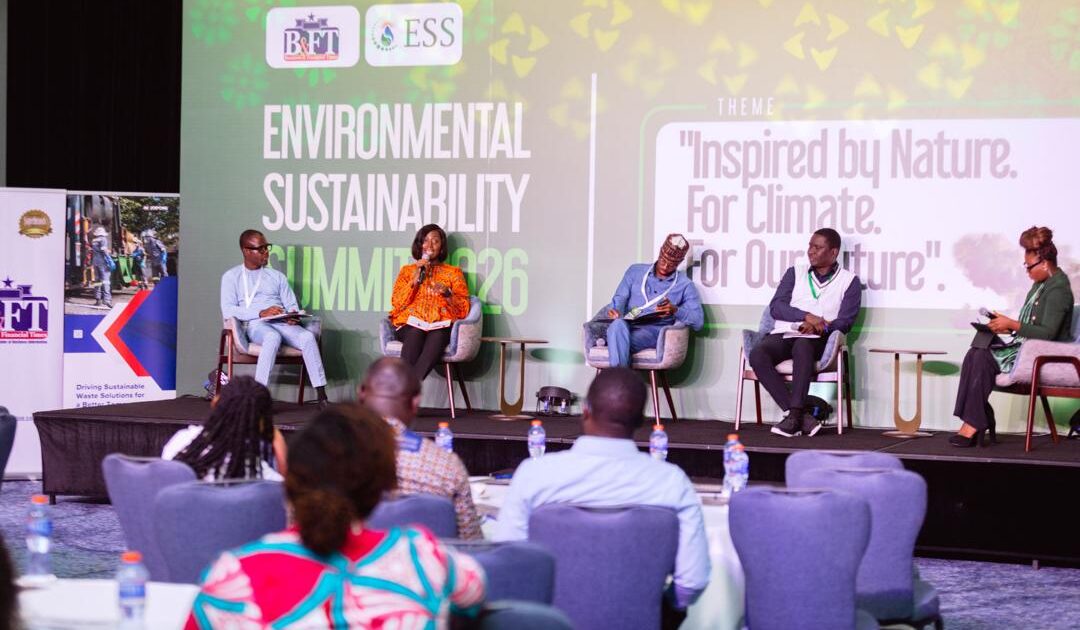
Green cities are not just a vision for a sustainable future but a necessary adaptation to the changing climate. In Ghana, policymakers, sustainability experts, and development partners have been engaged in a high-level dialogue on green urban development, emphasizing the need to transform how cities generate energy, manage waste, finance infrastructure, move people, and protect natural resources.
The discussion highlighted the complexities of building green cities, including inadequate planning, fragmented institutional coordination, and limited financing. Participants stressed that Ghana must move beyond policy ambitions to practical, bankable projects capable of attracting long-term investment.
Background & Context
Ghana has developed several policies on climate action, energy transition, and urban development, but implementation remains slow. The country's Energy Transition Framework recognizes waste management, transport, and energy as critical components of national climate action. However, investment priorities need to shift, with comparatively smaller investments in waste management delivering greater environmental and economic returns.
Representing the Ministry of Local Government, Chieftaincy, and Religious Affairs, Ing. Godfred Fiifi Boadi Esq. observed that countries around the world are pursuing green city agendas, although implementation often differs due to local realities. He argued that investment priorities need to shift, with waste management becoming one of the smartest investments a country can make.
Key Findings
Sr. Sustainability Officer at the Jospong Green Transitions Office, Dr. Gloria Boamah Kusi, emphasized the importance of efficient waste segregation at source in building green cities. She noted that waste should no longer be viewed merely as refuse but as a valuable resource capable of generating new products, renewable energy, and employment when properly managed.
Separating waste at source significantly improves material recovery, making recycling and compost production more efficient. Efficient collection systems should feed Material Recovery Facilities (MRFs), where recyclable materials can be recovered while organic waste is converted into compost for agricultural use.
Broader Implications
Green cities require integrated planning, with waste management, transport, and energy being interconnected sectors that must be planned together for environmental sustainability. Project Manager for Energy Transition and Green Infrastructure at the French Development Agency (AFD) for Ghana and Liberia, Doris Edem Agbevivi, emphasized that every aspect of the green transition must be considered holistically.
Funding remains one of the biggest barriers to sustainable urban development. Development Finance Institutions (DFIs) provide catalytic, patient capital, but only where governments can present credible, well-developed investment plans. We need plans that generate implementable projects, with measurable milestones, clear implementation strategies, and bankable projects.
Looking Ahead
The discussion concluded with a shared message: Ghana possesses the policy frameworks, technical expertise, and growing private sector capacity needed to build green cities. What remains is the political commitment to integrate planning across sectors, mobilize innovative financing, strengthen public-private partnerships, and accelerate investment in circular waste management, renewable energy, and sustainable transport.
Only through such an integrated approach can Ghana build truly green, resilient, and inclusive cities for future generations. By harnessing the value of waste, generating clean energy, and promoting sustainable transport, Ghana can create a better future for its citizens.




0 Comments
Leave a Comment
No comments yet. Be the first to share your thoughts!