
Key Takeaways
- Vacation classes, also known as summer school, are becoming increasingly popular in Ghana, especially among private schools.
- These programs often provide academic revision alongside other activities like coding, robotics, creative arts, and sports.
- The trend raises concerns about balance in education and whether parents are being coerced into paying for additional lessons.
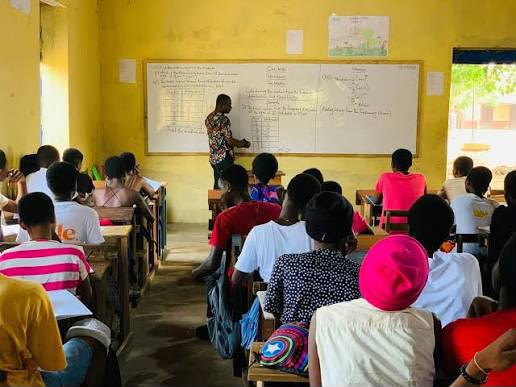
Ghanaian students have traditionally associated the end of the academic term with a break from school. However, this meaning is evolving as more students participate in vacation classes or summer school. These programs offer a mix of academic revision and other activities, raising questions about the purpose of school vacations and the impact on students.
The debate surrounding vacation classes centers on balance in education. While some argue that students should continue learning during their break, others contend that this trend is becoming a business opportunity rather than a genuine educational endeavor.
Background & Context
The concept of vacation classes in Ghana has a long history, dating back to the 1990s when the government introduced a policy banning extra classes organized by individual teachers or groups of teachers on school premises and public buildings. However, this policy was not strictly enforced, and extra classes continued in different forms.
In recent years, private schools have organized summer programs, which have become increasingly popular. A 2024 Ghana News Agency report noted that almost all private schools in Ghana, particularly in Greater Accra, offer summer programs, with some accepting students from outside the school.
Key Findings
Research suggests that the growing culture of vacation classes is driven by several factors, including parental anxiety and the pressure to keep up with peers. Parents who cannot afford these programs may feel forced to pay for their children to avoid falling behind, which can lead to financial burdens and inequality in education.
Furthermore, the trend raises concerns about the role of schools in providing adequate instruction during the normal school term. If regular classroom instruction is inadequate, parents may feel compelled to pay for additional lessons, creating an unofficial additional school fee.
Broad Implications
The vacation class culture has significant implications for education in Ghana. On one hand, it provides opportunities for students to engage in meaningful academic support and develop skills beyond the regular curriculum. On the other hand, it can exacerbate existing inequalities in education, particularly for families who cannot afford these programs.
The real question is whether vacation classes are necessary, genuinely beneficial, and truly voluntary. If the program is thoughtfully designed and provides something the child actually needs, it can be a valuable addition to the educational experience. However, if parents feel coerced into paying for additional lessons, the program may become an unofficial additional school fee, perpetuating inequality in education.
Looking Ahead
Ghana may need to rethink what it wants school vacations to achieve. A vacation does not have to mean abandoning learning; it can provide opportunities for children to learn in ways the classroom may not always provide. By emphasizing the importance of balance in education and ensuring that vacation classes are genuinely optional and voluntary, Ghana can promote a more inclusive and equitable education system.
Ultimately, a school vacation should give children room to rest, grow, and learn differently. It should not become another financial test for their parents. By finding a balance between academic support and relaxation, Ghana can create a more holistic and effective education system that benefits all students.





0 Comments
Leave a Comment
No comments yet. Be the first to share your thoughts!