

Key Takeaways
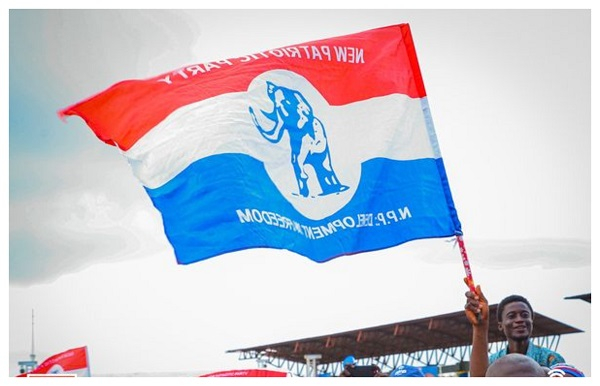
- The New Patriotic Party (NPP) has been accused of enjoying democratic freedoms under the current administration that it allegedly denied the National Democratic Congress (NDC) when it was in government.
- Government Communications official, Dr Samuel Ayeh, argued that the NPP has been allowed to organise demonstrations, hold press conferences and present petitions at the Jubilee House despite previously declaring the area a security zone.
- Dr Ayeh questioned the NPP's criticism of the judiciary, arguing that it was surprising for the party to suggest that the courts had become aligned with the government.
The recent remarks by Dr Samuel Ayeh, Presidential Aide and Government Communications official, have sparked a heated debate over the state of democracy in Ghana. Dr Ayeh's comments come at a time when the country's main opposition party, the New Patriotic Party (NPP), has been criticizing the current administration for allegedly undermining democratic freedoms.
According to Dr Ayeh, the NPP has enjoyed considerable freedom to express its views since leaving government, including holding press conferences and organising demonstrations. He argued that the contrast between the two administrations demonstrated what he described as the NPP's lack of seriousness in its claims about the state of democracy.
Background & Context
The history of Ghana's democratic transitions is marked by periods of political tensions and contestations. The country's transition from a military regime to a democratic government in the 1990s was a significant milestone in its democratic journey. However, the democratic transition has been marred by allegations of human rights abuses, electoral malpractices, and partisan politics.
The current administration has faced criticism from the NPP over its perceived attacks on democratic freedoms. The NPP has accused the government of using security agencies to intimidate opposition figures and suppress dissenting voices. However, the government has argued that it is committed to upholding democratic freedoms and protecting the rights of all citizens.
Key Findings
Dr Ayeh's remarks have highlighted the differing approaches of the two administrations towards dissent and opposition activities. He argued that the NPP has enjoyed considerable freedom to express its views since leaving government, including holding press conferences and organising demonstrations at the Jubilee House. He noted that the NPP had previously declared the area a security zone, preventing protesters from accessing the area.
Dr Ayeh also questioned the NPP's criticism of the judiciary, arguing that it was surprising for the party to suggest that the courts had become aligned with the government. He recalled comments made by the former administration concerning arrests and detentions, including those involving journalists, and asked what had changed under the current government.
Broad Implications
The recent debate over democracy in Ghana has significant implications for the country's democratic transition. The allegations of human rights abuses and electoral malpractices have raised concerns about the legitimacy of the current government. The NPP's criticism of the judiciary has also raised questions about the independence of the country's institutions.
The current administration's response to the allegations has been to emphasize its commitment to upholding democratic freedoms. However, the government's actions have been criticized by opposition figures, who argue that the administration is using security agencies to intimidate opposition figures and suppress dissenting voices.
Looking Ahead
The current debate over democracy in Ghana is likely to continue in the coming weeks and months. The NPP's criticism of the judiciary and the government's response to the allegations are likely to be major talking points in the country's political discourse. The current administration's commitment to upholding democratic freedoms will be put to the test as the country navigates the complex and often contentious world of Ghanaian politics.




0 Comments
Leave a Comment
No comments yet. Be the first to share your thoughts!