
Key Takeaways
- Payroll system will suspend salaries of staff lacking valid NIA numbers after 15 September 2026.
- Human Resource units must verify and correct NIA entries before the deadline.
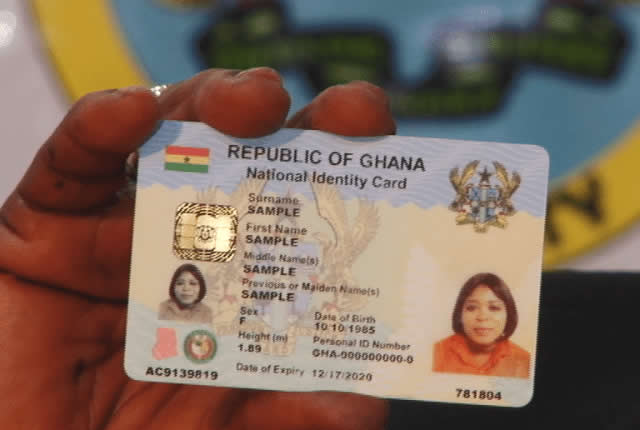
- Physical NIA cards are no longer required; electronic verification will be used.
- Non‑compliance may affect thousands of civil servants across ministries and agencies.
The Controller and Accountant‑General’s Department (CAGD) issued a directive on 24 August 2026 mandating that every government employee’s National Identification Authority (NIA) details be accurately recorded in the central payroll system. Failure to meet the requirement will trigger automatic salary suspension on 15 September 2026.
The measure follows inconsistencies discovered after the rollout of the upgraded Employee Payslip (E‑Payslip) platform, which left a segment of the workforce unable to retrieve their payslips.
Background & Context
The NIA, established under the National Identity Register (Amended) Regulations, 2026 (L.I. 2523), provides a unique identifier for all Ghanaian citizens. Integration of these identifiers into the government payroll was intended to streamline payments and curb fraud.
During the initial phase of the E‑Payslip system, auditors identified mismatches between NIA numbers stored in the payroll database and those held by the NIA, as well as records lacking any NIA reference. The discrepancies prompted the CAGD to intervene before a nationwide employee re‑verification exercise.
Implementation Challenges
Human Resource departments across ministries, departments and agencies (MDAs) are tasked with cross‑checking payroll entries against official NIA records. The process requires submission of correction requests accompanied by a cover letter from the institutional head, adding an administrative layer for each affected employee.
While the directive eliminates the need for physical NIA cards, it places reliance on digital data exchange between MDAs and the CAGD. Institutions must monitor corporate email accounts for flagged lists and act swiftly to avoid payment disruptions.
Implications for Employees and Agencies
Civil servants whose NIA details remain unverified after the deadline will experience an immediate halt to salary disbursement, potentially affecting household finances and service delivery continuity. The policy underscores the government's commitment to data integrity but also raises concerns about bureaucratic bottlenecks.
Agencies that successfully reconcile their payroll data stand to benefit from reduced error rates and smoother financial operations. The initiative may also serve as a template for future digital identity integrations in other public sectors.
Looking Ahead
The CAGD has urged all parties to complete the verification process well before 15 September 2026. Ongoing monitoring will determine whether additional corrective cycles are necessary.
Long‑term, the alignment of payroll systems with the national identity infrastructure is expected to enhance fiscal transparency and support broader e‑government reforms.






0 Comments
Leave a Comment
No comments yet. Be the first to share your thoughts!