
Key Takeaways
- Ghana Airports Company has installed advanced security screening equipment in Terminals 2 and 3 of Kotoka International Airport.
- The new system permits laptops, shoes, belts and liquids to remain in carry‑on bags, reducing queue times.
- An Automatic Tray Return System will accelerate post‑screening repacking.
- Implementation aligns the airport with international best practices and supports its role as a West African hub.
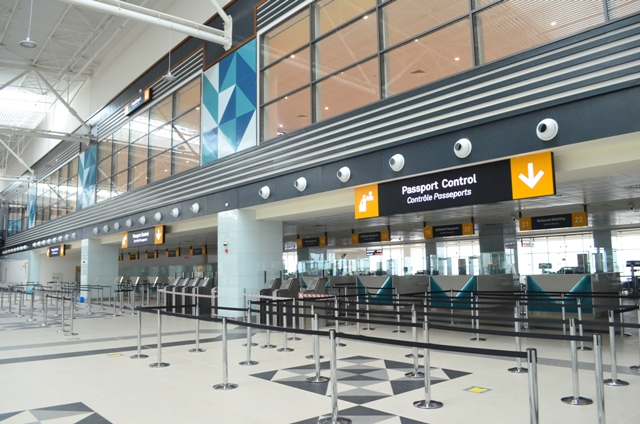
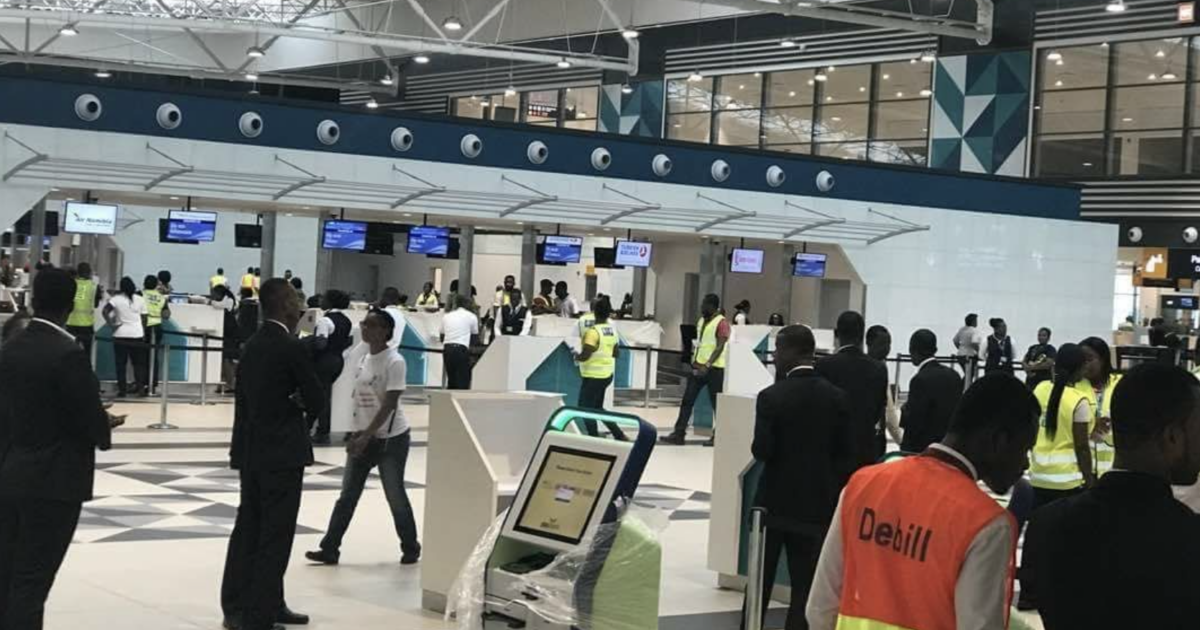
Ghana Airports Company Limited (GACL) announced the rollout of next‑generation security screening technology at Kotoka International Airport’s Terminals 2 and 3. The upgrade is part of a broader strategy to modernise the nation’s aviation infrastructure and improve the passenger journey.
By allowing electronic devices, footwear and compliant liquids to stay inside cabin baggage, the system promises faster processing while preserving the stringent safety standards required for international air travel.
Background & Context
Since its inauguration in 2002, Kotoka International Airport has undergone multiple expansion phases to accommodate rising passenger volumes from intra‑regional flights and long‑haul services. Recent traffic data indicate a steady annual growth of roughly 7 percent, prompting authorities to address bottlenecks at security checkpoints, historically identified as a source of delay.
The adoption of advanced imaging technology mirrors a global shift toward automated, non‑intrusive inspection methods. Airports in Europe and Asia have reported up to 30 percent reductions in screening time after similar upgrades, providing a benchmark for Ghana’s ambitions.
Technology & Operational Changes
The newly installed equipment employs millimetre‑wave scanners capable of detecting concealed threats without the need to remove laptops or other large electronics. Integrated software analyses the scanned volume in real time, flagging anomalies for secondary inspection while allowing the majority of passengers to proceed uninterrupted.
Complementary features include a belt‑and‑shoe‑through protocol, which eliminates the routine removal of these items unless a targeted security profile demands further scrutiny. Liquids, aerosols and gels (LAGs) may also remain sealed within carry‑on containers, provided they comply with the 100‑millilitre limit mandated by ICAO standards.
An Automatic Tray Return System (ATRS) synchronises with the conveyor belt, delivering empty trays back to travelers within seconds. Early trials at the airport recorded a 12‑minute reduction in average queue length during peak periods, suggesting measurable operational gains.
Implications for Travelers and Regional Aviation
For passengers, the streamlined process translates into shorter dwell times and a less invasive security experience, factors that can influence airline choice and overall destination appeal. Business travelers, who represent a growing segment of the airport’s clientele, stand to benefit from the predictability of screening durations.
From a macro perspective, the upgrade reinforces Kotoka International Airport’s positioning as West Africa’s premier aviation hub. Efficient security operations are a prerequisite for attracting additional carrier routes and for meeting the expectations of international partners seeking seamless transit points.
Looking Ahead
GACL plans a phased transition, maintaining legacy equipment alongside the new systems to ensure continuity. Ongoing monitoring will assess throughput metrics, passenger satisfaction and any emergent security considerations.
Future initiatives may extend similar technology to Terminal 1 and integrate biometric verification, further aligning Ghana’s air transport framework with emerging global standards.





0 Comments
Leave a Comment
No comments yet. Be the first to share your thoughts!