
Key Takeaways
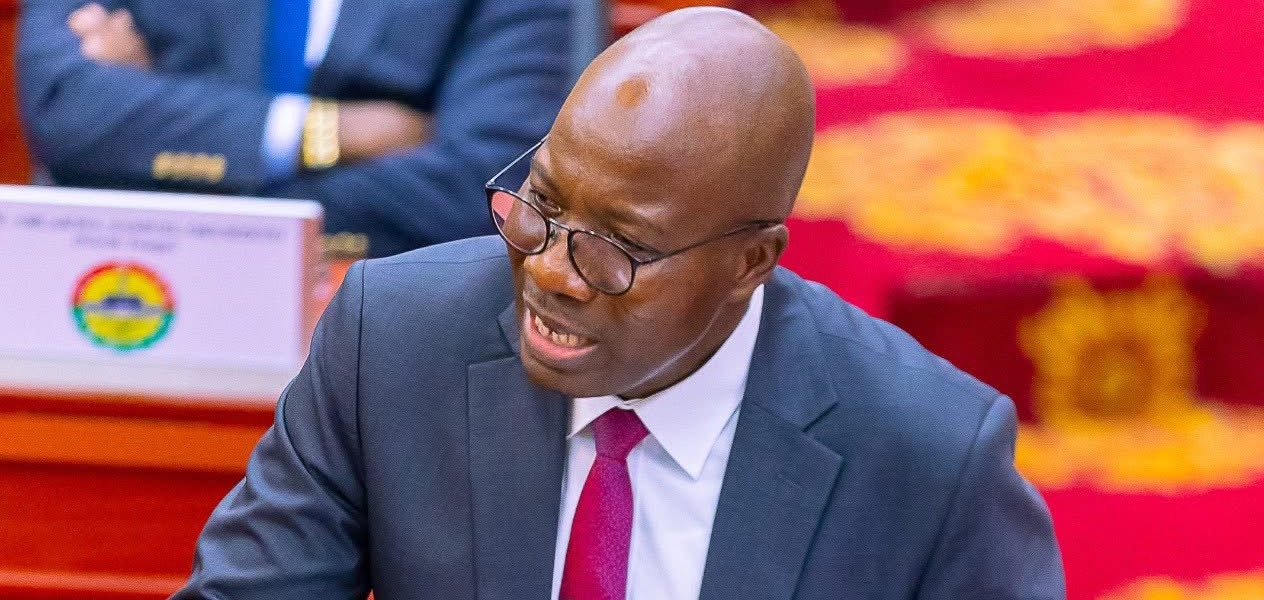
- Outgoing Majority Leader Mahama Ayariga warned against using Parliament to intimidate police or influence investigations.
- He emphasized that elected officials are not above the law and must respect judicial and law‑enforcement autonomy.
- The statement highlights persistent concerns over political interference in Ghana's criminal justice system.
- Ayariga called for equal treatment of ordinary citizens and politicians facing criminal allegations.
On August 24, 2026, Ghana’s outgoing Majority Leader Mahama Ayariga addressed the House of Parliament, asserting that the legislative chamber should not become a venue for pressuring law‑enforcement agencies. He framed the issue as a test of the nation’s commitment to the rule of law, noting that statutes passed by Parliament lose legitimacy if they are not enforced impartially.
Ayariga’s remarks arrived amid public debate over a recent judicial decision to cancel a legal vacation in order to accelerate a high‑profile case. The leader used the occasion to call for a clear separation between political discourse and the operational independence of investigative bodies.
Legislative Responsibility and Rule of Law
The Ghanaian Constitution assigns Parliament the task of crafting legislation while delegating enforcement to the police, the prosecutorial service, and the judiciary. Ayariga reminded members that this division of power is foundational to democratic governance. When legislators attempt to reinterpret police actions as political statements, the balance is disturbed, potentially eroding public confidence in both institutions.
By reiterating that “crime is crime,” the Majority Leader reinforced the principle that legal accountability must apply uniformly. His appeal aligns with international best practices that discourage parliamentary overreach into active investigations, a stance echoed by legal scholars across West Africa.
Historical Tensions Between Politics and Law Enforcement in Ghana
Ghana’s post‑independence history includes several episodes where political actors have sought to shield allies from prosecution or to weaponize law‑enforcement against opponents. The 1990s saw high‑profile cases where parliamentary immunity was invoked to delay judicial processes, prompting reforms that narrowed the scope of such protections.
Recent years have witnessed renewed scrutiny as allegations of large‑scale financial misconduct involve senior politicians. Public perception that politicians receive lenient treatment fuels skepticism toward democratic institutions. Ayariga’s comments therefore resonate within a broader narrative of striving for accountability after decades of intermittent political interference.
Implications for Governance and Public Trust
If Parliament adheres to Ayariga’s counsel, the immediate effect could be a reduction in publicized confrontations between MPs and investigative agencies. Such restraint may enable police and prosecutors to pursue cases without the distraction of partisan commentary, potentially improving clearance rates for serious crimes.
Long‑term, the stance could reinforce Ghana’s reputation as a stable democracy in the region, encouraging foreign investment and aid that often hinge on perceptions of rule‑of‑law integrity. Conversely, any deviation from the principle could reignite calls for constitutional amendments to further delineate parliamentary privileges.
Looking Ahead
The next parliamentary session will test the durability of Ayariga’s warning. Observers will monitor whether party leaders translate rhetoric into procedural safeguards that limit parliamentary debate on ongoing investigations.
Continued dialogue between the legislature, the judiciary, and law‑enforcement bodies will be essential to cementing a culture where political authority coexists with, rather than overrides, legal accountability.

0 Comments
Leave a Comment
No comments yet. Be the first to share your thoughts!