
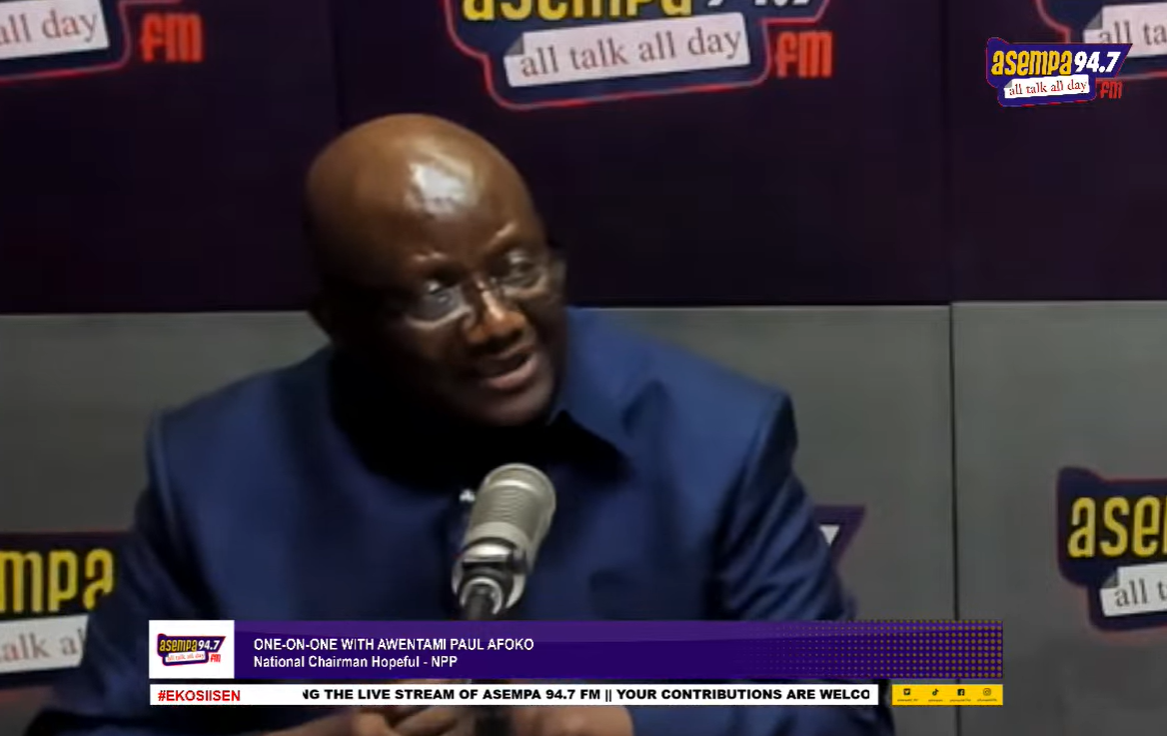
Key Takeaways
- Afoko vows to impose strict internal discipline if elected NPP chairman.
- He outlines a “three Rs” strategy: reunite, re‑energise structures, recapture power.
- Calls for private resolution of disputes and a renewed focus on youth support.
Paul Afoko, a long‑standing member of the New Patriotic Party, announced his platform for the upcoming national chairmanship contest during an interview on Asempa FM. He framed discipline as the cornerstone of a broader effort to restore the party’s electoral competitiveness.
The proposal arrives as the NPP grapples with public infighting and a series of defections that have eroded its image since the 2020 loss to the National Democratic Congress.
Background & Context
The NPP’s defeat in the 2020 presidential race marked the first transfer of power to the opposition in over two decades. Subsequent internal disputes, especially over candidate selections and policy direction, have been aired on media platforms, prompting senior figures to warn of a credibility crisis.
Afoko’s bid follows a lineage of chairmen who have sought to balance grassroots mobilisation with top‑down governance. His emphasis on “total discipline” echoes past calls for party cohesion but adds a procedural dimension by proposing closed‑door mechanisms for grievance handling.
Strategic Pillars: The Three Rs
The first R, reunite, targets factionalism that has manifested in public accusations among MPs and regional executives. By instituting a code of conduct, Afoko aims to curtail “politics of insults” that, according to internal surveys, diminish voter confidence.
The second R, re‑energise structures, involves a systematic audit of constituency offices, youth wings, and digital outreach units. Experts note that modern campaigns increasingly rely on data analytics; revitalising these arms could improve the party’s ability to mobilise swing voters.
The final R, recapture power, is contingent on translating organisational reforms into electoral gains. Historical patterns in Ghanaian politics suggest that disciplined parties are more likely to secure majority legislatures, a trend the NPP hopes to replicate in the 2028 cycle.
Broader Implications
Should Afoko secure the chairmanship, the NPP could present a unified front against the incumbent government, potentially reshaping the parliamentary balance ahead of the next general election. A disciplined opposition may also influence policy debates, forcing the ruling party to address governance issues more directly.
The youth‑centric component of Afoko’s agenda reflects demographic realities: over 60 % of Ghana’s electorate is under 35. Political scientists argue that parties that successfully engage this cohort can achieve sustainable vote‑bank growth, a factor that could determine the 2028 outcome.
Looking Ahead
The chairmanship race is expected to intensify as candidates outline divergent visions for the party’s future. Afoko’s promise of internal discipline will be tested against the practical challenges of managing a large, heterogeneous membership.
Observers will monitor how the NPP’s internal reforms interact with national political dynamics, particularly in relation to coalition building and policy formulation ahead of the next electoral cycle.


0 Comments
Leave a Comment
No comments yet. Be the first to share your thoughts!