
Key Takeaways
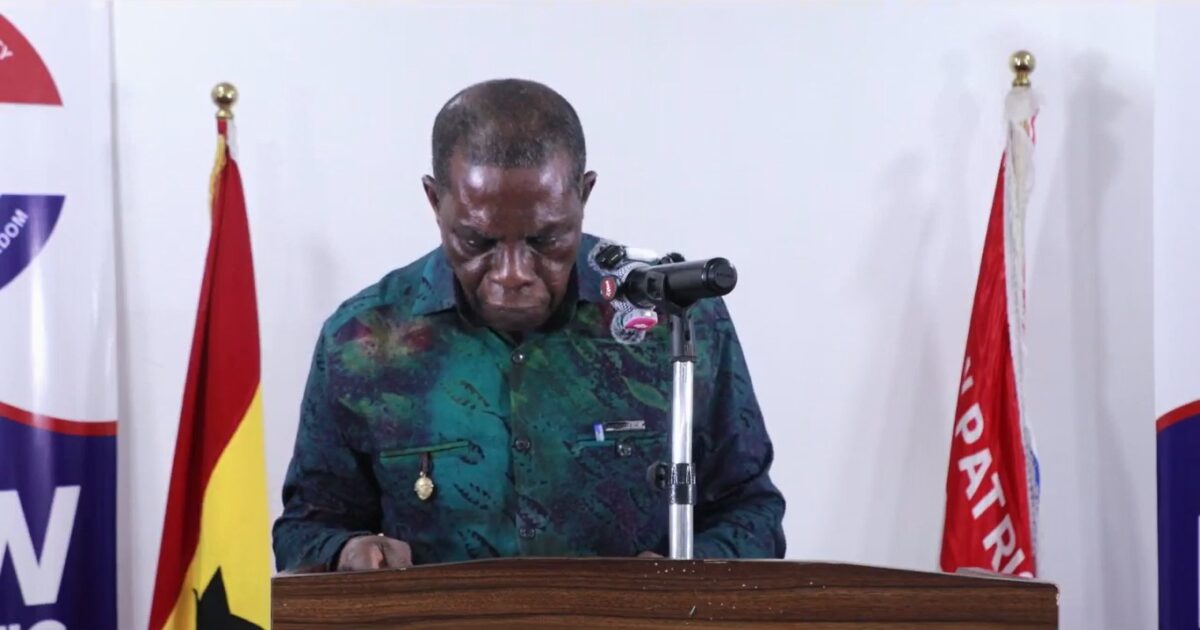
- The New Patriotic Party (NPP) has expressed concerns over restrictions on the use of cocoa farmland under the newly passed Ghana Cocoa Board Bill, 2026.
- The NPP argues that the provisions infringe on the property rights of farmers and landowners.
- The party has called for further scrutiny and broader stakeholder consultation on the legislation before it receives presidential assent.
The Ghana Cocoa Board Bill, 2026, was passed by Parliament on Thursday, July 30, as part of reforms aimed at strengthening the governance and sustainability of the cocoa sector. The Bill is awaiting presidential assent.
However, the NPP has raised concerns that the provisions in the Bill, particularly Clause 81, could expose cocoa farmers to harassment, arbitrary arrests and extortion. The clause restricts the conversion or destruction of cocoa farms for purposes other than cocoa cultivation without prior authorisation.
Background & Context
The Ghanaian cocoa industry has faced numerous challenges in recent years, including deforestation, climate change, and low productivity. In response, the government has introduced several reforms aimed at strengthening the governance and sustainability of the sector. The Ghana Cocoa Board Bill, 2026, is a key component of these reforms, aimed at protecting the interests of cocoa farmers and landowners while ensuring the long-term sustainability of the industry.
However, the NPP has expressed concerns that the provisions in the Bill could have unintended consequences, including the infringement on the property rights of farmers and landowners. The party argues that the restrictions imposed by Clause 81 could lead to harassment, arbitrary arrests and extortion of cocoa farmers.
Key Findings
The NPP's concerns are centered around the provisions in the Bill, particularly Clause 81, which restricts the conversion or destruction of cocoa farms for purposes other than cocoa cultivation without prior authorisation. The party argues that this provision gives cocoa farms protected status and restricts landowners from converting cocoa plantations to alternative uses without the required approval.
The NPP has questioned the justification for imposing such restrictions on farmers and landowners who have invested their own resources in acquiring and developing their properties. The party has also expressed concern that the provisions in the Bill could lead to abuse, arbitrary arrest, extortion at the farm gate, and harassment of an already struggling farming population.
Broader Implications
The controversy surrounding the Ghana Cocoa Board Bill, 2026, highlights the complexities of balancing the interests of different stakeholders in the cocoa industry. The Bill aims to protect the interests of cocoa farmers and landowners while ensuring the long-term sustainability of the industry. However, the NPP's concerns raise questions about the impact of the Bill on the property rights of farmers and landowners.
The controversy also raises concerns about the effectiveness of the reforms aimed at strengthening the governance and sustainability of the cocoa sector. If the Bill is implemented in its current form, it could lead to unintended consequences, including the infringement on the property rights of farmers and landowners.
Looking Ahead
The NPP has called for further scrutiny and broader stakeholder consultation on the legislation before it receives presidential assent. The party argues that the provisions in the Bill need to be reviewed to ensure that they do not infringe on the property rights of farmers and landowners. The government and other stakeholders must engage in further consultation to ensure that the reforms aimed at strengthening the governance and sustainability of the cocoa sector are effective and do not have unintended consequences.





0 Comments
Leave a Comment
No comments yet. Be the first to share your thoughts!