
Key Takeaways
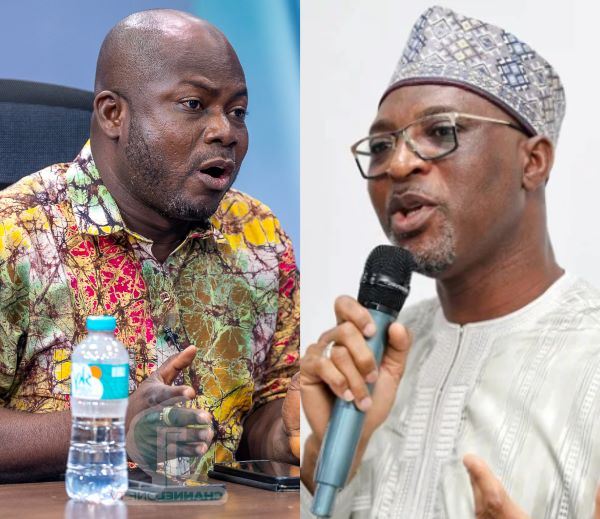
- Interior Minister Mohammed‑Mubarak Muntaka alleged that a prime suspect in the 2024 Nyankpala clashes held the NPP Youth Organiser post in Tolon.
- Haruna Mohammed, senior NPP figure, confirmed the individual once occupied the role but is no longer the constituency Youth Organiser.
- The dispute highlights tensions between government officials and party structures over accountability for election‑related unrest.
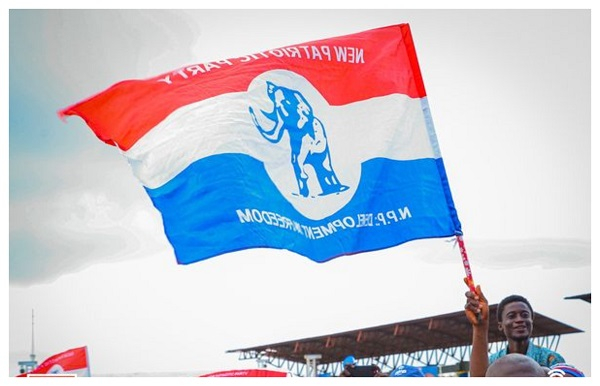
The New Patriotic Party (NPP) publicly challenged statements made by Interior Minister Mohammed‑Mubarak Muntaka on August 24, 2026. Muntaka asserted that Alhaji Abdul Latif Copshe, identified as a prime suspect in the violent incidents that marred the 2024 general election in Nyankpala, was elected as the party’s Youth Organiser for the Tolon constituency.
Haruna Mohammed, a prominent NPP leader, clarified that while Copshe previously served as Youth Organiser, he does not currently hold the position. The clarification seeks to distance the party from any implication of complicity in the alleged misconduct.
Background & Context
The 2024 general election in Ghana was marked by sporadic violence in several constituencies, including Nyankpala in the Tolon district. Allegations of intimidation and clashes between rival supporters raised concerns about electoral integrity and the role of local party structures in maintaining peace.
Youth Organisers within Ghanaian parties wield influence over mobilising young voters and coordinating campaign activities. Their position, though not elected through public office, is decided by internal party elections and carries responsibility for grassroots engagement.
Political Reactions
Minister Muntaka’s remarks were framed as part of a broader effort to identify individuals allegedly responsible for the unrest. By naming a party official, the interior ministry signalled a willingness to scrutinise political actors beyond the formal electoral arena.
The NPP’s swift rebuttal, articulated by Haruna Mohammed, underscores the party’s sensitivity to accusations that could tarnish its reputation. By acknowledging Copshe’s former role while denying current incumbency, the party attempts to balance transparency with internal cohesion.
Implications for Party Governance
The episode raises questions about the mechanisms parties employ to vet candidates for internal positions. If a former Youth Organiser is linked to violent episodes, the NPP may confront pressure to institute stricter eligibility criteria and disciplinary procedures.
Moreover, the dispute illustrates the delicate interplay between state institutions tasked with security and political parties whose members operate within the same communities. Maintaining clear boundaries is essential to preserve public confidence in both the electoral process and law‑enforcement agencies.
Looking Ahead
Future investigations by the interior ministry could determine whether legal action against the suspect proceeds, irrespective of party affiliation. Concurrently, the NPP is likely to review its internal election records to preempt further allegations.
The incident may prompt legislative dialogue on strengthening safeguards against election‑related violence, reinforcing Ghana’s democratic resilience ahead of forthcoming electoral cycles.


0 Comments
Leave a Comment
No comments yet. Be the first to share your thoughts!