
Key Takeaways
- Dr. Rasheed Dramani urges the Ghanaian Parliament to apply the same investigative rigor to its own members as it does to the executive.
- The call comes amid a high‑profile dispute between Minority Leader Alexander Afenyo‑Markin and GoldBod CEO Sammy Gyamfi, highlighting gaps in internal oversight.
- Analysts point to partisan solidarity and the absence of a transparent allegation‑to‑resolution pathway as drivers of declining public trust.
- Dramamani proposes mixed committees of MPs and respected Ghanaian citizens to restore credibility.
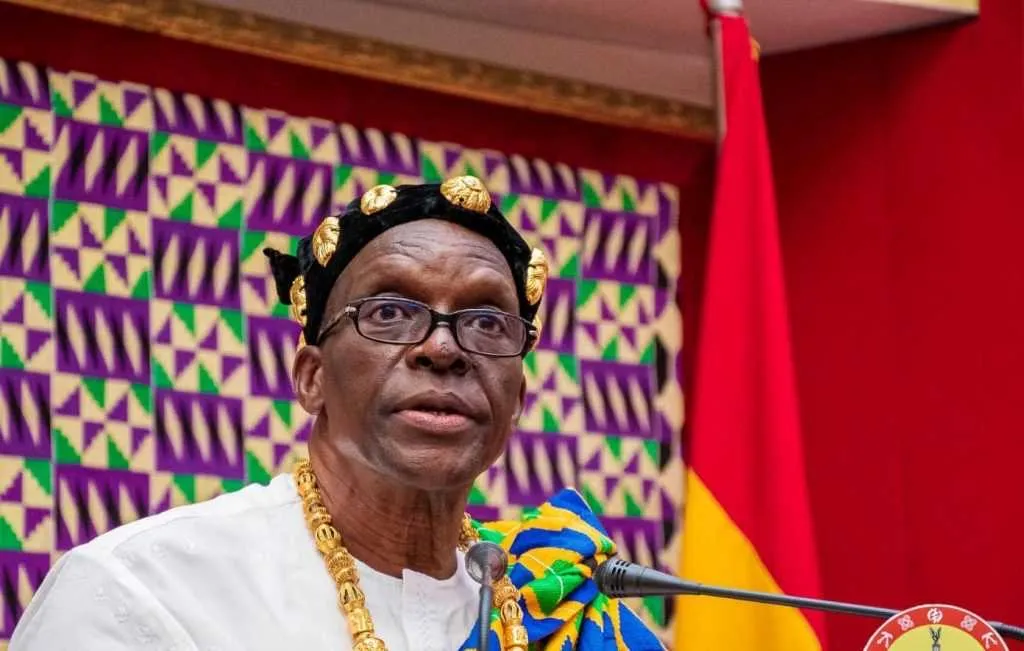
On Tuesday, the executive director of the Africa Centre for Parliamentary Affairs used a national broadcast to press the 280‑member House for a self‑policing model that matches its scrutiny of government ministries. His remarks arrived as Ghana’s parliament operates under a supermajority, a configuration that concentrates legislative power and, according to critics, reduces incentives for internal checks.
The debate intensified after GoldBod’s chief executive accused the opposition’s minority leader of extortion, prompting threats of legal action and a broader conversation about the standards expected of elected officials.
Background & Context
Ghana’s parliamentary system inherited the Westminster model, emphasizing the legislature’s role as the “watchdog” of the executive. Historically, the Public Accounts Committee has been lauded for exposing fiscal irregularities, delivering dozens of hearings each year and recommending the recovery of public funds. Yet the same mechanisms have rarely been directed inward, creating a perception that MPs are exempt from the rigorous audits applied to ministries.
The current supermajority, secured in the 2020 elections, gives the ruling party a decisive edge in passing legislation and shaping committee appointments. While this facilitates policy continuity, scholars note that unchecked dominance can erode the adversarial balance that traditionally fuels robust debate and accountability.
Parliamentary Accountability Challenges
Dr. Dramani identified partisan solidarity as a primary obstacle. When allegations surface, party caucuses often rally around the accused, muting critical inquiry. This collective defense, he argued, replaces the analytical questioning that should accompany any claim of misconduct.
Another systemic flaw is the lack of a transparent procedural roadmap. Past incidents have left the public uncertain about whether complaints progress to formal investigations, what standards guide deliberations, or how sanctions are determined. The opacity fuels cynicism and reinforces the narrative that parliamentary privilege shields members from consequences.
Political calculus further dampens willingness to act. MPs may fear alienating colleagues or jeopardizing future legislative collaborations, leading to a “quietness” that Dr. Dramani described as a tacit agreement to sidestep uncomfortable scrutiny.
Proposed Reforms and Wider Implications
The executive director suggested constituting a hybrid committee that blends parliamentary representatives with eminent Ghanaian figures outside the legislative arena. Such a body could combine insider knowledge of procedural rules with external impartiality, enhancing both credibility and technical competence.
Embedding independent voices aligns with global best practices, where bicameral or cross‑sectoral panels have successfully investigated ethical breaches. By adopting a similar framework, Ghana’s parliament could signal a commitment to restoring public trust and demonstrate that the institution is capable of self‑regulation.
Beyond immediate reputational gains, a robust internal oversight mechanism could deter future misconduct, encourage a culture of ethical responsibility, and reinforce the separation of powers that underpins democratic governance.
Looking Ahead
The coming months will test whether the House translates rhetorical commitments into procedural reforms. Should a mixed committee be established, its findings will likely set a precedent for handling internal allegations and could influence how other African legislatures approach self‑accountability.
Ultimately, the durability of Ghana’s democratic institutions may hinge on their ability to police themselves with the same vigor they apply to the executive, thereby preserving the legitimacy that citizens expect from their elected representatives.

0 Comments
Leave a Comment
No comments yet. Be the first to share your thoughts!