
Key Takeaways
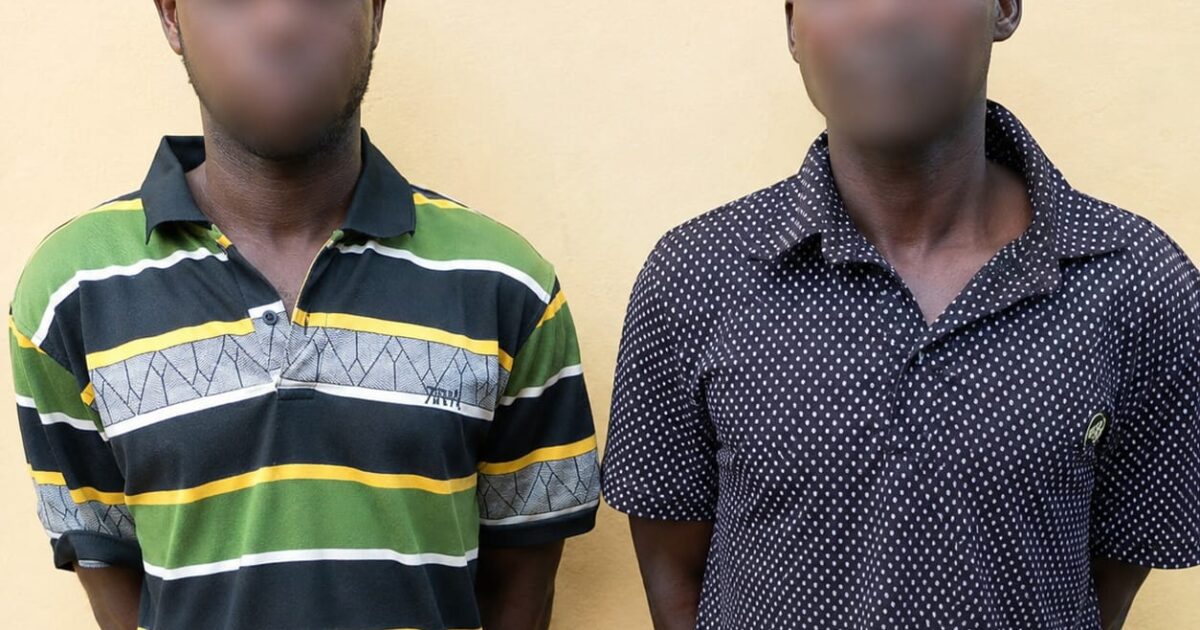
- Two men, identified as 25‑year‑old Majejiba Magne and 34‑year‑old Haruna Nlegle, were apprehended after police tracked them from Dombine toward Chereponi.
- The victims, enskinned chief Naa Ntimla Nwenisim and his son Ntimla Bilaga, were shot dead at their Yidani residence on the early morning of August 14, 2026.
- Forensic evidence included five empty BB cartridges; a post‑mortem confirmed death from multiple shotgun injuries and haemorrhagic shock.
- The Northern Regional Police have deployed a special operations team, intensified patrols, and urged locals to provide information while warning against vigilantism.
The Northern Regional Police Command announced the arrest of two suspects linked to the fatal shooting of chief Naa Ntimla Nwenisim and his son in Yidani, a community within the Gushegu District. The arrests followed a coordinated police operation that intercepted the suspects in Chereponi on August 26, after intelligence indicated they were traveling northward from Dombine.
Authorities recovered the bodies of the chief and his son with clear signs of shotgun trauma. A forensic examination at Tamale Teaching Hospital on August 17 established that both victims succumbed to multiple gunshot wounds and subsequent haemorrhagic shock, underscoring the lethal nature of the attack.
Background & Context
In northern Ghana, enskin chiefs serve as custodians of traditional authority, land tenure, and local dispute resolution. The murder of an enskinned chief therefore reverberates beyond the immediate family, unsettling customary governance structures and community stability. Yidani, situated in a region historically affected by inter‑clan tensions and sporadic criminal activity, has seen heightened security concerns in recent years.
The early‑hour intrusion reported by police—three armed men demanding access to the chief’s quarters before opening fire—mirrors a pattern of targeted violence that has plagued several northern districts. Such incidents often prompt swift police responses, yet they also expose gaps in intelligence gathering and rapid response capabilities.
Investigation Progress
Following the discovery of the bodies, the Northern Regional Police deployed a special operations unit to the scene, securing the crime location and collecting forensic evidence, including five spent BB cartridges. The Inspector‑General of Police authorized the deployment, reflecting the case’s high priority.
Intelligence received on August 26 pinpointed the suspects’ route, enabling officers in Chereponi to intercept them before they could cross into neighboring districts. Both suspects have been transferred to the Yendi Divisional Command, where they remain in custody and are assisting investigators.
Police officials have emphasized that the investigation remains open, seeking additional witnesses and any corroborating evidence that could identify accomplices or reveal motives behind the attack.
Broader Implications
The killing of a traditional leader can destabilize local governance, potentially prompting power vacuums or disputes over succession. Moreover, the incident raises concerns about the proliferation of illicit firearms and the use of shotgun ammunition in rural Ghana, a trend linked to cross‑border smuggling and intra‑regional crime networks.
Community response has been cautious; authorities have warned against reprisals and vigilantism, urging residents of Yidani, Dombine, Gushegu, and Chereponi to cooperate with law enforcement. Maintaining public order while delivering justice is critical to preventing a cycle of retaliatory violence.
Looking Ahead
Police continue to canvass the affected communities for information, promising thorough prosecution of anyone found culpable. The ongoing presence of special operations teams and intensified patrols signals a commitment to restoring security and confidence in the rule of law.
Future investigations will likely focus on tracing the origin of the firearms used and assessing whether the attack was an isolated crime or part of a broader pattern of targeted violence against traditional authorities in northern Ghana.




0 Comments
Leave a Comment
No comments yet. Be the first to share your thoughts!