
Key Takeaways
- Police pickup carrying seven suspected cannabis users collided with a trotro at KNUST traffic light.
- High‑speed approach with siren ignored a green signal for the trotro, causing injuries to officers, detainees and passengers.
- Victims were taken to KNUST Hospital; no fatalities were reported.
- The crash disrupted campus traffic until police cleared the scene.
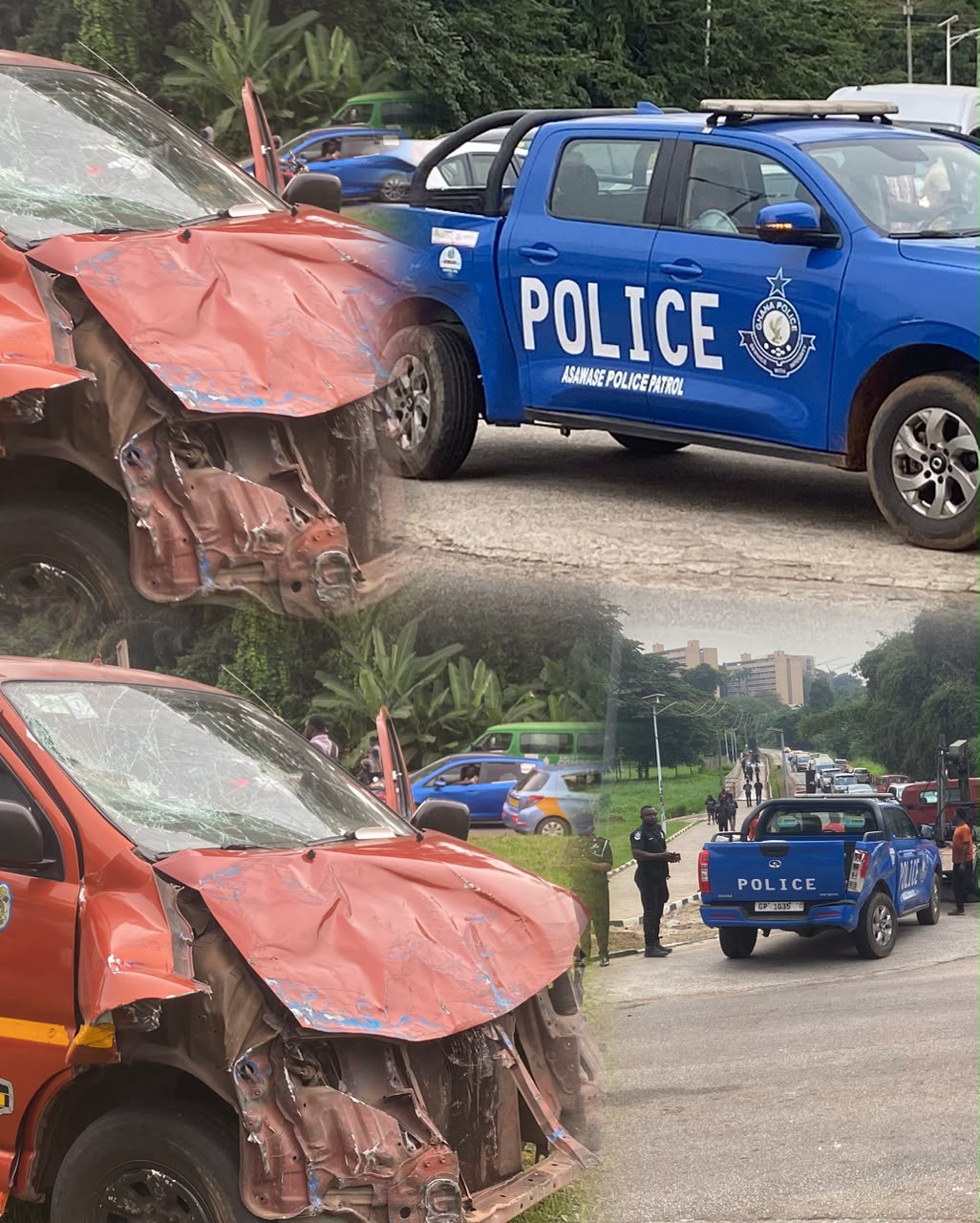
A police pickup (registration GP 1035) transporting seven individuals arrested for cannabis consumption entered the KNUST traffic light leading to Ayeduase at high speed. The vehicle struck a trotro (registration AS 37 55-22) that had the right of way, resulting in a multi‑person collision.
Eyewitnesses reported that the police vehicle sounded its siren while crossing the intersection, despite the traffic signal turning green for the trotro. Emergency services rushed the injured to KNUST Hospital, where they received treatment. No deaths were recorded.
Incident Details
The collision occurred during a routine operation to move suspected cannabis smokers to a police station. The police pickup, designed for rapid response, apparently failed to observe the traffic signal, a breach of standard road safety protocols for law‑enforcement vehicles. The trotro, a common public minibus, was carrying regular commuters who were caught in the impact.
Medical reports indicate that a police officer sustained serious injuries and required immediate transport by campus petrol cars. Several detainees and trotro passengers suffered minor to moderate injuries, prompting a temporary shutdown of the affected road segment.
Legal and Procedural Context
Cannabis possession remains illegal in Ghana, with penalties ranging from fines to imprisonment. The arrest of the seven individuals reflects ongoing enforcement efforts, yet the incident raises questions about the handling of detainees during transport. Protocols typically mandate that police vehicles adhere to traffic regulations, especially when sirens are active, to prevent endangering civilians.
Legal analysts note that any deviation from traffic law by officers can trigger internal investigations and potential liability claims. The presence of injured detainees may also influence judicial considerations regarding the proportionality of police actions during arrests.
Campus Safety Implications
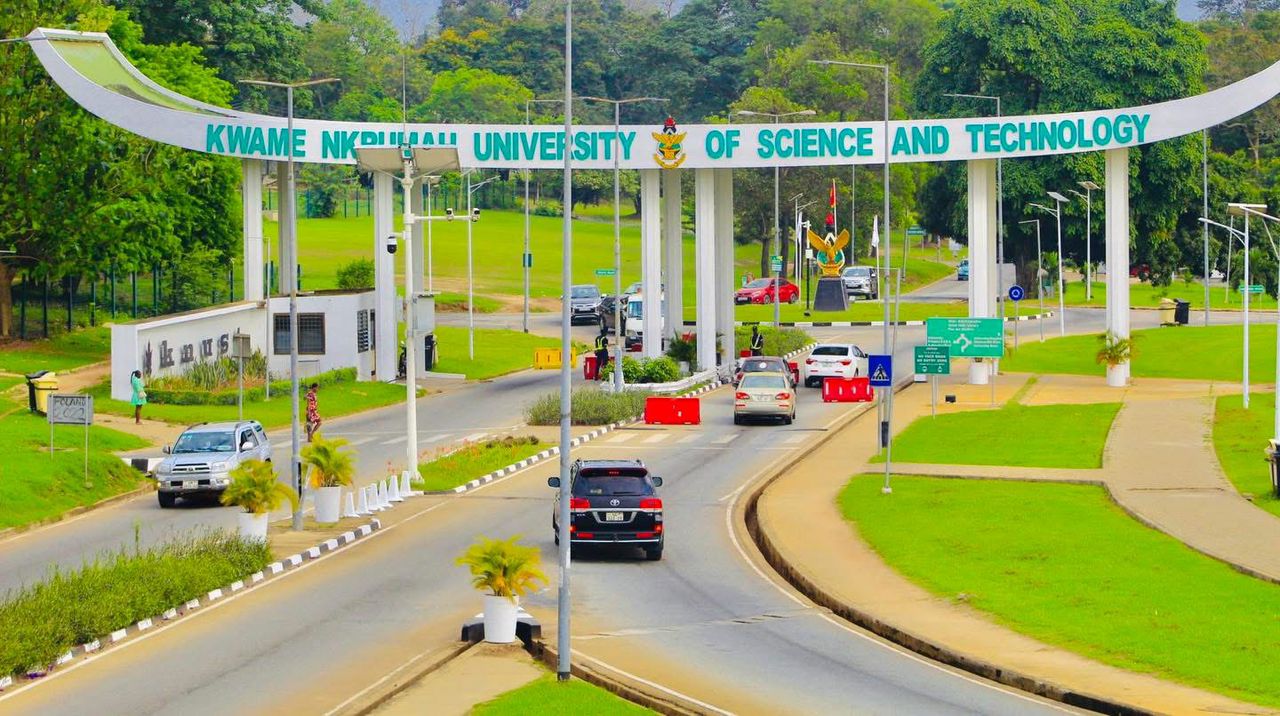
KNUST’s campus environment experiences high traffic volumes, particularly around the Ayeduase junction. The crash amplified congestion, disrupting academic schedules and commuter flow. Campus authorities responded by clearing the wreckage, but the episode underscores the need for coordinated traffic management between university and law‑enforcement agencies.
University safety officials have indicated plans to review emergency response procedures and to engage with police to ensure that future transports comply with road safety standards. The incident also prompted discussions among student bodies about the visibility of drug‑related enforcement on campus.
Looking Ahead
Police departments are expected to conduct a formal inquiry into the cause of the collision, focusing on driver conduct and adherence to traffic regulations. Outcomes may shape revised guidelines for transporting detainees in high‑traffic zones.
University administrators are likely to strengthen collaboration with local law enforcement to mitigate similar risks, balancing enforcement objectives with the safety of students, staff, and the broader community.




0 Comments
Leave a Comment
No comments yet. Be the first to share your thoughts!