
Key Takeaways
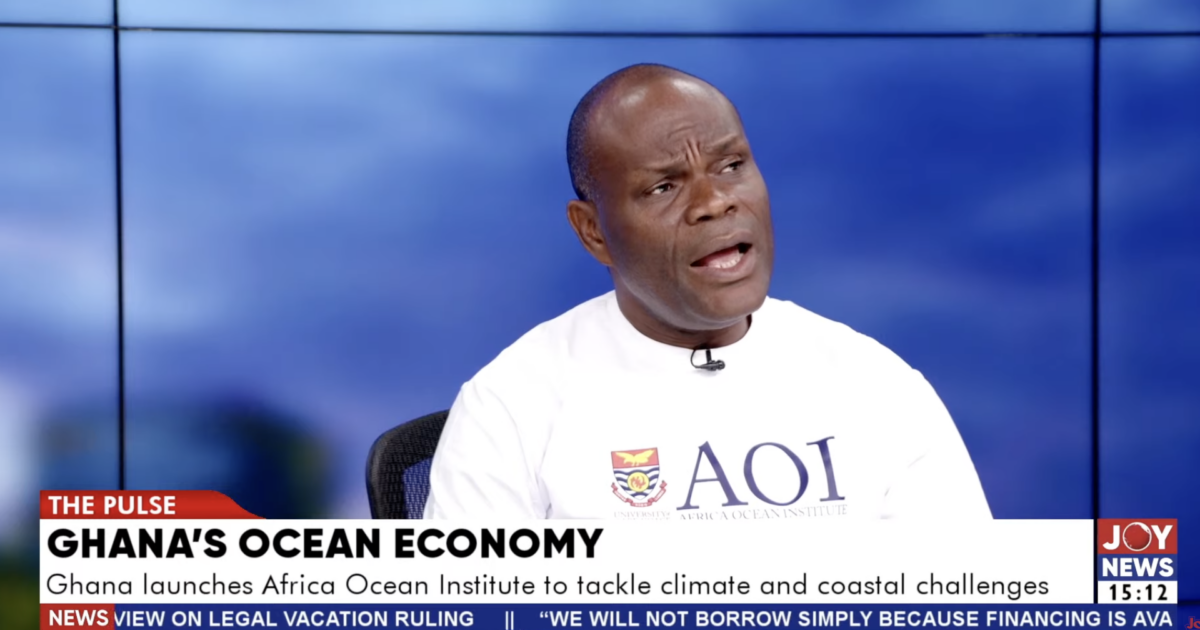
- UCC inaugurates the Africa Ocean Institute to coordinate coastal and marine research across the continent.
- The Institute builds on a World Bank‑funded Centre for Coastal Management that became a Centre of Excellence in 2019.
- Its mandate includes postgraduate training, capacity building and policy‑relevant research for African coastal nations.
- Approval was secured from UCC’s Academic Board and the Ghana Tertiary Education Commission.
The University of Cape Coast has formalised a continent‑wide platform dedicated to oceanic science, policy and human capacity. The Africa Ocean Institute emerges as a response to accelerating demographic pressure on Africa’s coastlines and the intensifying impacts of climate change.
Acting Executive Director Prof. Precious Mattah highlighted that the Institute will extend the university’s coastal expertise beyond Ghana, offering specialised postgraduate programmes and collaborative research to address degradation, pollution and resource competition along Africa’s shores.
Background & Context
African coastal populations have risen sharply in the past two decades, intensifying extraction of fisheries, sand and freshwater while amplifying waste discharge into marine environments. Simultaneously, rising sea levels, altered precipitation patterns and increased storm intensity have eroded habitats and threatened livelihoods.
UCC’s Centre for Coastal Management, established years earlier, responded to national concerns by conducting shoreline erosion studies and community‑based adaptation pilots. Recognition as a World Bank Centre of Excellence in 2019 expanded its remit, inviting scholars from across the continent to engage in postgraduate training and joint research.
Institute Mandate and Programs
The Africa Ocean Institute inherits the Centre’s dual focus on education and inquiry. It will deliver master's and doctoral pathways that integrate oceanography, marine policy, sustainable fisheries and climate resilience. Scholarships target students from under‑represented coastal states to foster a pan‑African cadre of experts.
Research agendas are anchored in three pillars: ecosystem health assessment, climate‑driven risk modelling, and governance frameworks for sustainable resource use. Collaborative grants with regional bodies and international NGOs are earmarked to translate findings into actionable policy briefs for national governments.
Regional Significance and Challenges
Many African nations lack dedicated marine science institutions, leaving gaps in data collection and adaptive capacity. By centralising expertise, the Institute aims to standardise monitoring protocols, facilitate cross‑border data sharing and support the development of continental early‑warning systems for coastal hazards.
Persistent challenges include limited funding streams, uneven institutional readiness among partner countries, and the need to harmonise divergent legal regimes governing maritime zones. The Institute’s strategy incorporates capacity‑building workshops for policymakers and technical staff to bridge these gaps.
Looking Ahead
In the next five years, the Africa Ocean Institute plans to host an annual African Ocean Summit, publish a peer‑reviewed journal on coastal science, and establish satellite laboratories in at least three additional coastal universities. Success metrics will track graduate output, research citations and the adoption of Institute‑generated guidelines by national ministries.
Continued endorsement from the Ghana Tertiary Education Commission and sustained engagement with the World Bank and regional development agencies will be pivotal to scaling the Institute’s impact across the continent.




0 Comments
Leave a Comment
No comments yet. Be the first to share your thoughts!