
Key Takeaways
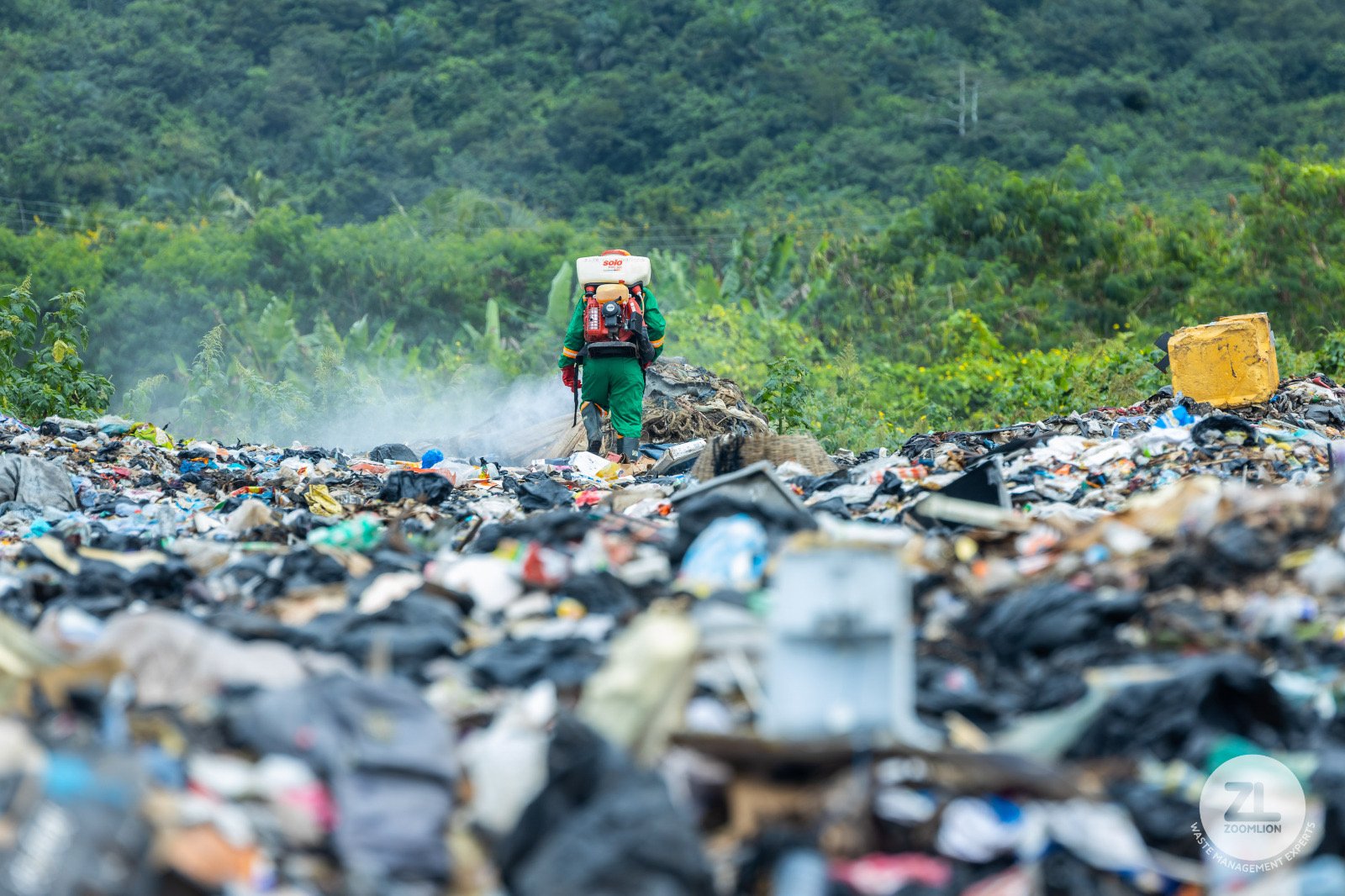
- Zoomlion began an eight‑day disinfection and disinfestation operation on 20 August 2026.
- The effort targets public facilities in 22 assemblies across Ghana's Central Region.
- Officials stress the exercise as essential for reducing disease risk after recent flooding.
Zoomlion Company Limited started a coordinated sanitation campaign on Thursday, 20 August 2026, covering selected public venues in 22 Metropolitan, Municipal and District Assemblies (MMDAs) of the Central Region. The eight‑day schedule follows severe flooding that displaced thousands and compromised water and waste infrastructure.
Central Regional Manager Noah Addo Opey briefed the media, highlighting the health rationale behind the operation and urging community cooperation. The company’s mandate includes supporting public‑health interventions, especially in disaster‑affected zones.
Background & Context
The August floods inundated low‑lying districts, contaminating drainage systems and increasing exposure to water‑borne pathogens. Historical data from Ghana’s Ministry of Health show spikes in diarrheal disease and vector‑borne infections after similar events. Prompt sanitation measures are recognized as a critical line of defense.
Zoomlion, Ghana’s leading waste‑management firm, has a statutory role in municipal cleaning and emergency response. Its partnership with local authorities aligns with national disaster‑management protocols that prioritize rapid decontamination of schools, health centres and market complexes.
Operation Details
Teams equipped with EPA‑approved disinfectants and pest‑control agents are rotating through schools, clinics, public transport hubs and market stalls. Each site receives a minimum of two treatment cycles to ensure residual efficacy. Logistical coordination involves local assembly officials, traditional leaders and community volunteers.
Safety monitoring includes pre‑ and post‑treatment microbial sampling. Data will be reported to the Central Region Health Directorate, enabling real‑time assessment of infection‑risk reduction. The eight‑day timeline balances thorough coverage with the urgency of restoring normalcy.
Public Health Implications
Effective disinfection curtails the proliferation of pathogens such as Escherichia coli, Vibrio cholerae and Aedes mosquito larvae, which thrive in stagnant floodwater. By targeting high‑traffic public spaces, the initiative aims to lower the basic reproduction number (R0) for potential outbreaks.
Health experts note that combined efforts—environmental sanitation, safe water provision and public education—produce synergistic benefits. The current operation complements ongoing water‑treatment campaigns and vaccination drives in the region.
Looking Ahead
Zoomlion plans to hand over maintenance protocols to local sanitation committees after the eight‑day window, ensuring sustained hygiene standards. Continued monitoring will inform future disaster‑response frameworks, potentially expanding the model to other flood‑prone regions.
Stakeholders anticipate that the coordinated effort will set a benchmark for public‑health‑oriented disaster recovery, reinforcing the Central Region’s resilience against future climatic shocks.





0 Comments
Leave a Comment
No comments yet. Be the first to share your thoughts!