
Key Takeaways
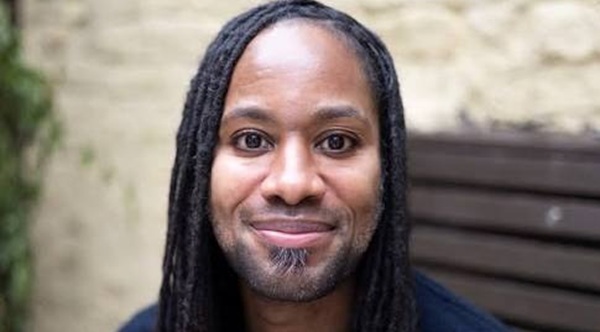
- Jason Arday, a British-born son of Ghanaian parents, has died at 41.
- He was the youngest Black professor in the history of the University of Cambridge.
- Arday's death came days after he resigned from the university amid allegations of plagiarism.
- He had just released his memoir, Great and Unfortunate Things.
Jason Arday, a British-born son of Ghanaian parents who made history as the youngest Black professor in the University of Cambridge, has died at 41. His death was announced on August 14, 2026, and has sparked tributes from Cambridge and renewed discussion about his career, the scrutiny he faced, and his contribution to debates on race, education, and inequality.
Arday's life and career have attracted international attention, with many seeking to understand the complexities of his experiences. Born in Clapham, south London, to parents who had migrated from Ghana, Arday grew up as one of four brothers on a council estate. His father worked as a chef, while his mother was a mental health nurse.
Background & Context
Arday's educational journey was marked by significant challenges. He was diagnosed with autism and global developmental delay at three years old and was non-verbal for much of his childhood. He communicated using sign language before beginning to speak at about 11. His early assessments led some professionals to believe that he would require lifelong support, but he went on to pursue higher education and an academic career.
Arday's route into academia was unconventional. He studied Education Studies and Physical Education before completing further postgraduate studies, earning a PhD in Education from Liverpool John Moores University. His academic qualifications also included a master's degree in Education and Pedagogy.
Key Findings
Arday's academic career came under intense scrutiny in 2026, with allegations of plagiarism in some of his work. Reports examined passages in his 2015 doctoral thesis and other publications. Arday denied deliberately plagiarising material but acknowledged what he described as previous scholarly "mistakes." The University of Cambridge subsequently announced an investigation after receiving new information concerning his academic qualifications and honorary appointments.
Arday resigned from Cambridge shortly before his death, citing the controversy and public scrutiny as having taken a profound toll on him and those close to him. His departure came less than two weeks before his death.
Broader Implications
Arday's death has sparked renewed discussion about his contribution to debates on race, education, and inequality. His work focused particularly on these areas, and he used his platform to campaign for greater representation of Black and minority ethnic people in higher education and for wider access to universities for disadvantaged groups.
The controversy surrounding Arday's career raises important questions about the scrutiny faced by academics and the impact of public attention on their lives. It also highlights the complexities of navigating multiple identities and the challenges faced by individuals with autism and neurodiversity in academic settings.
Looking Ahead
The investigation into Arday's academic qualifications and honorary appointments will likely continue in the coming weeks. The University of Cambridge has announced its intention to review its procedures for handling allegations of misconduct and ensuring the integrity of its academic work.
Arday's legacy will continue to be felt in the academic community, and his work will likely remain an important contribution to debates on race, education, and inequality. His story serves as a reminder of the complexities and challenges faced by individuals with autism and neurodiversity in academic settings and highlights the need for greater support and understanding.





0 Comments
Leave a Comment
No comments yet. Be the first to share your thoughts!