

Key Takeaways
- The Accra High Court adjourned Salomey Baffoe’s bail hearing to September 24 after the prosecution requested additional time.
- Lead counsel Nana Agyei Baffour Awuah, also MP for Manhyia South, was summoned by the Economic and Organised Crime Office (EOCO) during the hearing.
- Footage captured Awuah pushing an EOCO official who had blocked his vehicle, escalating the tension in the courtroom precinct.
- The case centers on an alleged abetment of crime for spreading false news through the "Ghana Jollof" TikTok account.
Salomey Baffoe appeared before the Accra High Court on a charge of abetment of crime linked to the distribution of false information via a popular TikTok channel. The bail application, which attracted national attention, was interrupted by an unexpected development involving the Economic and Organised Crime Office.
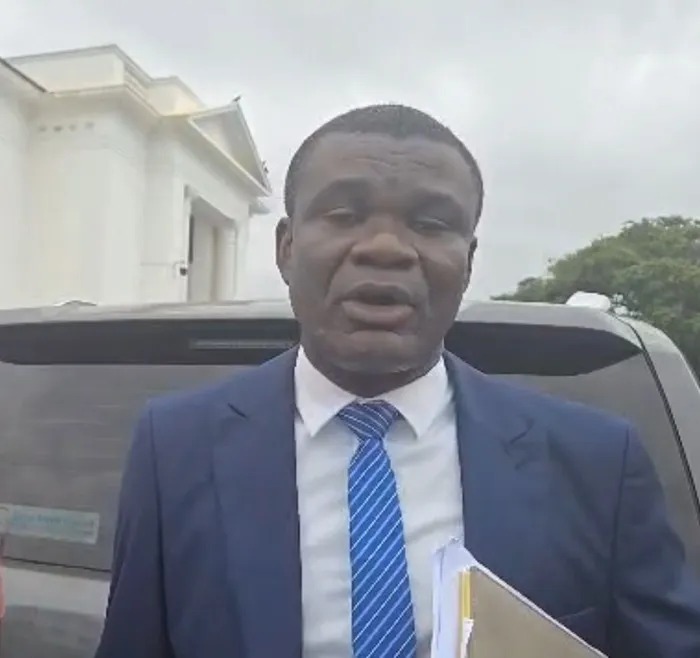
Lawyer‑politician Nana Agyei Baffour Awuah, who has represented Ms Baffoe since her arrest, found his movements obstructed by an EOCO official, leading to a physical confrontation captured on video and prompting further procedural delays.
Background & Context
The "Ghana Jollof" TikTok account has become a focal point in a broader debate over misinformation and digital regulation in Ghana. Authorities allege that the account disseminated fabricated narratives that could influence public opinion, prompting the police to pursue charges of false news publication.
Salomey Baffoe, identified by prosecutors as an assistant to the account’s operator Barbara Asantewaa Kodua, denies any wrongdoing. The legal framework governing abetment of crime in Ghana requires proof of intentional participation, a threshold that the defence argues has not been met.
Political observers note that the involvement of an elected MP as lead counsel adds a layer of complexity, intersecting the judiciary with parliamentary representation and raising questions about the separation of powers.
Court Proceedings
During the initial hearing, the prosecution sought additional time to file a response to the bail application, citing the need to examine the evidentiary basis of the false‑news allegation. The court granted the adjournment, setting a new deadline of 9:00 a.m. on September 24 for the prosecution’s submission.
Defence counsel argued that any delay directly impacted Ms Baffoe’s liberty, urging the bench to prioritize a swift resolution. The judge balanced these concerns against procedural fairness, reinforcing the court’s duty to ensure a complete record before deciding on bail.
The adjournment underscores the procedural intricacies of Ghanaian criminal law, where bail decisions hinge on both the severity of the alleged offense and the readiness of the prosecution to present a coherent case.
EOCO Intervention
The Economic and Organised Crime Office, tasked with investigating complex financial and organized‑crime matters, reportedly invited Awuah for questioning. The precise motive for the invitation remains undisclosed, fueling speculation about whether the inquiry pertains to the alleged false‑news scheme or a separate investigation.
Video evidence released by Adomonline.com shows Awuah confronting a woman identified as an EOCO official who blocked his car. The lawyer’s forceful response, captured on camera, amplified public confusion and raised concerns about the conduct of law‑enforcement officials at a judicial venue.
Legal analysts caution that any perceived intimidation of counsel could erode confidence in the judicial process. They recommend transparent communication from EOCO to clarify the purpose of the summons and to mitigate allegations of overreach.
Looking Ahead
The forthcoming hearing on September 24 will determine whether the prosecution’s response satisfies the court’s evidentiary standards and whether bail can be granted. The outcome may set a precedent for how digital misinformation cases are prosecuted in Ghana.
Stakeholders, including media watchdogs and civil‑society groups, will likely monitor the proceedings for signs of judicial independence and the balance between security concerns and freedom of expression.



0 Comments
Leave a Comment
No comments yet. Be the first to share your thoughts!